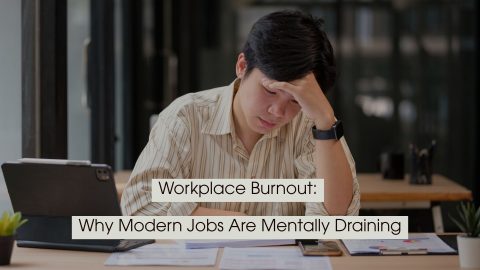
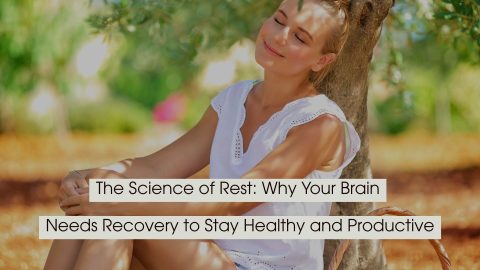
You, as a leader, are constantly juggling multiple responsibilities, navigating challenges, and making critical decisions. This high-pressure environment can lead to stress, which can negatively impact your well-being and performance. It’s crucial for stressed leaders to prioritize their mental and physical health by incorporating relaxation techniques into their routine. By practicing these 7 proven methods, you can effectively manage your stress levels and stay balanced amidst the chaos of leadership.
Key Takeaways:
- Deep breathing: Implement diaphragmatic breathing techniques to reduce stress and promote relaxation.
- Mindfulness meditation: Practice being present in the moment to calm your mind and improve overall well-being.
- Physical exercise: Engage in regular physical activity to release endorphins and reduce tension, helping you stay balanced as a leader.
Deep Breathing Exercises: The Foundation of Relaxation
Understanding the Basics of Deep Breathing
Little do most people know that proper breathing techniques can be the key to unlocking a calm and balanced state of mind. Deep breathing exercises involve taking slow, deep breaths from the diaphragm, which promotes relaxation by activating the body’s parasympathetic nervous system. By focusing on your breath and slowing down your respiratory rate, you can effectively reduce stress and anxiety levels.
Incorporating Breathing Techniques into Daily Routine
Deep breathing exercises should not be reserved for moments of extreme stress but integrated into your daily routine to prevent burnout and maintain a sense of balance. To start, allocate a few minutes in the morning or before bed to practice deep breathing. Consistency is key to reaping the full benefits, so aim to incorporate deep breathing exercises into your schedule at least once or twice a day. Whether it’s during your commute, a work break, or before a crucial meeting, find moments throughout the day to pause and focus on your breath.
Mindfulness and Meditation Skills
Defining Mindfulness in Leadership
Meditation is a practice that involves focusing your mind on a particular object, thought, or activity to train attention and awareness, and achieve a mentally clear and emotionally calm and stable state. In leadership, mindfulness is the ability to be fully present in the moment, aware of yourself and your surroundings, without getting overwhelmed or reactive.
Step-by-Step Guide to Meditation for Busy Leaders
StepbyStep
| 1 | Find a quiet and comfortable space to sit. |
| 2 | Closing your eyes, take a few deep breaths to relax. |
| 3 | Focus on your breath and let go of any distracting thoughts. |
| 4 | Continue to breathe deeply and stay in the present moment. |
Another way to practice mindfulness and meditation is through guided meditation sessions. These can be found online or through apps that provide instructions and support. Consistency is key to reaping the benefits of meditation, as even a few minutes a day can make a significant impact on your overall well-being. Recall, consistency and dedication are crucial in developing a successful meditation practice as a busy leader.
Progressive Muscle Relaxation (PMR)
The Science of PMR and Stress Relief
With the constant demands and pressures of leadership roles, stress can easily take its toll on even the most seasoned leaders. Progressive Muscle Relaxation (PMR) is a proven technique that can help alleviate this stress by systematically tensing and then relaxing muscle groups in the body.
A Leader’s Guide to Implementing PMR Techniques
Muscle tension is a common physical manifestation of stress, which can lead to more serious health issues if not properly managed. Progressive Muscle Relaxation (PMR) offers leaders a practical and effective way to address both the physical and mental aspects of stress. By incorporating PMR into their daily routine, leaders can experience reduced muscle tension, improved sleep, and a greater sense of overall well-being.
Progressive Muscle Relaxation involves tensing specific muscle groups in the body for a few seconds and then releasing the tension, allowing the muscles to relax fully. This technique is often practiced sequentially, moving from one muscle group to the next, and can be done in as little as 10-15 minutes a day. Leaders who regularly practice PMR may notice decreased levels of anxiety, improved concentration, and a greater ability to handle stressful situations with calm and clarity.
Guided Imagery for Strategic Calm
Principles of Effective Guided Imagery
Not all guided imagery is created equal. Any effective guided imagery practice for stress relief should follow a few key principles. First, it should be immersive, engaging all the senses to create a vivid mental experience. Additionally, it should be tailored to the individual’s preferences and needs, allowing for a deeper level of relaxation and connection.
Tailoring Imagery to Leadership Challenges
One effective way to use guided imagery for stressed leaders is to tailor the visualization to specific leadership challenges they may be facing. By incorporating specific scenarios or environments relevant to their roles, leaders can practice responding calmly and effectively in high-pressure situations. This tailored approach can help them build confidence and resilience in their leadership roles.
Physical Exercise as a Stress Reliever
Choosing the Right Type of Exercise for Stress Management
Your hectic schedule as a leader can take a toll on your physical and mental well-being. Concerning choosing the right type of exercise for stress management, consider activities that you enjoy and that fit into your daily routine. Whether it’s going for a run, practicing yoga, or hitting the gym, finding a form of physical activity that you look forward to can make a world of difference in managing stress.
Balancing a Leader’s Schedule with Regular Physical Activity
Right alongside your work responsibilities, making time for regular physical activity is crucial for maintaining a healthy work-life balance. Committing to a consistent exercise routine not only helps reduce stress levels but also boosts your energy and productivity. Schedule your workouts like you would any other important meeting, making them a priority in your day. With the right balance of work and exercise, you’ll find yourself more focused, resilient, and able to handle the challenges of leadership.
Regular physical activity has numerous benefits for stressed leaders, including improved mood, reduced anxiety, and better sleep quality. By incorporating exercise into your routine, you are investing in your overall health and well-being, which in turn enhances your ability to lead effectively.
Time Management and Delegation
Tools and Techniques for Efficient Time Management
Now, let’s research into some imperative tools and techniques for efficient time management. To maintain a balanced schedule and stay on top of your responsibilities, consider using tools such as calendars, to-do lists, and project management software. Effective time management also involves setting priorities, breaking tasks into smaller manageable chunks, and practicing the Pomodoro Technique for improved focus and productivity.
The Art of Delegation: Reducing Stress and Empowering Teams
Teams, delegation is a critical skill for leaders looking to reduce stress and empower their teams. By delegating tasks to capable team members, you not only free up your own time to focus on high-priority tasks but also foster a sense of trust and confidence within your team. Effective delegation involves assigning tasks based on team members’ strengths, providing clear instructions, and setting realistic deadlines to ensure successful outcomes.
Management of time is imperative for leaders to stay productive and focused. By utilizing tools such as calendars and to-do lists, and mastering the art of delegation, leaders can effectively reduce their stress levels and empower their teams to achieve better results. It is crucial to prioritize tasks, communicate effectively, and trust your team members to handle delegated tasks successfully.
Yoga and Tai Chi: Integrating Body and Mind
Many leaders find solace in the ancient practices of yoga and Tai Chi to nurture their well-being and maintain balance in their hectic lives. These mind-body disciplines offer a sanctuary for stressed leaders to center themselves and find inner peace amidst the chaos of leadership responsibilities.
Yoga for Enhanced Mental Clarity and Stress Reduction
Mental clarity and stress reduction are two key benefits that yoga brings to stressed leaders. Through a combination of physical postures, controlled breathing, and meditation, yoga helps to calm the mind, reduce stress levels, and enhance mental clarity. By practicing yoga regularly, leaders can improve their focus, decision-making abilities, and overall well-being in the face of daily challenges.
The Benefits of Tai Chi for Leadership Resilience
Leadership resilience can be greatly enhanced through the practice of Tai Chi. This gentle martial art focuses on slow, flowing movements that promote relaxation, balance, and mindfulness. Tai Chi helps leaders build resilience by nurturing physical strength, mental clarity, and emotional stability. By incorporating Tai Chi into their routine, leaders can increase their adaptive capacity and better cope with the demands of leadership roles.
Stress accumulates in leaders due to the high-pressure nature of their roles, leading to burnout, anxiety, and decreased productivity. By engaging in yoga and Tai Chi practices, leaders can effectively mitigate stress levels and prevent the negative impact on their mental and physical well-being. These ancient disciplines offer a holistic approach to stress management and help leaders cultivate a sense of balance, focus, and resilience in their leadership journey.
Summing up
To wrap up, incorporating relaxation techniques into your daily routine is important for stressed leaders to stay balanced and maintain their overall well-being. By practicing techniques such as deep breathing, mindfulness meditation, and progressive muscle relaxation, leaders can reduce stress levels, improve focus, and enhance decision-making abilities. It is crucial for leaders to prioritize self-care and make time for these practices to ensure they can continue to lead effectively and with clarity. Bear in mind, taking care of yourself is not a luxury, it is a necessity for success in leadership roles.
FAQ
Q: Why is it important for stressed leaders to stay balanced?
A: It is important for stressed leaders to stay balanced because maintaining balance allows for better decision-making, improved focus, increased productivity, and overall well-being. Leaders who are balanced are better equipped to handle challenges and lead their teams effectively.
Q: What are some relaxation techniques that stressed leaders can use?
A: Stressed leaders can use various relaxation techniques to stay balanced, such as deep breathing exercises, mindfulness meditation, progressive muscle relaxation, yoga, taking short breaks throughout the day, going for a walk, and practicing gratitude. These techniques can help reduce stress, improve mental clarity, and promote overall relaxation.
Q: How can stressed leaders incorporate relaxation techniques into their daily routine?
A: Stressed leaders can incorporate relaxation techniques into their daily routine by setting aside dedicated time for these practices, such as starting the day with a short meditation session, taking a few minutes to practice deep breathing before important meetings, or ending the day with a relaxing yoga session. It is important for leaders to prioritize self-care and make these relaxation techniques a regular part of their daily schedule.