Table of Contents
- What is Imposter Syndrome? | Kati Morton
- What Is Imposter Syndrome in Leadership?
- Why Imposter Syndrome Is So Common Among Leaders
- How Imposter Syndrome Shows Up in Leadership
- The Psychology Behind Feeling Like an Imposter as a Leader
- Why Success Can Feel Uncomfortable for Leaders
- How to Manage Imposter Syndrome in Leadership
- When Imposter Syndrome Becomes a Leadership Risk
- When to Seek Support
- Conclusion: Leadership Growth Often Feels Uncomfortable
- Sources & Further Reading
- About the Author
- Book a Free Consultation
Leadership is often associated with confidence, decisiveness, and authority, but behind the scenes, many leaders struggle with imposter syndrome. As responsibilities grow and visibility increases, success can begin to feel uncomfortable rather than affirming. Instead of confidence, leaders may experience self-doubt, anxiety, and the persistent fear of being “found out.”
Imposter syndrome in leadership is more common than most people realize. Understanding why it happens and how to navigate it, can help leaders step fully into their role with clarity, confidence, and emotional resilience.
What is Imposter Syndrome? | Kati Morton

What Is Imposter Syndrome in Leadership?
Imposter syndrome in leadership is the internal belief that you are not truly qualified to lead, despite evidence of competence, experience, and achievement. Leaders experiencing imposter syndrome often attribute success to luck, timing, or external support rather than their own ability.
Common thoughts include:
- “I’m not as capable as others think.”
- “I don’t deserve this role.”
- “Eventually, people will realize I’m not ready.”
- “Other leaders are more confident and competent than me.”
These thoughts can quietly undermine leadership presence and decision-making.
Why Imposter Syndrome Is So Common Among Leaders
Increased Visibility and Scrutiny
Leadership places you under constant observation. Decisions, communication style, and outcomes are often evaluated by teams, stakeholders, or the public, heightening fear of mistakes.
Rapid Growth Outpacing Identity
Many leaders grow faster than their self-concept can keep up. When responsibilities expand quickly, internal confidence may lag behind external success.
High Responsibility and Pressure
Leaders are responsible not only for outcomes, but also for people. This pressure amplifies fear of failure and reinforces self-doubt.
Perfectionism and High Standards
Many leaders are high achievers. The same drive that leads to success can also fuel unrealistic expectations and self-criticism.
Comparing Yourself to Other Leaders
Social media, professional networks, and corporate culture often showcase polished leadership personas, making it easy to compare yourself to unrealistic standards.
How Imposter Syndrome Shows Up in Leadership
Imposter syndrome doesn’t always look like insecurity. In leadership, it often appears as behavior patterns, such as:
- Overpreparing or overworking to “prove” competence
- Difficulty delegating tasks
- Avoiding visibility or speaking opportunities
- Second-guessing decisions excessively
- Struggling to accept praise or recognition
- Fear of making mistakes or taking bold action
- Emotional exhaustion or burnout
Left unaddressed, these patterns can limit leadership effectiveness and well-being.
The Psychology Behind Feeling Like an Imposter as a Leader
Imposter syndrome is rooted in cognitive distortions, patterns of thinking that misinterpret reality. When leadership places you in unfamiliar territory, the brain perceives uncertainty as threat.
The nervous system doesn’t distinguish between:
- A physical danger
- The emotional threat of judgment or failure
As a result, stress hormones increase, anxiety rises, and self-doubt intensifies, especially during moments of success or visibility.
Why Success Can Feel Uncomfortable for Leaders
For many leaders, success challenges long-held beliefs about worth, identity, or capability. If your self-image hasn’t expanded to match your role, achievement can feel undeserved or unsafe.
This discomfort doesn’t mean you’re failing, it means your identity is being stretched.
How to Manage Imposter Syndrome in Leadership
1. Redefine What Leadership Confidence Means
Leadership confidence is not certainty, it’s trust in your ability to adapt, learn, and lead through uncertainty. No leader has all the answers.
2. Separate Competence from Perfection
Mistakes do not disqualify you from leadership. They are part of decision-making, growth, and experience.
3. Track Evidence of Leadership Impact
Keep a record of:
- Team wins
- Positive feedback
- Challenges you’ve handled
- Growth milestones
Reviewing evidence counters distorted thinking.
4. Normalize the Experience
Many respected leaders experience imposter syndrome, especially during promotions, transitions, or scaling. Feeling uncomfortable often means you’re growing.
5. Build Support, Not Isolation
Mentors, coaches, and peer networks help leaders gain perspective and reduce internalized pressure.
6. Practice Self-Compassion
Self-criticism weakens leadership presence. Self-compassion strengthens resilience, clarity, and emotional regulation.
When Imposter Syndrome Becomes a Leadership Risk
Unchecked imposter syndrome can lead to:
- Burnout
- Avoidance of difficult decisions
- Poor delegation
- Reduced innovation
- Emotional exhaustion
Addressing it early protects both leadership effectiveness and mental health.
When to Seek Support
If imposter syndrome affects sleep, confidence, emotional well-being, or leadership performance, professional support can help. Leadership coaching or therapy provides tools to reframe beliefs, regulate stress, and build sustainable confidence.
Conclusion: Leadership Growth Often Feels Uncomfortable
Imposter syndrome in leadership doesn’t mean you’re unqualified, it means you’re evolving. Growth stretches identity before confidence catches up.
You don’t need to feel ready to lead effectively.
You don’t need to eliminate doubt to move forward.
You need self-trust, awareness, and support.
Leadership isn’t about being flawless, it’s about being grounded, adaptable, and human.
And that’s exactly what strong leadership looks like.
Sources & Further Reading
Imposter Syndrome & Psychology
- American Psychological Association (APA) – Impostor Phenomenon
https://www.apa.org/monitor/nov01/imposter
Foundational overview of imposter syndrome, its origins, and psychological impact. - Psychology Today – Imposter Syndrome
https://www.psychologytoday.com/us/basics/imposter-syndrome
Explains how imposter thoughts affect confidence, identity, and performance. - Verywell Mind – What Is Imposter Syndrome?
https://www.verywellmind.com/what-is-imposter-syndrome-2795042
Practical explanation of symptoms, causes, and coping strategies.
Leadership, Confidence & High Achievers
- Harvard Business Review – How to Overcome Imposter Syndrome
https://hbr.org/2020/02/stop-telling-women-they-have-imposter-syndrome
Research-based insights on imposter syndrome in leadership and professional environments. - Harvard Business Review – Why Leaders Struggle With Self-Doubt
https://hbr.org/2019/03/the-power-of-self-doubt
Discusses how self-doubt can coexist with effective leadership when managed well. - Forbes – Why Even Successful Leaders Experience Imposter Syndrome
https://www.forbes.com/sites/forbescoachescouncil/2021/02/08/why-even-successful-leaders-can-suffer-from-imposter-syndrome/
Explores imposter syndrome among executives, founders, and managers.
About the Author
David A. Caren is the creator of Emotional Optimization™ – helping high-performing professionals rewire emotional patterns for clarity, calm, and success.
Book a Free Consultation
What is imposter syndrome in leadership?
Imposter syndrome in leadership is the persistent belief that you are not truly qualified to lead, despite experience, achievements, and external validation. Leaders with imposter syndrome often fear being exposed as incompetent or undeserving of their role.
Why do successful leaders experience imposter syndrome?
Successful leaders often face increased visibility, responsibility, and pressure. Rapid growth, high expectations, and constant evaluation can trigger self-doubt, even when leaders are performing well.
Is imposter syndrome a sign of poor leadership?
No. Imposter syndrome is not a reflection of leadership ability. In fact, it often appears in thoughtful, high-performing leaders who care deeply about their impact and responsibilities.
How does imposter syndrome affect leadership performance?
Imposter syndrome can lead to overworking, difficulty delegating, decision paralysis, avoidance of visibility, and emotional exhaustion. Over time, these behaviors can limit leadership effectiveness and team growth.
Can imposter syndrome impact team culture?
Yes. When leaders struggle internally, it may affect communication, confidence, and trust within the team. Addressing imposter syndrome helps leaders show up more authentically and decisively.
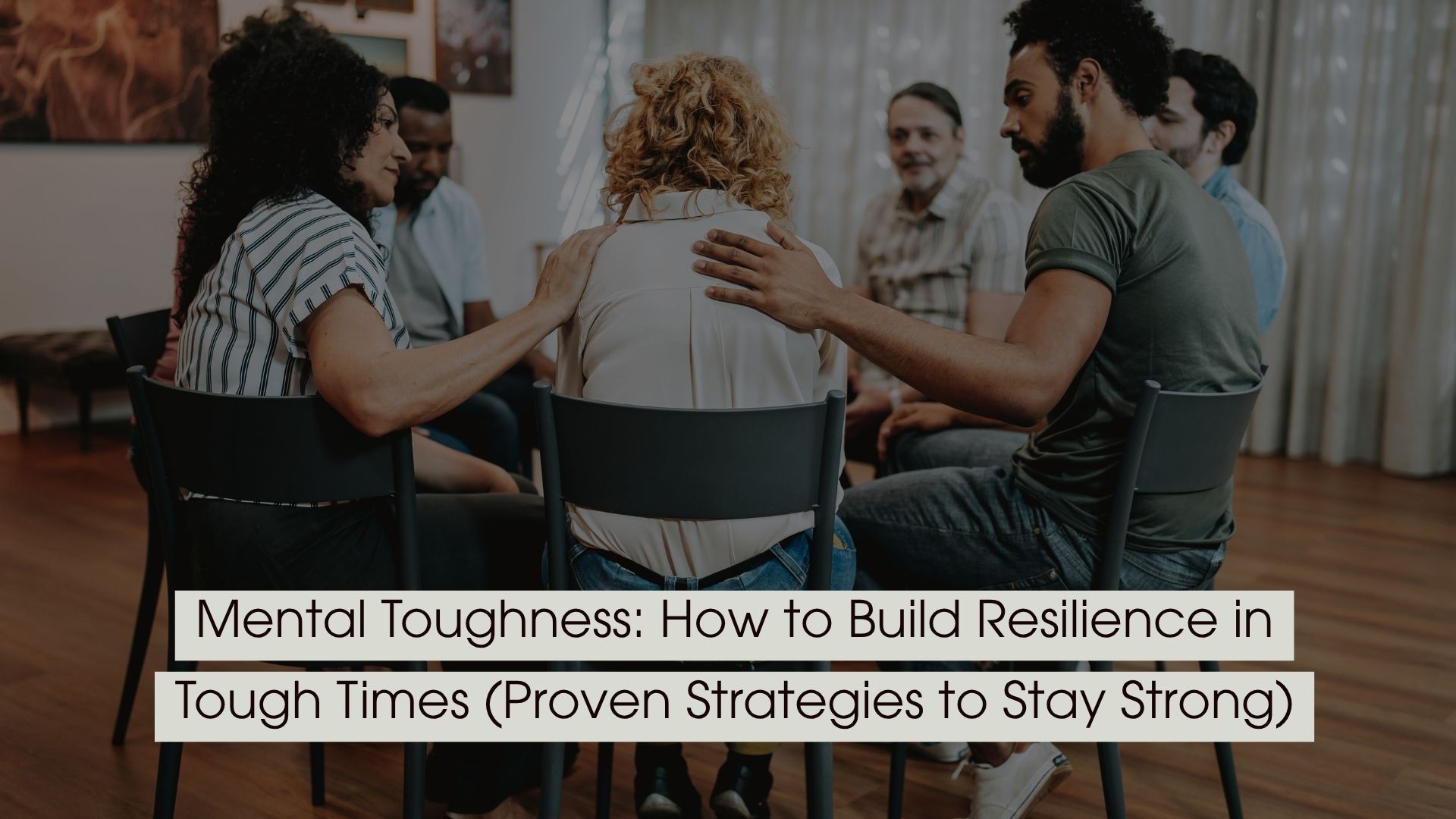
Mental Toughness: How to Build Resilience in Tough Times (Proven Strategies to Stay Strong)
Mental toughness is the ability to stay strong and resilient during difficult times. By building discipline, managing thoughts, and taking…


How to Stay Motivated Even When You Feel Like Giving Up (Proven Strategies That Work)
Staying motivated when you feel like giving up requires persistence, small actions, and a strong mindset. By focusing on progress…

How to Train Your Brain for Discipline and Focus (Science-Backed Strategies That Work)
Training your brain for discipline and focus requires consistent practice, strong habits, and the right environment. By building routines and…

The Power of Consistency: Why Small Actions Matter More Than Big Efforts
Consistency is the key to long-term success. Small actions repeated daily may seem insignificant, but over time, they create powerful…

Why Discipline Beats Motivation Every Time (The Real Key to Long-Term Success)
Discipline beats motivation because it creates consistency. While motivation fades, discipline ensures daily action, helping individuals build habits, stay productive,…

Atomic Habits Explained: Small Changes That Lead to Big Results (A Complete Guide to Lasting Change)
Atomic Habits shows that small, consistent actions can lead to significant long-term results. By focusing on simple habits and applying…