Table of Contents
- How to Improve Yourself Right NOW (and Why) – Prof. Jordan Peterson
- What Is Emotional Optimization?
- Why Emotional Optimization Matters in Personal Development
- Emotional Optimization vs Emotional Suppression
- How Emotional Optimization Supports Personal Growth
- Emotional Optimization and Self-Awareness
- Emotional Optimization and Decision-Making
- Emotional Optimization for Stress and Burnout Prevention
- Practical Ways to Use Emotional Optimization Daily
- Emotional Optimization and Long-Term Transformation
- Final Thoughts
- Sources & Further Reading
- About the Author
- Book a Free Consultation
- What is emotional optimization in personal development?
- How is emotional optimization different from emotional regulation?
- Why is emotional optimization important for personal growth?
- Can emotional optimization help with stress and burnout?
- Does emotional optimization mean suppressing emotions?
- How do I start practicing emotional optimization daily?
Personal development isn’t just about changing habits, setting goals, or thinking positively. True growth happens when you learn how to work with your emotions rather than fighting, suppressing, or ignoring them. This is where emotional optimization becomes one of the most powerful personal development tools available today.
Emotional optimization focuses on understanding, processing, and intentionally guiding your emotional responses so they support your growth instead of sabotaging it. Rather than trying to “fix” emotions, this approach helps you build emotional awareness, resilience, and self-leadership, creating change that lasts.
How to Improve Yourself Right NOW (and Why) – Prof. Jordan Peterson
What Is Emotional Optimization?
Emotional optimization is the practice of recognizing emotional patterns, understanding their underlying triggers, and consciously responding in ways that align with your values and goals. Unlike emotional suppression or forced positivity, emotional optimization acknowledges emotions as valuable signals rather than obstacles.
In personal development, emotional optimization allows you to observe what you feel without being controlled by it. This helps you make decisions from clarity rather than fear, respond instead of react, and grow without burning out.
Why Emotional Optimization Matters in Personal Development
Many people struggle with personal development because they focus only on behavior change or mindset shifts while ignoring emotional drivers. Emotions influence motivation, confidence, self-trust, boundaries, and consistency. When emotions are unmanaged, they quietly derail progress.
Emotional optimization bridges the gap between awareness and action. By learning how emotions affect your thoughts and behaviors, you gain the ability to move forward even when discomfort, doubt, or fear arise. This makes growth feel more sustainable and less exhausting.
Emotional Optimization vs Emotional Suppression
A common misconception is that emotional optimization means controlling or eliminating emotions. In reality, suppression often leads to emotional buildup, burnout, or anxiety. Emotional optimization works in the opposite way.
Instead of pushing emotions away, emotional optimization encourages you to slow down, identify what you’re feeling, and understand why it’s happening. This creates emotional safety, allowing emotions to pass naturally without overwhelming your nervous system.
How Emotional Optimization Supports Personal Growth
Emotional optimization strengthens personal development by helping you build emotional resilience. When challenges arise, as they inevitably do, you’re better equipped to handle discomfort without self-sabotage. This leads to stronger self-trust and greater confidence in your ability to navigate change.
It also supports identity growth. As you optimize emotional responses, you begin to see yourself as someone capable of handling stress, setbacks, and uncertainty. This identity shift is often the missing piece that allows long-term transformation to stick.
Emotional Optimization and Self-Awareness
Self-awareness is the foundation of emotional optimization. You can’t optimize what you don’t recognize. By paying attention to emotional cues, such as tension, overwhelm, irritation, or avoidance, you gain insight into unmet needs or internal beliefs.
Over time, emotional optimization deepens self-awareness by helping you notice patterns instead of isolated reactions. This awareness allows you to interrupt unhelpful cycles and consciously choose more supportive responses.
Emotional Optimization and Decision-Making
Decisions made from emotional overwhelm often lead to regret or inconsistency. Emotional optimization improves decision-making by creating space between feeling and action. You learn how to pause, regulate your nervous system, and respond with intention.
This is especially powerful in personal development goals related to career, relationships, boundaries, and self-care. Emotional optimization helps ensure decisions are guided by clarity rather than fear or pressure.
Emotional Optimization for Stress and Burnout Prevention
Chronic stress and burnout are common among people committed to personal growth. Emotional optimization helps reduce burnout by teaching you how to recognize early emotional signals before they escalate.
When emotions are processed regularly instead of ignored, your nervous system remains more balanced. This leads to improved energy, focus, and emotional stability, making growth feel supportive instead of draining.
Practical Ways to Use Emotional Optimization Daily
Emotional optimization doesn’t require complex techniques. Simple practices such as emotional check-ins, mindful breathing, journaling emotional triggers, or naming emotions without judgment can create powerful shifts.
The key is consistency. When emotional optimization becomes a daily habit, it transforms how you experience challenges, setbacks, and success, allowing personal development to feel integrated rather than forced.
Emotional Optimization and Long-Term Transformation
Sustainable personal development happens when emotional growth matches external change. Emotional optimization ensures that progress isn’t just temporary but deeply rooted. Instead of relying on willpower alone, you develop emotional skills that support long-term success.
As emotional optimization becomes part of your personal development journey, growth feels less like pushing uphill and more like moving forward with alignment, clarity, and self-trust.
Final Thoughts
Emotional optimization is not about becoming emotionally perfect, it’s about becoming emotionally aware and intentional. As a personal development tool, it allows you to grow without suppressing your humanity, navigate challenges with resilience, and build a life aligned with who you truly are.
When you optimize your emotional world, everything else, confidence, consistency, clarity, and growth—begins to follow naturally.
Sources & Further Reading
- American Psychological Association (APA). Emotion Regulation and Emotional Awareness
https://www.apa.org/monitor/nov01/emotions - Gross, J. J. (2015). Emotion Regulation: Current Status and Future Prospects. Psychological Inquiry.
https://www.ncbi.nlm.nih.gov/pmc/articles/PMC4402347/ - Harvard Business Review. Emotional Intelligence Has 12 Elements. Which Do You Need to Work On?
https://hbr.org/2017/02/emotional-intelligence-has-12-elements-which-do-you-need-to-work-on - Psychology Today. What Is Emotional Regulation?
https://www.psychologytoday.com/us/basics/emotion-regulation - Greater Good Science Center (UC Berkeley). How to Regulate Your Emotions Without Suppressing Them
https://greatergood.berkeley.edu/article/item/how_to_regulate_your_emotions_without_suppressing_them - Siegel, D. J. (2012). The Developing Mind: How Relationships and the Brain Interact to Shape Who We Are.
https://drdansiegel.com/books/the-developing-mind/ - Brené Brown. The Power of Vulnerability (Research on emotional awareness and resilience)
https://brenebrown.com/books/the-power-of-vulnerability/
About the Author
David A. Caren is the creator of Emotional Optimization™ – helping high-performing professionals rewire emotional patterns for clarity, calm, and success.
Book a Free Consultation
What is emotional optimization in personal development?
Emotional optimization in personal development is the practice of understanding, processing, and intentionally guiding your emotions so they support growth rather than hinder it. It focuses on awareness, regulation, and alignment instead of suppression or forced positivity.
How is emotional optimization different from emotional regulation?
Emotional regulation focuses on managing emotional responses in the moment, while emotional optimization goes deeper by identifying emotional patterns, triggers, and beliefs over time. Emotional optimization aims to transform how emotions influence decisions, behavior, and identity.
Why is emotional optimization important for personal growth?
Emotions drive motivation, confidence, boundaries, and consistency. Without emotional optimization, personal development efforts can feel exhausting or unsustainable. Optimizing emotions allows growth to feel aligned, resilient, and long-lasting.
Can emotional optimization help with stress and burnout?
Yes. Emotional optimization helps reduce stress and prevent burnout by teaching you how to recognize emotional overload early and respond before it escalates. This keeps the nervous system balanced and supports long-term well-being.
Does emotional optimization mean suppressing emotions?
No. Emotional optimization is the opposite of suppression. It encourages acknowledging emotions, understanding their message, and allowing them to move through the body without judgment or avoidance.
How do I start practicing emotional optimization daily?
You can begin with simple practices such as daily emotional check-ins, mindful breathing, journaling emotional triggers, and naming emotions without judgment. Consistency matters more than intensity.

Emotional Optimization as a Personal Development Tool: How to Create Sustainable Growth
Emotional optimization is a powerful personal development tool that helps you create sustainable growth by working with your emotions instead…


Imposter Syndrome in Leadership: When Success Feels Uncomfortable
Imposter syndrome in leadership often emerges just as success and responsibility increase, leaving capable leaders feeling uncertain, anxious, or undeserving…
How to Build Self-Trust When You Have Imposter Syndrome
Building self-trust can feel especially challenging when you’re dealing with imposter syndrome and constant self-doubt. Learning how to reconnect with…
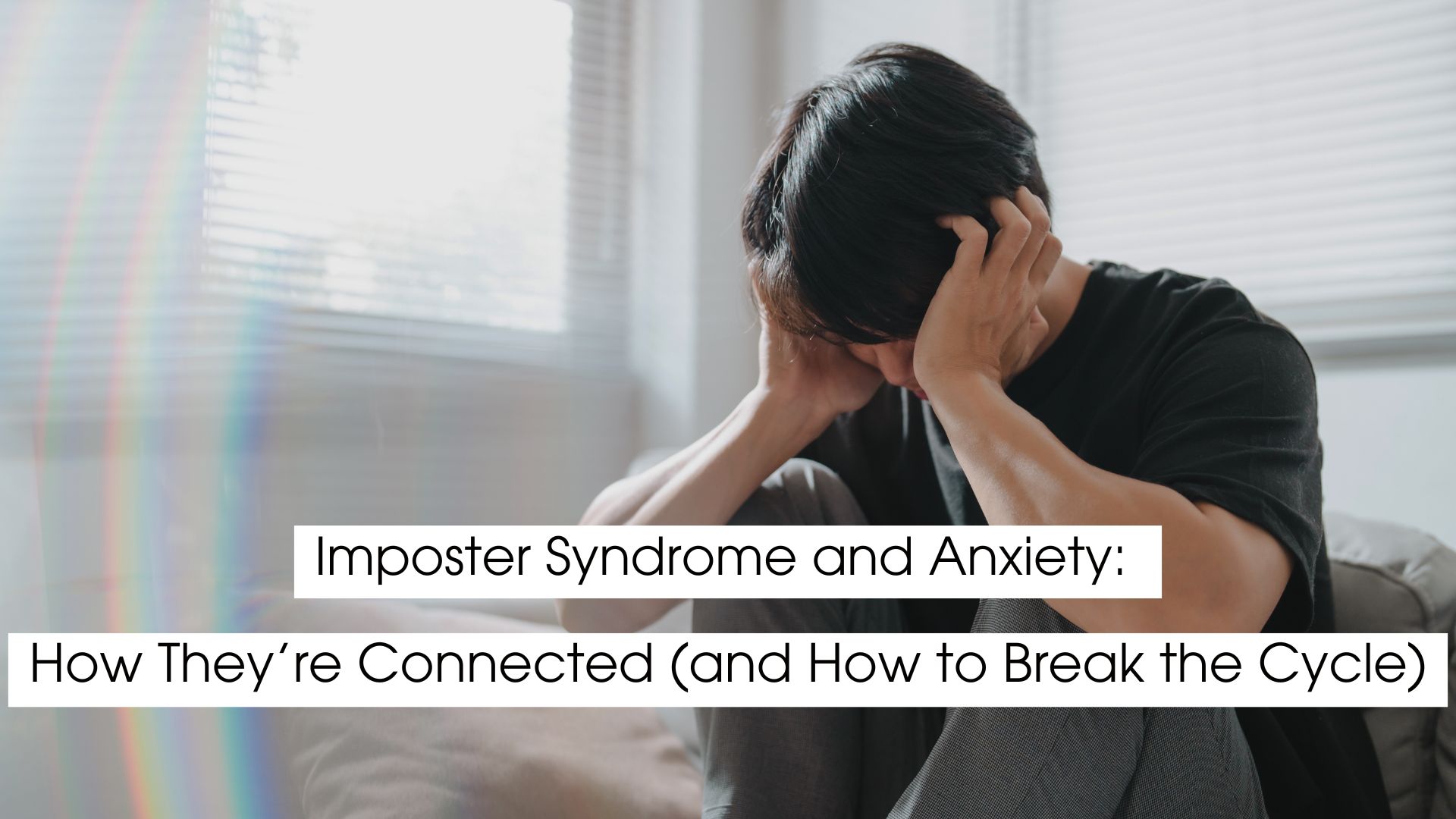
Imposter Syndrome and Anxiety: How They’re Connected (and How to Break the Cycle)
Imposter syndrome and anxiety often go hand in hand, creating a cycle of self-doubt, overthinking, and emotional overwhelm. Understanding how…

Imposter Syndrome for Entrepreneurs and Business Owners: Why It Happens and How to Overcome It
Imposter syndrome is a hidden struggle for many entrepreneurs and business owners, often showing up as self-doubt, fear of being…

What a Personal Development Coach Really Does (And How It Changes Your Life)
Personal development begins with understanding yourself, your patterns, and the beliefs shaping your life. A personal development coach helps you…