Power your emotional intelligence by mastering the art of emotional processing. Understanding and dealing with our emotions is crucial for overall well-being. Unprocessed emotions can lead to negative impacts on mental and physical health. In this blog post, we will explore the importance of emotional processing, its benefits, and techniques to unlock the power within ourselves. By learning to navigate and make sense of our emotions, we can transform our lives and tap into our true potential.

Key Takeaways:

  • Emotional processing is vital: Processing emotions allows us to understand, manage, and express our feelings effectively.
  • Techniques for emotional processing: Mindfulness, journaling, art therapy, and talking to a therapist are effective ways to process and deal with emotions.
  • The power of emotional processing: Embracing emotional processing can lead to greater self-awareness, improved mental health, and healthier relationships with others.

Foundations of Emotional Processing

Defining Emotions and Their Impact

One of the key aspects in understanding emotional processing is defining emotions and recognizing their profound impact on our thoughts, behaviors, and overall well-being. Emotions are complex psychological states that arise in response to internal and external stimuli, influencing how we perceive and interact with the world around us. They can range from joy and love to anger and fear, each serving a unique purpose in helping us navigate our experiences.

The Brain and Emotional Processing

Processing One of the most crucial components of emotional processing is the brain, particularly the amygdala and prefrontal cortex. The amygdala, known as the emotional center of the brain, plays a vital role in detecting and responding to threats, while the prefrontal cortex helps regulate and control these emotions. Their intricate interplay determines how we interpret and process emotional stimuli, shaping our reactions and decision-making processes.

Their interaction is crucial for evaluating threats and managing emotional responses. When the balance between these two regions is disrupted, it can lead to significant challenges in regulating emotions and coping with stressors. Understanding how the brain processes emotions is crucial in cultivating emotional intelligence and enhancing our mental well-being.

Strategies for Effective Emotional Processing

Mindfulness and Awareness Techniques

Assuming an inner state of calm and employing mindfulness can be powerful tools for effective emotional processing. By cultivating awareness of our emotions and staying present in the moment, we can observe our feelings without judgment or attachment. This practice allows us to acknowledge and accept our emotions, leading to improved self-regulation and clarity.

Cognitive-Behavioral Approaches

Strategies that focus on cognitive-behavioral approaches offer structured methods to challenge and reframe negative thought patterns that contribute to emotional distress. By identifying and modifying cognitive distortions, individuals can reshape their beliefs and behaviors, leading to healthier emotional responses and outcomes.

Plus, cognitive-behavioral approaches provide a framework for individuals to recognize and correct maladaptive thought processes that may be perpetuating emotional difficulties. By addressing the underlying cognitive distortions and replacing them with more adaptive and positive interpretations, individuals can experience significant improvements in their emotional well-being.

Overcoming Obstacles in Emotional Processing

Identifying Emotional Blocks

The process of emotional processing can be hindered by various emotional blocks that individuals may face. These emotional blocks can manifest in the form of denial, suppression, or avoidance of difficult emotions. Identifying these emotional blocks is the first step towards unlocking the power within and begining on a journey of emotional healing.

Navigating Through Complex Emotions

To navigate through complex emotions, individuals must first acknowledge and accept the existence of these emotions. By recognizing the complexities of their feelings and allowing themselves to experience them fully, individuals can begin to unravel the layers of emotions that may have been buried deep within. Through this process, individuals can gain clarity and insight into their emotional landscape, paving the way for healing and growth.

Blocks:

It is imperative to understand that navigating through complex emotions can be challenging and may uncover deep-rooted emotional wounds. However, confronting these emotions head-on is crucial for emotional growth and healing. By facing these complex emotions with courage and compassion, individuals can begin to release the emotional blocks that have been holding them back, ultimately freeing themselves from the shackles of the past.

Integrating Emotional Processing in Daily Life

Building Healthy Emotional Habits

Unlike physical health, emotional well-being often takes a backseat in our daily routines. Integrating emotional processing into our daily lives is crucial for overall mental health. Start by incorporating simple practices such as journaling, mindfulness, and therapy sessions to build healthy emotional habits.

Preventing Emotional Burnout

Preventing emotional burnout is important for maintaining a balanced life. Recognize the signs of emotional exhaustion, such as feeling overwhelmed, constant fatigue, and irritability. Prioritize self-care, set boundaries, and learn to say no to prevent emotional burnout.

Life can throw unexpected challenges and stresses our way, which can lead to emotional burnout if not managed properly. It is important to take breaks, engage in activities that bring joy, and seek support from loved ones or professionals when needed. By prioritizing self-care and implementing healthy boundaries, you can prevent emotional burnout and maintain a balanced emotional state.

Conclusively

Understanding the art of emotional processing is a vital step towards unlocking the power within ourselves. By acknowledging and exploring our emotions, we can learn to manage them effectively, leading to improved mental well-being and personal growth. It is a skill that requires practice and patience, but the benefits of emotional processing are profound. As we cultivate self-awareness and emotional intelligence, we gain the ability to navigate life's challenges with resilience and clarity. By embracing the process of emotional processing, we empower ourselves to live authentically and create meaningful connections with others. The journey to mastering this art is ongoing, but the rewards are immeasurable.

FAQ

Q: What is emotional processing?

A: Emotional processing is the act of examining and understanding one's emotions in order to effectively manage and cope with them. It involves recognizing, labeling, and expressing emotions in a healthy way.

Q: Why is emotional processing important?

A: Emotional processing is important because it allows individuals to develop self-awareness, regulate their emotions, and maintain mental well-being. By processing emotions effectively, people can improve their relationships, reduce stress, and make better decisions.

Q: How can I improve my emotional processing skills?

A: You can improve your emotional processing skills by practicing mindfulness, journaling about your feelings, seeking therapy or counseling, and learning healthy coping mechanisms such as deep breathing or meditation. It's also important to validate your emotions and give yourself permission to feel and express them.

Tap Into Your Emotional Superpowers:

Reclaim Your Mental & Emotional Resources To Do More, Be More, & LIVE More Fully

The Desire: Reclaim Your Joy, Purpose & Inner Peace with Emotional Optimization

In the hustle and bustle of today's world, do you feel like your emotions are on a rollercoaster with no brakes? Caught in a relentless storm of stress, anxiety, and uncertainty; it's all too easy to feel lost, disconnected from your true self, and powerless in steering the course of your own life.

In the bustling rhythm of modern life, where achievements are often measured in milestones and material success, it's easy to overlook the silent whispers of our inner selves. Like a ship navigating a vast, unpredictable ocean, we often find ourselves lost in the storms of overwhelm, stress, anxiety, and unfulfilled desires. This is the journey of every single soul searching for a ray of light in the darkness - a calm, peaceful, fulfilled life with emotional serenity, inner confidence and strength. Emotional Optimization is a way to navigate your inner world, to release the energy you've been wasting on old triggers and buttons, and to reclaim your mental and emotional resources so you can do more in life, create a bigger impact on the world, and live life more fully on your terms as you continue your journey to emotional mastery.

The Challenge: Emotional Triggers & Unresolved Traumas

Pause for a moment and imagine the heavy toll those unchecked emotions are having on your life. Relationships strained to their breaking points, opportunities slipping like sand through your fingers, and a constant, gnawing sense of not living up to your full potential. This isn't just about facing daily hurdles; it's about the very essence of your happiness and fulfillment being eroded away, day after draining day, WASTING your precious life REACTING to unresolved emotional triggers and old traumas.

Imagine walking through a labyrinth, where each turn represents a challenge, a moment of doubt, or a trigger of unresolved emotion. This is the odyssey of the modern high achiever. Despite the outward success, there always seems to be an underlying struggle - a battle with emotions that feel like uncharted waters. In an age where the pursuit of happiness often leads to more questions than answers, many find themselves adrift, caught in a cycle of emotional highs and lows, constantly looking for a safe place where they can achieve balance, peace, and genuine fulfillment.


The Solution: Emotional Optimization

This is where Emotional Optimization comes in. David's highly personalized coaching program is designed to equip you with the tools and strategies you need to understand, manage, and transform your emotions. By mastering emotional intelligence, you unlock the door to improved communication, stronger relationships, and heightened self-awareness. It's time to reclaim all the mental and emotional resources you've been wasting in the background on the subconscious emotional triggers from past traumas and unresolved emotions. You deserve to live FREE from the emotional baggage and burdens of your past. It's time to step into peace, confidence, and clarity, so you can be more present, have deeper relationships, and feel more fulfilled in life.

Benefits:

  • Enhanced Emotional Intelligence: Elevate your ability to understand, process, use, & manage your emotions in positive ways to relieve stress, communicate effectively, empathize with others, overcome challenges, & make choices that align with your deepest values & aspirations.
  • Improved Relationships: Transform your personal and professional relationships through self-reflection, better communication, empathy, and emotional understanding.
  • Increased Emotional Resilience: Build a robust emotional foundation that enables you to navigate life's ups & downs with grace & poise, turning potential setbacks into opportunities for growth. Arm yourself with resilience that turns life's fiercest storms into moments of strength & empowerment.
  • Personal and Professional Growth: Unlock your full potential by harnessing the power of emotional optimization to achieve your goals, boost productivity, and amplify a sense of accomplishment, satisfaction, and fulfillment in all areas of life.

About The Author

David A. Caren

Author, Hypnotherapist, Emotional Optimization Coach™‌
& Founder of The Emotional Optimization™ Academy

Master of The Mind, Solver Of Problems,
Wizard of Emotions & Creator Of Solutions!

Tens of thousands of hours with thousands of clients all over the world solving life's greatest challenges.

The Numbers: 10,000+ Sessions with 2,000+ Clients & 500+ 5-Star Client Reviews
As Seen On: Authority Magazine, Entrepreneur, Inc, Forbes, Huffington Post, MTV, CBS, USA Today, NBC

Let's Connect!

Leave a comment

Your email address will not be published. Required fields are marked

{"email":"Email address invalid","url":"Website address invalid","required":"Required field missing"}
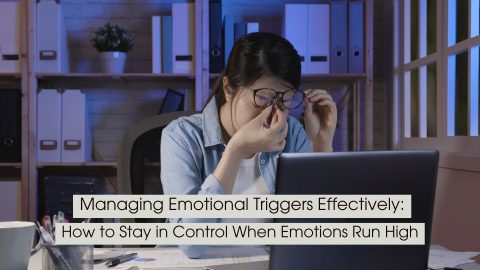
A tired woman working late at a desk rubs the bridge of her nose while sitting in front of a laptop, illustrating emotional overwhelm, stress, and trigger management in a high-pressure environment, with the text “Managing Emotional Triggers Effectively: How to Stay in Control When Emotions Run High” displayed across the image.

Managing Emotional Triggers Effectively: How to Stay in Control When Emotions Run High

A tired woman working late at a desk rubs the bridge of her nose while sitting in front of a laptop, illustrating emotional overwhelm, stress, and trigger management in a high-pressure environment, with the text “Managing Emotional Triggers Effectively: How to Stay in Control When Emotions Run High” displayed across the image.

Read More
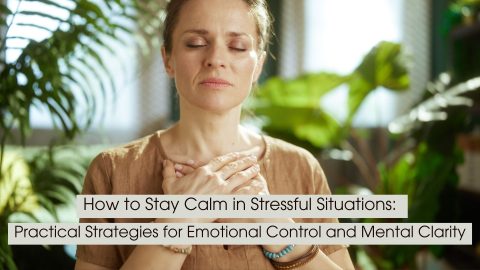
A peaceful woman with closed eyes places both hands over her chest in a calming indoor space filled with natural light and plants, symbolizing emotional regulation, mindfulness, and inner peace, with the text “How to Stay Calm in Stressful Situations: Practical Strategies for Emotional Control and Mental Clarity” displayed across the image.

How to Stay Calm in Stressful Situations: Practical Strategies for Emotional Control and Mental Clarity

How to Stay Calm in Stressful Situations: Staying calm in stressful situations is a skill built through emotional awareness, self-control, and stress management. By learning to pause, breathe, and focus clearly, you can respond with resilience instead of panic.

Read More
Two women jogging together outdoors in a city setting smile at each other while running, symbolizing resilience, strength, and positive mindset, with the text “Building Mental Toughness in Everyday Life: How to Stay Strong, Resilient, and Unshakable” displayed across the image.

Building Mental Toughness in Everyday Life: How to Stay Strong, Resilient, and Unshakable

Building Mental Toughness: Mental toughness is built through everyday habits like discipline, emotional control, and resilience. By embracing discomfort and staying consistent, you can strengthen your mind and handle life’s challenges with confidence.

Read More
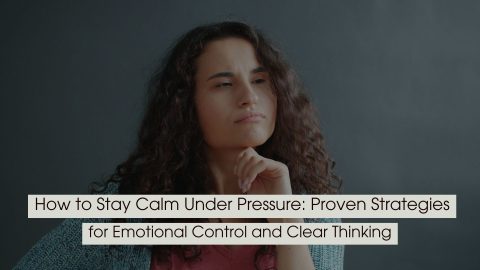
A thoughtful woman with curly hair rests her chin on her hand while looking off to the side against a dark background, symbolizing composure and reflection, with the text “How to Stay Calm Under Pressure: Proven Strategies for Emotional Control and Clear Thinking” displayed across the image.

How to Stay Calm Under Pressure: Proven Strategies for Emotional Control and Clear Thinking

How to Stay Calm Under Pressure: Staying calm under pressure is a skill that can be developed through emotional control, self-awareness, and stress management. By learning to pause, breathe, and think clearly, you can handle difficult situations with confidence and resilience.

Read More
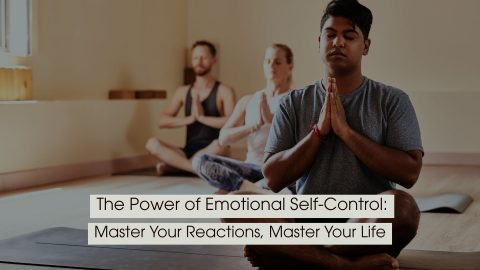
A group of people sitting cross-legged in a yoga studio with eyes closed and hands in a prayer position, practicing meditation and emotional control, with the text “The Power of Emotional Self-Control: Master Your Reactions, Master Your Life” displayed across the image.

The Power of Emotional Self-Control: Master Your Reactions, Master Your Life

Power of Emotional Self-Control: Emotional self-control is the ability to manage your reactions and respond thoughtfully under pressure. By developing awareness and practicing self-regulation, you can improve decision-making, reduce stress, and achieve personal growth.

Read More
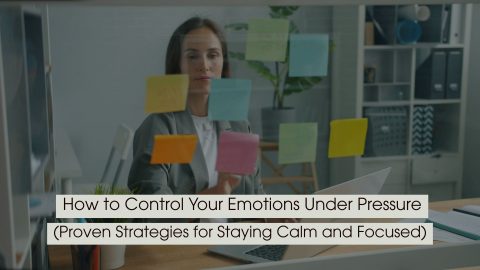
A woman in an office organizing colorful sticky notes on a glass board while working on a laptop, representing focus and emotional control under pressure, with the text “How to Control Your Emotions Under Pressure (Proven Strategies for Staying Calm and Focused)” displayed across the image.

How to Control Your Emotions Under Pressure (Proven Strategies for Staying Calm and Focused)

How to Control Your Emotions: Controlling your emotions under pressure is a skill that can be developed. By practicing awareness, pausing before reacting, and managing stress effectively, you can stay calm, think clearly, and respond with confidence in any situation.

Read More