Table of Contents
- How Great Leaders Inspire Action | Simon Sinek | TED
- What Is Emotional Optimization (and Why It Matters at Work)
- The Cost of Ignoring Emotions in the Workplace
- The Pillars of Emotional Optimization for Professionals
- Practical Strategies for Emotional Optimization at Work
- The ROI of Emotionally Optimized Teams
- Conclusion: The New Definition of Success
- Sources & Further Learning
- About the Author
- Book a Free Consultation
- Frequently Asked Questions (FAQ)
- Q1: What does Emotional Optimization actually mean in the workplace?
- Q2: How can Emotional Optimization improve my performance and productivity?
- Q3: Is Emotional Optimization only for leaders or high-level roles?
- Q4: How long does it take to see the effects of Emotional Optimization?
- Q5: How do I know if I need Emotional Optimization at work?
- Q6: Who is Emotional Optimization for?
- Q7: What happens during a Free Consultation with David?
- Q8: How quickly can I start seeing results with Emotional Optimization?
- Q9: What's the next step if I'm curious but not ready for coaching yet?
- Explore More Articles on Emotional Optimization
In today's fast-paced work culture, high performance is often mistaken for endless productivity. Many professionals push themselves to do more, stay longer, and grind harder-only to end up emotionally exhausted, mentally drained, and physically depleted.
But what if true performance wasn’t about doing more-but about feeling better while doing it?
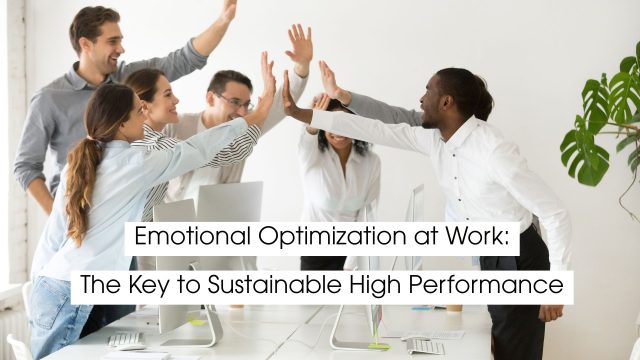
That's where Emotional Optimization comes in. It's the missing link between success and sustainability-the art and science of managing your emotional energy so that you can stay productive, calm, and focused without burning out.
How Great Leaders Inspire Action | Simon Sinek | TED
What Is Emotional Optimization (and Why It Matters at Work)
Emotional Optimization is the process of aligning your emotional, mental, and physical states to achieve your best possible performance. It’s not about suppressing emotions or pretending to be “fine.” Instead, it’s about using your emotions as data-understanding what they’re telling you and learning how to regulate them intentionally.
Think of it this way:
Your emotions are like your body’s dashboard. When you ignore the signals-stress, frustration, anxiety—you risk burnout or emotional shutdown. But when you learn to read those signals, you gain control. You can shift from reaction to response, from chaos to clarity.
In the workplace, emotional optimization means staying grounded during high-stress meetings, maintaining focus during uncertainty, and showing up with calm authority when everyone else feels overwhelmed. It’s emotional intelligence in action-on a daily, practical level.
The Cost of Ignoring Emotions in the Workplace
Ignoring emotions doesn't make them disappear-it just makes them louder later. Professionals who constantly push through without processing emotions often end up in a cycle of emotional fatigue, irritability, or decision paralysis.
According to the World Health Organization, burnout has become a recognized occupational phenomenon. It’s defined as “chronic workplace stress that has not been successfully managed,” leading to exhaustion, cynicism, and reduced professional efficacy.
When emotional energy runs low:
- Focus and creativity decline
- Communication becomes reactive
- Confidence erodes
- Even small challenges start to feel overwhelming
In contrast, emotionally optimized professionals recover faster, adapt better, and maintain clarity even under pressure. They don't just survive stress-they lead through it.
The Pillars of Emotional Optimization for Professionals
To cultivate emotional optimization at work, you must first build a foundation on four key pillars:
1. Emotional Awareness
Awareness is the first step toward mastery. You can't optimize what you don't recognize.
Start by noticing your emotional patterns: What situations trigger stress, frustration, or self-doubt? Journaling or short daily reflections can help you identify emotional “themes” that drain your energy.
2. Emotional Regulation
Once you recognize your emotions, the next step is learning to manage them without suppressing them.
This doesn't mean ignoring anger or anxiety-it means learning how to process them through breathwork, movement, or self-dialogue. For example, taking 90 seconds to breathe deeply when tension rises can reset your nervous system and restore composure.
3. Energy Alignment
Emotional optimization also means syncing your emotional energy with your work rhythm.
Some people perform best in the morning, others at night. Pay attention to when your energy peaks and plan your deep-focus tasks accordingly. Between tasks, take “micro-breaks” to reset emotionally-stretch, walk, or simply pause to breathe.
4. Self-Compassion
Many high achievers operate with a harsh inner critic. But emotional optimization requires replacing self-judgment with self-compassion.
When you make a mistake, ask: “What can I learn from this?” instead of “What’s wrong with me?“
Self-compassion builds emotional safety, which is the foundation of long-term resilience and creativity.
Practical Strategies for Emotional Optimization at Work
Now that you understand the pillars, here are five practical strategies to bring emotional optimization into your daily work life:
1. Morning Emotional Check-In
Before diving into your tasks, pause and ask yourself:
- “How do I feel today?”
- “What do I need to feel grounded?”
This 2-minute emotional scan helps you become aware of your starting point. From there, you can set intentions like “I’ll stay calm and focused in meetings” or “I'll pace myself today.“
2. The 90-Second Reset
Emotions are waves that last about 90 seconds if not fueled by thought. When you feel overwhelmed, take a slow breath in for four counts, hold for four, and exhale for six. This helps reset your nervous system and brings you back to emotional neutrality.
3. Energy Journaling
Instead of writing about what you did, write about how you felt.
For example:
- “My energy was low after that meeting-maybe because I didn't speak up.”
- “I felt proud after finishing that project-it reminded me of my progress.”
Energy journaling helps you track emotional triggers and victories, creating awareness that leads to better regulation.
4. Emotional Boundaries
Not every workplace problem is your problem to fix. Emotional optimization includes setting boundaries around how much emotional energy you give away.
If a conversation feels draining, ask yourself: “Is this mine to carry?“
Protecting your energy isn't selfish-it's strategic.
5. Debrief, Don't Dwell
When challenges arise, emotionally optimized professionals reflect instead of ruminate.
Ask:
- “What did I learn from this?”
- “How can I approach it differently next time?”
This mindset turns emotional setbacks into growth opportunities.
The ROI of Emotionally Optimized Teams
When emotional optimization becomes part of a company culture, everything changes.
Teams that are emotionally balanced:
- Communicate more clearly
- Innovate more freely
- Resolve conflicts faster
- Experience lower burnout and higher engagement
Emotionally optimized leaders inspire trust. They make decisions with clarity rather than reactivity. They can hold space for their teams' emotions while managing their own.
Ultimately, emotionally optimized workplaces don’t just produce better employees-they produce better humans.
Conclusion: The New Definition of Success
Sustainable success isn't about constant hustle-it's about emotional harmony.
When you learn to optimize your emotions, you transform your relationship with work. You no longer rely on adrenaline or willpower alone-you operate from calm confidence and aligned energy.
Emotional Optimization isn't a luxury-it’s the future of leadership and performance. Because when your emotions are optimized, your potential is too.
Sources & Further Learning
- Dr. Andrew Huberman – “How to Manage Stress, Anxiety & Overwhelm”
A neuroscience-based guide on how emotions and the nervous system affect focus, productivity, and mental clarity. - Simon Sinek – “How Great Leaders Inspire Action Through Emotional Intelligence”
A leadership-focused talk on why managing emotions builds trust and sustainable performance. - Lisa Feldman Barrett – “You Aren’t at the Mercy of Your Emotions” (TED Talk)
A powerful explanation of how emotions are constructed—and how understanding them can transform your life. - Mel Robbins – “How to Stop Negative Thinking and Shift Your Emotions Fast”
Practical, motivational techniques for emotionally resetting during stressful workdays. - American Psychological Association – “The Road to Resilience”
Outlines the psychological foundations of resilience and how emotional regulation improves adaptability.
About the Author
David A. Caren is the creator of Emotional Optimization™ – helping high-performing professionals rewire emotional patterns for clarity, calm, and success.
Book a Free Consultation
Frequently Asked Questions (FAQ)
Q1: What does Emotional Optimization actually mean in the workplace?
Emotional Optimization is the process of managing, aligning, and channeling your emotions so they support your productivity, communication, and decision-making. At work, this means less emotional reactivity and more clarity, confidence, and focus — even under pressure.
Q2: How can Emotional Optimization improve my performance and productivity?
When your emotions are regulated, your brain stays in a high-performance state. You think faster, solve problems more easily, and recover from stress quicker. Emotional Optimization reduces burnout triggers, mental fatigue, and distractions that sabotage productivity.
If you want to elevate your performance without working harder, consider booking a consultation to learn how emotional optimization coaching can help.
Q3: Is Emotional Optimization only for leaders or high-level roles?
Not at all. Anyone who deals with stress, decisions, deadlines, or communication can benefit. However, leaders often see dramatic results because emotional stability directly impacts team morale, trust, and workplace culture.
Q4: How long does it take to see the effects of Emotional Optimization?
Many people notice improvements in focus, energy, and stress levels within the first few sessions — especially when paired with personalized strategies. Long-term results come from consistent emotional training, just like strengthening a muscle.
If you’re curious how fast Emotional Optimization can shift your work life, book a free consultation to get a personalized assessment.
Q5: How do I know if I need Emotional Optimization at work?
If you experience burnout symptoms, emotional exhaustion, overwhelm, decision fatigue, or difficulty staying focused — these are signs your emotional system is overloaded. Emotional Optimization helps you regain control and build mental resilience so you perform at your best consistently.
Q6: Who is Emotional Optimization for?
It's designed for high-achieving professionals, entrepreneurs, and leaders who want to break free from constant stress, self-doubt, or burnout. If you're ready to perform at your best without sacrificing your peace, Emotional Optimization™ gives you the tools and awareness to do it.
👉 Book a Free Consultation to see if this approach fits your goals.
Q7: What happens during a Free Consultation with David?
Your 30-minute Free Consultation is a private, judgment-free conversation focused on you. Together, we identify where emotional friction is slowing you down and map the first steps toward clarity and balance. There's no pressure, just insight, direction, and calm.
Schedule your session here → https://DavidACaren.com/Consultation
Q8: How quickly can I start seeing results with Emotional Optimization?
Many clients notice a shift within their first session, feeling lighter, clearer, and more focused. Because Emotional Optimization™ works at the subconscious level, transformation often happens faster than traditional talk therapy, self-help or mindset coaching.
If you're ready to experience it firsthand, you can book a Free Consultation here and explore how this process can work for you.
Q9: What's the next step if I'm curious but not ready for coaching yet?
Start by simply learning more. Read the articles on Emotional Optimization™ or Subscribe my YouTube Channel for insights, tools, and real conversations about mastering emotions and achieving balance. When you're ready, your Free Consultation will be the next natural step toward lasting peace and performance.
Explore your next step (when you're ready) → https://DavidACaren.com/Consultation
Explore More Articles on Emotional Optimization
Mental Toughness: How to Build Resilience in Tough Times (Proven Strategies to Stay Strong)
Mental toughness is the ability to stay strong and resilient during difficult times. By building discipline, managing thoughts, and taking…

How to Stay Motivated Even When You Feel Like Giving Up (Proven Strategies That Work)
Staying motivated when you feel like giving up requires persistence, small actions, and a strong mindset. By focusing on progress…
How to Train Your Brain for Discipline and Focus (Science-Backed Strategies That Work)
Training your brain for discipline and focus requires consistent practice, strong habits, and the right environment. By building routines and…
The Power of Consistency: Why Small Actions Matter More Than Big Efforts
Consistency is the key to long-term success. Small actions repeated daily may seem insignificant, but over time, they create powerful…
Why Discipline Beats Motivation Every Time (The Real Key to Long-Term Success)
Discipline beats motivation because it creates consistency. While motivation fades, discipline ensures daily action, helping individuals build habits, stay productive,…
Atomic Habits Explained: Small Changes That Lead to Big Results (A Complete Guide to Lasting Change)
Atomic Habits shows that small, consistent actions can lead to significant long-term results. By focusing on simple habits and applying…