Table of Contents
- What Is Emotional Intelligence?
- The 5 Stages of Burnout [How To Recognize Them]
- Understanding Burnout Through an Emotional Intelligence Lens
- How Emotional Awareness Prevents Burnout
- Emotional Intelligence and Nervous System Regulation
- Why Low Emotional Intelligence Increases Burnout Risk
- Emotional Intelligence and Healthy Boundaries
- Building Emotional Resilience Through Emotional Intelligence
- Daily Emotional Intelligence Practices for Burnout Prevention
- When to Seek Support for Burnout Prevention
- Conclusion: Emotional Intelligence Is Key to Sustainable Well-Being
- Sources & Further Reading
- About the Author
- Book a Free Consultation
- How does emotional intelligence help prevent burnout?
- What are early emotional signs of burnout?
- Can emotional intelligence reduce work-related stress?
- Is burnout caused by stress alone?
- What emotional intelligence skills are most important for burnout prevention?
- Can emotional intelligence prevent burnout outside of work?
Burnout is no longer limited to high-stress professions or overworked individuals, it has become a widespread emotional and mental health issue affecting people across industries, roles, and lifestyles. Characterized by emotional exhaustion, detachment, and a loss of motivation, burnout often develops slowly and quietly. One of the most effective yet overlooked ways to prevent burnout is through emotional intelligence.
Emotional intelligence helps you recognize early signs of stress, regulate emotional overload, and respond to pressure in healthier ways. When developed intentionally, emotional intelligence becomes a powerful tool for preventing burnout and sustaining long-term emotional and mental well-being.
What Is Emotional Intelligence?
Emotional intelligence refers to the ability to recognize, understand, manage, and respond to emotions, both your own and those of others. It includes core skills such as emotional awareness, self-regulation, empathy, and emotional resilience.
Rather than ignoring emotions or reacting impulsively, emotional intelligence allows you to pause, interpret emotional signals, and choose responses that support well-being. This skill is especially important in burnout prevention, where chronic emotional stress often goes unnoticed until exhaustion sets in.
The 5 Stages of Burnout [How To Recognize Them]
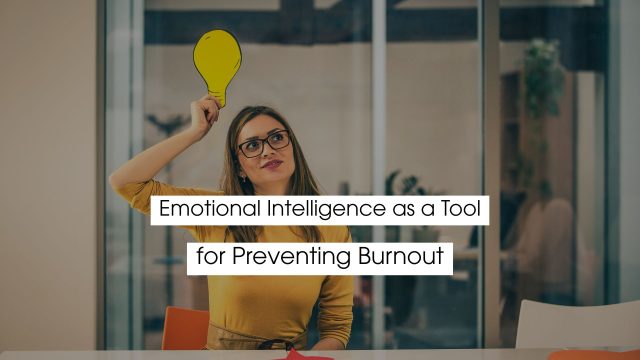
Understanding Burnout Through an Emotional Intelligence Lens
Burnout is not just the result of long hours or heavy workloads. It is often the outcome of prolonged emotional strain, unmet emotional needs, and unregulated stress responses. When emotions such as frustration, anxiety, resentment, or pressure are consistently suppressed or ignored, they accumulate and lead to emotional exhaustion.
Emotional intelligence helps bring awareness to these emotional patterns early. Instead of pushing through discomfort, emotionally intelligent individuals recognize when stress is becoming unsustainable and take proactive steps to restore balance.
How Emotional Awareness Prevents Burnout
Emotional awareness, the foundation of emotional intelligence, is the ability to notice and name emotions as they arise. This awareness is critical for preventing burnout because it allows you to detect emotional overload before it becomes chronic.
When emotions are acknowledged, the nervous system begins to calm. Research shows that identifying emotions reduces activation in the brain’s stress centers, making emotional experiences feel more manageable. By practicing emotional awareness, you interrupt the burnout cycle before it escalates into exhaustion or disengagement.
Emotional Intelligence and Nervous System Regulation
Burnout is closely linked to nervous system dysregulation. Chronic stress keeps the body in a constant fight-or-flight state, draining energy and impairing focus, creativity, and emotional balance.
Emotional intelligence supports nervous system regulation by encouraging intentional responses to stress. Practices such as mindful breathing, grounding, and emotional check-ins signal safety to the nervous system, allowing it to shift into a calmer, more regulated state. Over time, this reduces emotional fatigue and builds resilience against burnout.
Why Low Emotional Intelligence Increases Burnout Risk
When emotional intelligence is underdeveloped, people are more likely to ignore emotional warning signs, overextend themselves, and rely on unhealthy coping mechanisms. Emotional suppression, people-pleasing, and constant self-pressure are common patterns that contribute to burnout.
Without emotional intelligence, stress accumulates unchecked. Emotional intelligence helps break this pattern by encouraging boundaries, self-reflection, and emotional honesty, key components in preventing burnout.
Emotional Intelligence and Healthy Boundaries
One of the most practical ways emotional intelligence prevents burnout is through boundary awareness. Emotionally intelligent individuals are more attuned to their emotional limits and recognize when demands exceed capacity.
By listening to emotional signals such as resentment, fatigue, or overwhelm, you can set healthier boundaries around work, relationships, and responsibilities. This reduces emotional depletion and supports sustainable performance without sacrificing well-being.
Building Emotional Resilience Through Emotional Intelligence
Emotional resilience, the ability to recover from stress and adapt to challenges, is a critical factor in burnout prevention. Emotional intelligence strengthens resilience by teaching you how to process emotions instead of being overwhelmed by them.
When setbacks occur, emotionally intelligent individuals are less likely to internalize failure or push themselves beyond healthy limits. Instead, they respond with flexibility, self-compassion, and emotional regulation, protecting themselves from long-term burnout.
Daily Emotional Intelligence Practices for Burnout Prevention
Preventing burnout does not require drastic changes. Small, consistent emotional intelligence practices can significantly improve emotional health over time. Daily emotional check-ins, journaling emotional triggers, and practicing slow breathing are simple yet effective tools.
These practices help regulate stress responses, increase emotional clarity, and prevent emotional buildup. Over time, emotional intelligence becomes a natural part of how you navigate pressure and responsibility.
When to Seek Support for Burnout Prevention
While emotional intelligence can be developed independently, professional support can be invaluable if burnout symptoms are already present. Therapists, coaches, and mental health professionals can help identify emotional patterns, regulate the nervous system, and strengthen emotional intelligence skills.
Seeking support is a proactive step, not a failure. With guidance, emotional intelligence becomes a sustainable tool for preventing burnout and restoring emotional balance.
Conclusion: Emotional Intelligence Is Key to Sustainable Well-Being
Burnout is not a personal flaw, it is often a sign that emotional needs have gone unmet for too long. Emotional intelligence provides the awareness, regulation, and resilience needed to prevent burnout before it takes hold.
By developing emotional intelligence, you learn to listen to emotional signals, regulate stress responses, and create healthier boundaries. This not only prevents burnout but also supports long-term emotional health, clarity, and fulfillment.
Emotional intelligence is not about doing more, it’s about responding better. And in a world that constantly demands more, that skill makes all the difference.
Sources & Further Reading
American Psychological Association (APA) – What Is Burnout?
https://www.apa.org/monitor/2019/01/burnout
Explains the psychology of burnout, emotional exhaustion, and long-term stress.
World Health Organization (WHO) – Burn-out an “Occupational Phenomenon”
https://www.who.int/news/item/28-05-2019-burn-out-an-occupational-phenomenon
Defines burnout and its impact on emotional and mental health.
Harvard Business Review – Emotional Intelligence Has 12 Elements. Which Do You Need to Work On?
https://hbr.org/2017/02/emotional-intelligence-has-12-elements-which-do-you-need-to-work-on
Explores emotional intelligence competencies linked to resilience and leadership.
Psychology Today – Emotional Intelligence and Burnout
https://www.psychologytoday.com/us/basics/emotional-intelligence
Discusses how emotional intelligence skills help manage stress and prevent burnout.
Greater Good Science Center (UC Berkeley) – How Emotional Awareness Reduces Stress
https://greatergood.berkeley.edu/article/item/why_naming_your_emotions_matters
Research on how emotional awareness supports emotional regulation and stress reduction.
Daniel Goleman – Emotional Intelligence: Why It Can Matter More Than IQ
https://www.danielgoleman.info/topics/emotional-intelligence/
Foundational work linking emotional intelligence to emotional resilience and well-being.
National Institute of Mental Health (NIMH) – Caring for Your Mental Health
https://www.nimh.nih.gov/health/topics/caring-for-your-mental-health
Practical guidance on protecting emotional health and preventing chronic stress.
About the Author
David A. Caren is the creator of Emotional Optimization™ – helping high-performing professionals rewire emotional patterns for clarity, calm, and success.
Book a Free Consultation
How does emotional intelligence help prevent burnout?
Emotional intelligence helps prevent burnout by increasing emotional awareness, improving stress regulation, and encouraging healthier responses to pressure. When you recognize emotional warning signs early, you can take action before exhaustion builds.
What are early emotional signs of burnout?
Common emotional signs include chronic irritability, emotional numbness, anxiety, resentment, loss of motivation, and feeling overwhelmed. Emotional intelligence helps identify these signals before burnout becomes severe.
Can emotional intelligence reduce work-related stress?
Yes. Emotional intelligence improves stress management by helping you regulate emotional responses, set boundaries, and communicate needs clearly, reducing prolonged emotional strain at work.
Is burnout caused by stress alone?
No. Burnout is often caused by prolonged emotional overload, lack of emotional regulation, and unmet emotional needs, not just workload. Emotional intelligence addresses these deeper contributors.
What emotional intelligence skills are most important for burnout prevention?
Key skills include emotional awareness, self-regulation, empathy, boundary setting, and emotional resilience. Together, these skills support long-term emotional and mental health.
Can emotional intelligence prevent burnout outside of work?
Absolutely. Burnout can occur in caregiving, relationships, and personal life. Emotional intelligence helps manage emotional demands in all areas of life, not just professional settings.

How to Transform Your Life One Day at a Time: Small Daily Changes That Lead to Extraordinary Results
Transform Your Life One Day at a Time: Transforming your life doesn’t happen overnight, it happens one day at a…


How to Develop Unbreakable Self-Discipline: The Ultimate Guide to Building Mental Strength and Consistency
Developing unbreakable self-discipline isn’t about relying on endless motivation or willpower. It’s about building consistent habits, keeping promises to yourself,…
How to Strengthen Your Willpower Every Day: Practical Strategies for Better Self-Control
Strengthening your willpower starts with small, intentional decisions. By reducing distractions, practicing delayed gratification, building supportive routines, and keeping promises…
Personal Development: The Growth Mindset Formula, How to Rewire Your Brain for Success
Personal development begins with one powerful belief: you can improve. The growth mindset formula teaches you how to rewire your…
Personal Development: Why Overthinking Is Holding You Back (And How to Stop)
Overthinking feels safe, but it quietly steals your momentum, confidence, and clarity. The more you analyze, the less you act….
How Stop Negative Self-Talk Permanently
Negative self-talk is not permanent, it is a learned pattern that can be rewired. Through awareness, cognitive restructuring, and self-compassion,…