Anxiety is not just a mental experience, it’s an emotional and physiological response to perceived threat, pressure, or uncertainty. While many people try to manage anxiety by controlling thoughts or avoiding stressors, one of the most effective long-term solutions lies in emotional intelligence. Emotional intelligence helps you recognize, understand, and respond to emotions in ways that reduce stress rather than amplify it.
When emotional intelligence is developed, anxiety no longer feels overwhelming or mysterious. Instead, it becomes a signal you can interpret, regulate, and respond to with awareness and self-compassion. This article explores the connection between emotional intelligence and anxiety, and how emotional awareness plays a key role in reducing stress and restoring emotional balance.
Daniel Goleman Introduces Emotional Intelligence | Big Think
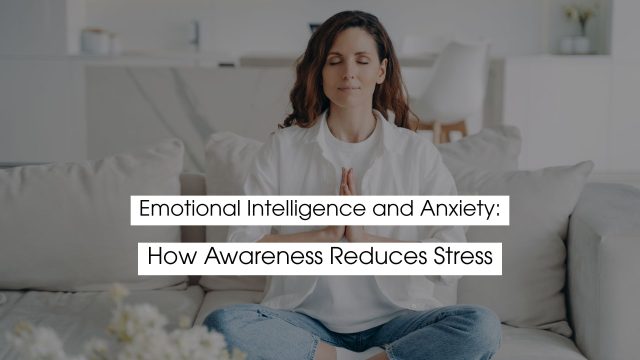
What Is Emotional Intelligence?
Emotional intelligence is the ability to recognize, understand, manage, and respond to emotions, both your own and those of others. It includes skills such as emotional awareness, self-regulation, empathy, and emotional resilience.
At its core, emotional intelligence allows you to pause between emotion and reaction. Instead of being controlled by stress, fear, or overwhelm, you learn how to observe emotions without judgment and choose healthier responses. This skill is especially important when dealing with anxiety, which often escalates when emotions go unnoticed or misunderstood.
Understanding Anxiety Through an Emotional Intelligence Lens
Anxiety is often misunderstood as a problem to eliminate. In reality, anxiety is an emotional response designed to protect you. It alerts your nervous system to potential danger, even when that danger is emotional or imagined.
Without emotional intelligence, anxiety can feel intrusive and uncontrollable. With emotional intelligence, you begin to see anxiety as information rather than a threat. Emotional awareness helps you identify what the anxiety is trying to communicate, whether it’s fear, uncertainty, overstimulation, or unmet needs.
This shift alone can significantly reduce stress, because the nervous system feels safer when emotions are acknowledged instead of resisted.
How Emotional Awareness Reduces Stress
Emotional awareness is the foundation of emotional intelligence. It involves noticing emotions as they arise, naming them accurately, and understanding their triggers. When emotions are named, the brain’s stress response begins to calm.
Research shows that labeling emotions activates parts of the brain associated with regulation and reduces activity in the amygdala, the brain’s fear center. This means that simply recognizing and naming anxiety can reduce its intensity.
By practicing emotional awareness, you interrupt the cycle of anxious overthinking and bring the body back into a regulated state. Stress decreases not because emotions disappear, but because they are processed instead of suppressed.
Emotional Intelligence and Nervous System Regulation
Anxiety is closely linked to nervous system dysregulation. When the nervous system perceives danger, it shifts into fight-or-flight mode, increasing heart rate, muscle tension, and mental alertness.
Emotional intelligence supports nervous system regulation by creating safety through awareness and self-regulation. Practices such as slow breathing, grounding, and emotional check-ins signal to the body that it is safe to relax.
As emotional intelligence increases, the nervous system becomes more resilient. Stressful situations no longer trigger prolonged anxiety responses, allowing emotional health to stabilize over time.
Why Low Emotional Intelligence Can Increase Anxiety
When emotional intelligence is underdeveloped, emotions tend to build up beneath the surface. This can lead to chronic stress, emotional overwhelm, and heightened anxiety.
People with low emotional awareness may suppress emotions, overthink their experiences, or react impulsively to stress. These patterns often intensify anxiety rather than relieve it.
Emotional intelligence helps break this cycle by encouraging emotional honesty, curiosity, and regulation. Instead of fighting anxiety, you learn how to work with it in healthier ways.
How Emotional Intelligence Improves Stress Management
Emotional intelligence improves stress management by changing how you respond to internal and external pressure. Instead of pushing through stress or ignoring emotional cues, you learn how to pace yourself, set boundaries, and respond with intention.
This reduces emotional exhaustion and prevents stress from accumulating into anxiety or burnout. Over time, emotional intelligence builds confidence in your ability to handle challenges without becoming overwhelmed.
Building Emotional Intelligence to Reduce Anxiety
Developing emotional intelligence doesn’t require perfection or constant emotional control. It begins with small, consistent practices such as checking in with your emotions, naming what you feel, and responding with compassion.
Journaling, mindfulness, and intentional breathing are effective tools for strengthening emotional awareness. These practices train the brain and nervous system to respond calmly to stress rather than react automatically.
As emotional intelligence grows, anxiety loses its grip. Stress becomes manageable, emotions feel less threatening, and emotional resilience increases.
When to Seek Support for Anxiety and Emotional Regulation
While emotional intelligence can be developed independently, professional support can be helpful if anxiety significantly affects daily life. Therapists, counselors, and coaches can help identify emotional patterns, regulate the nervous system, and build emotional intelligence more effectively.
Seeking support is a proactive step toward emotional health. With guidance, emotional awareness deepens and anxiety becomes easier to manage.
Conclusion: Emotional Intelligence Is a Powerful Tool for Reducing Anxiety
Emotional intelligence transforms the way you experience anxiety. Instead of reacting to stress with fear or avoidance, you learn how to respond with awareness, regulation, and self-trust.
By developing emotional intelligence, anxiety becomes a signal rather than a struggle. Emotional awareness reduces stress, strengthens emotional resilience, and supports long-term emotional health. When emotions are understood, anxiety no longer controls your life, you do.
Sources & Further Reading
American Psychological Association (APA) – Emotional Intelligence
https://www.apa.org/monitor/nov01/emotional-intelligence
Explains the role of emotional intelligence in emotional regulation, stress management, and mental well-being.
Psychology Today – What Is Emotional Intelligence?
https://www.psychologytoday.com/us/basics/emotional-intelligence
Provides an overview of emotional intelligence skills and their impact on mental health.
Harvard Health Publishing – Understanding Anxiety and Stress Responses
https://www.health.harvard.edu/mind-and-mood/anxiety-and-stress
Evidence-based information on how anxiety affects the brain and body.
Greater Good Science Center (UC Berkeley) – How Emotional Awareness Reduces Stress
https://greatergood.berkeley.edu/article/item/why_naming_your_emotions_matters
Research on how identifying and naming emotions helps calm the nervous system.
Gross, J. J. (2015) – Emotion Regulation: Current Status and Future Prospects
https://www.ncbi.nlm.nih.gov/pmc/articles/PMC4402347/
A foundational research paper on emotion regulation and emotional health.
Daniel Goleman – Emotional Intelligence: Why It Can Matter More Than IQ
https://www.danielgoleman.info/topics/emotional-intelligence/
Seminal work connecting emotional intelligence with stress reduction and resilience.
National Institute of Mental Health (NIMH) – Anxiety Disorders
https://www.nimh.nih.gov/health/topics/anxiety-disorders
Trusted medical resource on anxiety, symptoms, and treatment approaches.
About the Author
David A. Caren is the creator of Emotional Optimization™ – helping high-performing professionals rewire emotional patterns for clarity, calm, and success.
Book a Free Consultation
What is the relationship between emotional intelligence and anxiety?
Emotional intelligence helps you recognize, understand, and regulate emotions. When emotional awareness is high, anxiety becomes easier to manage because emotions are processed rather than suppressed, reducing stress and emotional overwhelm.
Can emotional intelligence reduce anxiety?
Yes. Emotional intelligence reduces anxiety by helping you identify emotional triggers, regulate your nervous system, and respond to stress with awareness instead of fear. Over time, this lowers anxiety intensity and frequency.
How does emotional awareness reduce stress?
Emotional awareness reduces stress by calming the brain’s threat response. When emotions are acknowledged and named, the nervous system receives a signal of safety, which decreases stress hormones and promotes emotional balance.
Is emotional intelligence a natural trait or a learned skill?
Emotional intelligence is a skill that can be developed. With consistent practice, such as emotional check-ins, mindfulness, and reflection, emotional awareness and regulation improve over time.
What are signs of low emotional intelligence related to anxiety?
Signs may include emotional suppression, chronic overthinking, difficulty identifying emotions, impulsive reactions, emotional overwhelm, or persistent anxiety without clear triggers.
How long does it take to improve emotional intelligence?
Improvements can begin within weeks of consistent practice, but emotional intelligence develops over time. Long-term growth comes from daily awareness and regulation habits.
Can emotional intelligence help with panic attacks?
Emotional intelligence can help reduce the frequency and intensity of panic attacks by increasing awareness of early emotional and physical cues, allowing for regulation before panic escalates.

How to Transform Your Life One Day at a Time: Small Daily Changes That Lead to Extraordinary Results
Transform Your Life One Day at a Time: Transforming your life doesn’t happen overnight, it happens one day at a…


How to Develop Unbreakable Self-Discipline: The Ultimate Guide to Building Mental Strength and Consistency
Developing unbreakable self-discipline isn’t about relying on endless motivation or willpower. It’s about building consistent habits, keeping promises to yourself,…
How to Strengthen Your Willpower Every Day: Practical Strategies for Better Self-Control
Strengthening your willpower starts with small, intentional decisions. By reducing distractions, practicing delayed gratification, building supportive routines, and keeping promises…
Personal Development: The Growth Mindset Formula, How to Rewire Your Brain for Success
Personal development begins with one powerful belief: you can improve. The growth mindset formula teaches you how to rewire your…
Personal Development: Why Overthinking Is Holding You Back (And How to Stop)
Overthinking feels safe, but it quietly steals your momentum, confidence, and clarity. The more you analyze, the less you act….
How Stop Negative Self-Talk Permanently
Negative self-talk is not permanent, it is a learned pattern that can be rewired. Through awareness, cognitive restructuring, and self-compassion,…