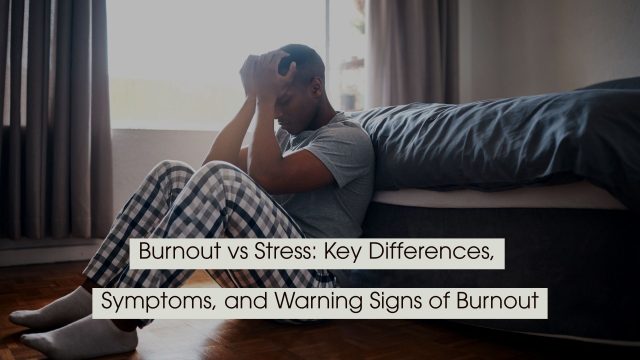
Stress is a common experience in modern life. Work responsibilities, deadlines, financial concerns, and personal obligations can create pressure that many people deal with daily.
However, when stress becomes constant and overwhelming, it can evolve into a much more serious condition known as burnout.
Although people often use the terms stress and burnout interchangeably, they are not the same. Stress usually involves feeling overwhelmed but still motivated to meet demands, while burnout is characterized by emotional exhaustion, detachment, and a significant loss of motivation.
Understanding the difference between burnout and stress is essential for protecting mental health, maintaining productivity, and preventing long-term emotional and physical exhaustion.
What is stress? | Processing the Environment | MCAT | Khan Academy
What Is Stress?
Stress is the body’s natural reaction to challenges or demands. When individuals face pressure or difficult situations, the body releases hormones such as cortisol and adrenaline to prepare for action.
Short-term stress can actually improve focus and performance. It can motivate individuals to meet deadlines, solve problems, and respond to challenges effectively.
Common causes of stress include:
- Heavy workloads or tight deadlines
- Financial concerns
- Academic pressure
- Relationship difficulties
- Major life transitions
People experiencing stress often feel overwhelmed but still believe they can regain control if they manage the situation effectively.
However, when stress continues for long periods without proper recovery, it can lead to more severe consequences.
What Is Burnout?
Burnout is a psychological condition that develops when chronic stress remains unmanaged for an extended period. Unlike stress, which is often temporary, burnout represents a deeper state of emotional, physical, and mental exhaustion.
The concept of burnout was widely researched by Christina Maslach, whose work helped identify the core components of burnout.
According to the World Health Organization, burnout is characterized by three main symptoms:
- Emotional exhaustion – feeling mentally and physically drained
- Mental detachment or cynicism toward work or responsibilities
- Reduced professional effectiveness and productivity
Burnout typically develops slowly as ongoing pressure depletes emotional and mental resources.
Burnout vs Stress: Key Differences
Although stress and burnout are closely related, they affect individuals in very different ways.
| Stress | Burnout |
|---|---|
| Feeling overwhelmed | Feeling emotionally empty |
| Over-engagement | Disengagement |
| High energy but anxious | Low energy and exhaustion |
| Motivation to solve problems | Loss of motivation |
| Temporary pressure | Long-term emotional depletion |
Stress often involves too many demands, while burnout occurs when individuals feel they have nothing left to give.
Common Burnout Symptoms
Recognizing the symptoms of burnout early can help prevent long-term damage to mental health and productivity.
Persistent Exhaustion
One of the most common burnout symptoms is constant fatigue that does not improve with rest.
Reduced Motivation
Tasks that once felt important may begin to feel meaningless or overwhelming.
Difficulty Concentrating
Burnout can impair memory, focus, and decision-making abilities.
Increased Irritability
Emotional exhaustion often leads to frustration, impatience, and mood changes.
Emotional Detachment
Individuals experiencing burnout may feel disconnected from their work, colleagues, or personal relationships.
Physical Symptoms
Burnout can also cause headaches, sleep disturbances, muscle tension, and weakened immunity.
Research summarized by the American Psychological Association shows that chronic stress and burnout can significantly impact both mental and physical health.
How Stress Turns Into Burnout
Burnout rarely appears suddenly. Instead, it often develops through several stages.
- Increased workload and pressure
- Chronic stress without adequate recovery
- Emotional exhaustion and fatigue
- Loss of motivation and engagement
- Full burnout and detachment
Without intervention, this cycle can continue for months or even years.
Why Recognizing Burnout Early Matters
Burnout affects more than productivity. It can influence emotional well-being, relationships, and overall quality of life.
Long-term burnout may lead to:
- Anxiety and depression
- Reduced creativity
- Low confidence
- Emotional instability
- Physical health problems
Early recognition allows individuals to restore balance before burnout becomes severe.
How to Prevent Burnout
Preventing burnout requires managing both stress levels and recovery time.
Establish Healthy Boundaries
Limiting excessive work hours and protecting personal time can reduce chronic stress.
Prioritize Rest
Adequate sleep and regular breaks allow the body and mind to recover.
Manage Workload
Setting realistic expectations and delegating tasks can reduce unnecessary pressure.
Practice Stress-Reduction Techniques
Exercise, mindfulness, and relaxation techniques can help regulate emotional responses.
Maintain Support Networks
Strong relationships with friends, family, and colleagues provide emotional support during difficult periods.
Conclusion
Stress is a normal part of life, but when it becomes constant and overwhelming, it can lead to burnout.
The key difference between stress and burnout lies in engagement. Stress involves feeling pressured but motivated to act, while burnout results in emotional exhaustion, detachment, and loss of motivation.
Recognizing burnout symptoms early is essential for protecting mental health and maintaining long-term productivity.
By managing stress, setting boundaries, and prioritizing recovery, individuals can reduce the risk of burnout and maintain a healthier, more sustainable lifestyle.
Sources and Further Reading
- Christina Maslach – Research on burnout and the Maslach Burnout Inventory
- World Health Organization – Burnout definition and workplace health research
- American Psychological Association – Studies on stress and mental health
- Maslach, C. & Leiter, M. (2016). Burnout
- Research on chronic stress and occupational health
About the Author
David A. Caren is the creator of Emotional Optimization™ – helping high-performing professionals rewire emotional patterns for clarity, calm, and success.
Book a Free Consultation
What is the main difference between burnout and stress?
Stress usually involves feeling overwhelmed but still motivated, while burnout leads to emotional exhaustion and loss of motivation.
Can stress cause burnout?
Yes. Chronic, unmanaged stress over a long period is one of the primary causes of burnout.
What are the first signs of burnout?
Early signs include fatigue, reduced motivation, irritability, and difficulty concentrating.
Can burnout affect physical health?
Yes. Burnout can contribute to sleep problems, headaches, weakened immunity, and other stress-related conditions.
How long does burnout recovery take?
Recovery varies depending on severity but may take several weeks or months with proper rest and lifestyle adjustments.
Mental Toughness: How to Build Resilience in Tough Times (Proven Strategies to Stay Strong)
Mental toughness is the ability to stay strong and resilient during difficult times. By building discipline, managing thoughts, and taking…


How to Stay Motivated Even When You Feel Like Giving Up (Proven Strategies That Work)
Staying motivated when you feel like giving up requires persistence, small actions, and a strong mindset. By focusing on progress…

How to Train Your Brain for Discipline and Focus (Science-Backed Strategies That Work)
Training your brain for discipline and focus requires consistent practice, strong habits, and the right environment. By building routines and…
The Power of Consistency: Why Small Actions Matter More Than Big Efforts
Consistency is the key to long-term success. Small actions repeated daily may seem insignificant, but over time, they create powerful…

Why Discipline Beats Motivation Every Time (The Real Key to Long-Term Success)
Discipline beats motivation because it creates consistency. While motivation fades, discipline ensures daily action, helping individuals build habits, stay productive,…

Atomic Habits Explained: Small Changes That Lead to Big Results (A Complete Guide to Lasting Change)
Atomic Habits shows that small, consistent actions can lead to significant long-term results. By focusing on simple habits and applying…