Table of Contents
Setbacks are inevitable.
Failure. Rejection. Loss. Unexpected change. Pressure.
What separates those who crumble from those who come back stronger is not luck or talent, it’s resilience.
In personal development, resilience is one of the most valuable psychological skills you can build. It determines how quickly you recover, how effectively you adapt, and how confidently you move forward after adversity.
Resilience doesn’t mean avoiding difficulty.
It means developing the psychological strength to grow through it.
InBrief: What is Resilience?
What Is Resilience?
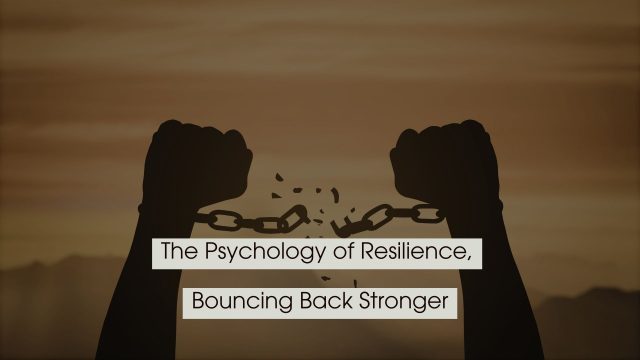
Resilience is the ability to adapt, recover, and grow stronger after stress or adversity.
According to the American Psychological Association, resilience involves behaviors, thoughts, and actions that can be learned and developed in anyone.
Resilient individuals:
- Maintain perspective during challenges
- Regulate emotional responses
- Focus on controllable factors
- Learn from setbacks
- Continue moving forward
Resilience is not about suppressing emotions, it’s about navigating them effectively.
The Psychology Behind Resilience
1. Interpretation Shapes Recovery
Psychologist Martin Seligman, a pioneer in positive psychology, explains that how we interpret adversity determines our emotional response.
People who recover quickly tend to:
- View setbacks as temporary
- See challenges as specific, not permanent
- Avoid personalizing every failure
This explanatory style reduces emotional paralysis and promotes action.
2. Growth Mindset Strengthens Resilience
Research by Carol Dweck shows that individuals with a growth mindset are more likely to persist after setbacks.
If you believe abilities can improve, adversity becomes training rather than proof of limitation.
Belief influences recovery speed.
3. Emotional Regulation Reduces Damage
Resilience is closely linked to emotional regulation, the ability to manage reactions under stress.
When you regulate emotions effectively:
- Stress hormones decrease faster
- Decision-making improves
- Confidence stabilizes
Calm responses shorten recovery time.
Why Some People Bounce Back Faster
Resilient individuals typically:
- Accept reality quickly
- Focus on next steps
- Maintain social support
- Practice self-compassion
- Stay purpose-driven
They do not deny pain, they refuse to stay stuck in it.
The Hidden Benefits of Adversity
Adversity can produce:
- Increased emotional strength
- Clearer priorities
- Greater empathy
- Improved problem-solving
- Stronger confidence
Psychologists often refer to this as post-traumatic growth, the ability to experience positive transformation after hardship.
Struggle, when processed constructively, becomes strength.
Practical Strategies to Build Resilience
1. Develop a Recovery Ritual
Create a system for setbacks:
- Reflect on what happened
- Identify lessons
- Adjust strategy
- Re-engage quickly
Structure reduces emotional chaos.
2. Strengthen Internal Dialogue
Replace:
“This always happens to me.”
With:
“This is difficult, but I can handle it.”
Language shapes emotional response.
3. Focus on What You Can Control
Resilience grows when attention shifts from blame to action.
Ask:
- What is within my control right now?
- What is my next best step?
Control restores confidence.
4. Practice Stress Exposure Gradually
Avoidance increases fragility.
Taking on manageable challenges strengthens emotional endurance over time.
5. Maintain Physical Foundations
Sleep, exercise, and nutrition significantly influence emotional stability.
A strong body supports a strong mind.
6. Cultivate Meaning
Purpose increases resilience.
When adversity connects to a larger mission, it becomes more tolerable.
Purpose anchors persistence.
The Resilience Growth Cycle
Challenge → Emotional Response → Reflection → Adjustment → Stronger Response → Greater Confidence
Each cycle builds psychological muscle.
Personal development accelerates when setbacks are treated as training sessions rather than stopping points.
Signs You Are Becoming More Resilient
- You recover faster from disappointment
- You maintain perspective during stress
- You seek solutions instead of blame
- You tolerate uncertainty better
- You grow from criticism
Resilience becomes visible in recovery speed.
Conclusion
Resilience is not about avoiding hardship.
It is about learning to navigate it skillfully.
In personal development, resilience determines how far you can go, not because you avoid setbacks, but because you outgrow them.
Every obstacle presents two options:
- Stay stuck in the experience
- Extract strength from it
When you choose reflection over reaction and growth over defeat, you bounce back stronger each time.
Resilience is not built in comfort.
It is built in challenge, and reinforced in recovery.
Sources and Further Reading
- American Psychological Association – Research on resilience and stress
- Martin Seligman – Explanatory style and optimism
- Carol Dweck – Growth mindset research
- Seligman, M. (2011). Flourish
- Research on emotional regulation and neuroplasticity
About the Author
David A. Caren is the creator of Emotional Optimization™ – helping high-performing professionals rewire emotional patterns for clarity, calm, and success.
Book a Free Consultation
Is resilience something you’re born with?
No. Research shows resilience is a skill that can be developed through behavior and mindset shifts.
How long does it take to build resilience?
Resilience strengthens gradually through repeated exposure to manageable stress and constructive recovery.
Can resilience reduce anxiety?
Yes. Improved emotional regulation reduces the intensity and duration of stress responses.
What is the fastest way to increase resilience?
Focus on emotional regulation, perspective shifts, and shortening recovery time after setbacks.
Does resilience mean suppressing emotions?
No. Resilience involves acknowledging emotions and managing them effectively.
What Successful People Do Differently Every Day (Daily Habits That Drive Success)
Successful people achieve more by focusing on consistent daily habits rather than relying on motivation. Through discipline, planning, and continuous…

How to Stop Procrastination and Take Action Immediately (Proven Strategies That Work)
Procrastination is driven by avoidance and fear, not laziness. By breaking tasks into small steps, taking immediate action, and removing…
What Is Self-Discipline and Why It Matters: The Foundation of Success and Personal Growth
Self-discipline is the ability to stay committed to your goals, even when motivation fades. By developing consistent habits, strengthening self-control,…

How to Transform Your Life One Day at a Time: Small Daily Changes That Lead to Extraordinary Results
Transform Your Life One Day at a Time: Transforming your life doesn’t happen overnight, it happens one day at a…

How to Develop Unbreakable Self-Discipline: The Ultimate Guide to Building Mental Strength and Consistency
Developing unbreakable self-discipline isn’t about relying on endless motivation or willpower. It’s about building consistent habits, keeping promises to yourself,…
How to Strengthen Your Willpower Every Day: Practical Strategies for Better Self-Control
Strengthening your willpower starts with small, intentional decisions. By reducing distractions, practicing delayed gratification, building supportive routines, and keeping promises…