Burnout rarely happens overnight. It develops gradually as ongoing stress slowly drains emotional, mental, and physical energy.
Many people ignore the early warning signs because they believe feeling tired, overwhelmed, or unmotivated is simply part of a busy life. However, these small signals can indicate that burnout is beginning to develop.
Burnout is a state of chronic exhaustion caused by prolonged stress that has not been properly managed. According to the World Health Organization, burnout is characterized by emotional exhaustion, detachment from work, and reduced effectiveness.
Recognizing the early signs of burnout before it becomes severe is essential for protecting mental health, maintaining productivity, and preventing long-term emotional fatigue.
What Does It Mean to Have “Burnout”?
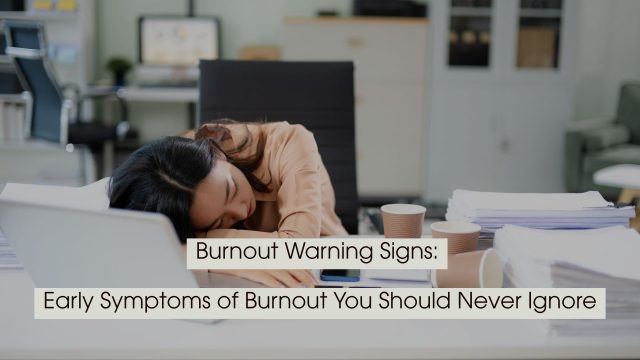
What Is Burnout?
Burnout is a psychological condition that occurs when continuous stress overwhelms a person’s ability to cope.
The concept was extensively studied by Christina Maslach, whose research identified three primary components of burnout:
- Emotional exhaustion
- Cynicism or detachment from responsibilities
- Reduced performance and productivity
Burnout most commonly occurs in work environments but can also develop in academic settings, caregiving roles, or any situation involving prolonged pressure.
Why Early Detection of Burnout Matters
Burnout often begins with subtle changes in energy, motivation, and emotional stability. If these signs are ignored, stress can accumulate and eventually lead to severe exhaustion.
Early recognition allows individuals to make adjustments before burnout significantly affects mental health, productivity, and relationships.
Addressing burnout early can prevent:
- Chronic fatigue
- Emotional detachment
- Anxiety or depression
- Reduced work performance
- Physical health problems
Early Warning Signs of Burnout
Persistent Fatigue
Feeling constantly tired, even after rest, is one of the earliest burnout symptoms.
Unlike normal tiredness, burnout-related fatigue often persists regardless of sleep or short breaks.
Declining Motivation
Activities that once felt meaningful may begin to feel overwhelming or pointless.
Loss of enthusiasm for work or responsibilities is a common early indicator of burnout.
Increased Irritability
Chronic stress can make individuals more sensitive to frustration.
Small problems may trigger stronger emotional reactions than usual.
Difficulty Concentrating
Burnout can impair focus and mental clarity.
People may find it harder to complete tasks, remember details, or maintain productivity.
Emotional Detachment
Individuals experiencing early burnout may start feeling disconnected from their work, colleagues, or responsibilities.
This emotional distancing often develops gradually.
Reduced Productivity
Tasks may take longer to complete, and mistakes may occur more frequently.
Mental exhaustion reduces efficiency and problem-solving ability.
Physical Symptoms
Burnout can also appear through physical symptoms such as:
- Headaches
- Sleep disturbances
- Muscle tension
- Digestive discomfort
Research summarized by the American Psychological Association shows that chronic stress can affect both mental and physical health.
Negative Thinking
Burnout often leads to pessimistic thinking patterns.
Individuals may begin to feel cynical about work or question the value of their efforts.
Why People Ignore Burnout Symptoms
Many people overlook early burnout symptoms because they believe pushing through exhaustion is necessary for success.
High achievers, professionals in demanding careers, and individuals with strong work ethics often normalize excessive stress.
However, ignoring early signs can allow burnout to worsen over time.
Recognizing these signals early is essential for maintaining long-term well-being.
How to Prevent Burnout From Becoming Severe
Prioritize Rest and Recovery
Adequate sleep, breaks, and leisure activities allow the body and mind to recover from stress.
Set Healthy Boundaries
Limiting excessive work hours and protecting personal time can help prevent chronic stress.
Manage Workload
Reevaluating priorities and delegating responsibilities can reduce unnecessary pressure.
Practice Stress Management
Activities such as exercise, meditation, and mindfulness can help regulate emotional responses to stress.
Seek Support
Talking with colleagues, friends, or mental health professionals can provide perspective and emotional support.
Support systems play an important role in stress resilience.
Conclusion
Burnout rarely appears suddenly. It develops slowly through a buildup of unmanaged stress and emotional exhaustion.
Early warning signs such as persistent fatigue, declining motivation, irritability, and reduced concentration should not be ignored.
Recognizing these symptoms early allows individuals to take proactive steps to restore balance, reduce stress, and protect mental health.
Burnout prevention begins with awareness. By listening to the body’s signals and prioritizing recovery, individuals can maintain both productivity and long-term well-being.
Sources and Further Reading
- Christina Maslach – Burnout research and the Maslach Burnout Inventory
- World Health Organization – Burnout definition and workplace health studies
- American Psychological Association – Research on stress and mental health
- Maslach, C. & Leiter, M. (2016). Burnout
- Research on chronic stress and occupational health
About the Author
David A. Caren is the creator of Emotional Optimization™ – helping high-performing professionals rewire emotional patterns for clarity, calm, and success.
Book a Free Consultation
What are the first warning signs of burnout?
Early signs include fatigue, irritability, difficulty concentrating, reduced motivation, and emotional detachment from work.
Can burnout develop gradually?
Yes. Burnout typically develops slowly as ongoing stress accumulates over time.
Is burnout only related to work?
No. Burnout can occur in caregiving roles, academic environments, and other situations involving prolonged stress.
Can burnout affect physical health?
Yes. Burnout can contribute to headaches, sleep problems, weakened immunity, and other stress-related health issues.
How can I prevent burnout early?
Prioritizing rest, setting boundaries, managing workload, and seeking support can help prevent burnout before it becomes severe.

What Successful People Do Differently Every Day (Daily Habits That Drive Success)
Successful people achieve more by focusing on consistent daily habits rather than relying on motivation. Through discipline, planning, and continuous…


How to Stop Procrastination and Take Action Immediately (Proven Strategies That Work)
Procrastination is driven by avoidance and fear, not laziness. By breaking tasks into small steps, taking immediate action, and removing…

What Is Self-Discipline and Why It Matters: The Foundation of Success and Personal Growth
Self-discipline is the ability to stay committed to your goals, even when motivation fades. By developing consistent habits, strengthening self-control,…

How to Transform Your Life One Day at a Time: Small Daily Changes That Lead to Extraordinary Results
Transform Your Life One Day at a Time: Transforming your life doesn’t happen overnight, it happens one day at a…

How to Develop Unbreakable Self-Discipline: The Ultimate Guide to Building Mental Strength and Consistency
Developing unbreakable self-discipline isn’t about relying on endless motivation or willpower. It’s about building consistent habits, keeping promises to yourself,…
How to Strengthen Your Willpower Every Day: Practical Strategies for Better Self-Control
Strengthening your willpower starts with small, intentional decisions. By reducing distractions, practicing delayed gratification, building supportive routines, and keeping promises…