Table of Contents
- how to actually become disciplined in 9 minutes
- What Is Self-Discipline?
- Why Self-Discipline Matters
- Self-Discipline vs Motivation
- The Psychology of Self-Discipline
- How to Develop Unbreakable Self-Discipline
- 8. Learn to Do Hard Things
- 9. Stop Negotiating With Yourself
- 10. Track Your Progress
- 11. Use the Never Miss Twice Rule
- 12. Strengthen Your Identity
- The Self-Discipline Formula
- Common Reasons People Lose Discipline
- Daily Habits That Build Self-Discipline
- A Simple 30-Day Self-Discipline Challenge
- Why Self-Discipline Creates Freedom
- Conclusion
- Sources and Further Reading
You don’t need more motivation.
You need the ability to keep going when motivation disappears.
Motivation can help you start a new habit, pursue a goal, or make a positive change. But motivation is temporary. Some days you’ll feel focused and energized. Other days, you’ll feel tired, distracted, or completely uninterested.
That’s where self-discipline becomes essential.
Self-discipline is the ability to do what matters even when you don’t feel like doing it.
Unbreakable self-discipline doesn’t mean becoming emotionless or forcing yourself to work nonstop. It means developing the mental strength to make intentional choices, follow through on commitments, and stay consistent despite discomfort.
The good news is that self-discipline isn’t something you’re simply born with.
It is a skill you can develop.
In this guide, you’ll learn how to develop stronger self-discipline, overcome distractions, build consistency, and create habits that support long-term success.
how to actually become disciplined in 9 minutes
What Is Self-Discipline?
Self-discipline is the ability to regulate your thoughts, emotions, and behaviors so you can follow through on your goals.
It allows you to choose long-term benefits over short-term comfort.
For example:
- Exercising instead of staying on the couch
- Working on an important project instead of scrolling social media
- Saving money instead of making an unnecessary purchase
- Going to bed on time instead of staying up late
- Finishing an important task instead of procrastinating
Self-discipline doesn’t mean you never experience temptation.
It means temptation doesn’t automatically control your behavior.
Why Self-Discipline Matters
Self-discipline affects almost every area of your life.
Strong self-discipline can help you:
- Achieve meaningful goals
- Build healthier habits
- Improve productivity
- Stay focused
- Strengthen confidence
- Manage distractions
- Become more reliable
- Handle challenges more effectively
Your goals tell you where you want to go.
Self-discipline helps you keep moving.
Self-Discipline vs Motivation
One of the biggest mistakes people make is waiting to feel motivated.
Motivation
- Comes and goes
- Depends heavily on emotions
- Can disappear when things become difficult
- Helps you get started
Self-Discipline
- Creates consistency
- Works even when motivation is low
- Relies on habits and systems
- Helps you keep going
Motivation can start the journey.
Discipline keeps you on the path.
The Psychology of Self-Discipline
Self-discipline is closely connected to self-control, habit formation, and self-regulation.
Research by psychologist Albert Bandura on self-efficacy suggests that successful experiences can strengthen your belief in your ability to accomplish future challenges.
This creates an important cycle:
Action → Success → Self-Trust → Greater Confidence → More Action
Every time you keep a commitment to yourself, you create evidence that you can rely on yourself.
That evidence strengthens discipline.
How to Develop Unbreakable Self-Discipline
1. Start With One Non-Negotiable Habit
Don’t try to overhaul your entire life overnight.
Choose one behavior that you will complete every day.
For example:
- Exercise for 20 minutes
- Read 10 pages
- Write for 15 minutes
- Plan your priorities
- Practice a new skill
Make the habit small enough that you can maintain it even on difficult days.
Consistency comes before intensity.
2. Keep Promises to Yourself
Every promise you break weakens self-trust.
Every promise you keep strengthens it.
Start making small commitments and follow through.
Instead of saying:
“I’ll completely change my life this month.”
Say:
“I’ll spend 20 minutes working toward my goal every day.”
Then do it.
Self-discipline grows when your actions match your intentions.
3. Make Your Goals Specific
Vague goals create vague behavior.
Instead of:
“I want to get healthier.”
Create a specific action:
“I will exercise for 30 minutes after work on Monday, Wednesday, and Friday.”
Specific actions are easier to execute and measure.
4. Remove Temptations From Your Environment
Self-discipline isn’t about constantly fighting temptation.
It’s also about designing your environment so good decisions become easier.
For example:
- Put your phone away during focused work
- Turn off unnecessary notifications
- Keep distracting websites blocked
- Prepare your workout clothes beforehand
- Keep healthy choices easily available
Don’t rely entirely on willpower.
Make the right behavior easier.
5. Use the Five-Minute Rule
When a task feels overwhelming, commit to doing it for only five minutes.
Tell yourself:
“I’ll work on this for five minutes.”
Starting is often the hardest part.
Once you begin, momentum can make continuing much easier.
6. Practice Delayed Gratification
Self-discipline requires learning to tolerate short-term discomfort for long-term benefits.
Instead of immediately choosing what feels good, ask:
“What choice will benefit me most in the future?”
This simple question can change your decisions.
7. Build a Consistent Routine
A routine reduces the number of decisions you need to make.
When something becomes part of your schedule, you don’t have to repeatedly negotiate with yourself.
For example:
6:00 AM — Wake up
6:15 AM — Exercise
8:00 AM — Begin priority work
8:00 PM — Review goals
The goal isn’t to create a complicated routine.
It’s to create predictable behaviors that support your priorities.
8. Learn to Do Hard Things
Self-discipline grows when you voluntarily practice discomfort.
This could mean:
- Finishing a difficult workout
- Completing an uncomfortable conversation
- Studying when you’d rather relax
- Working through frustration
- Saying no to unnecessary distractions
Every time you prove that discomfort doesn’t control you, your mental resilience becomes stronger.
9. Stop Negotiating With Yourself
One of the biggest enemies of discipline is constant internal negotiation.
You tell yourself:
“I’ll do it later.”
Then:
“I’ll start tomorrow.”
Then:
“I deserve a break.”
Sometimes a break is exactly what you need.
But when you’ve already made a reasonable commitment, stop debating and follow the plan.
Decide once. Execute repeatedly.
10. Track Your Progress
Tracking creates accountability.
Use a notebook, calendar, habit tracker, or simple checklist.
Track behaviors such as:
- Exercise
- Reading
- Sleep
- Focused work
- Learning
- Goal progress
Seeing your consistency can reinforce your commitment.
11. Use the Never Miss Twice Rule
You will have bad days.
You may skip a workout, procrastinate, lose focus, or break a habit.
That’s normal.
The important thing is what happens next.
Missing once is a setback. Repeating the setback turns it into a pattern.
If you miss a day, return to your routine as soon as possible.
12. Strengthen Your Identity
Instead of thinking:
“I’m trying to become disciplined.”
Start thinking:
“I’m a person who follows through.”
Your identity influences your behavior.
Every disciplined action reinforces the person you believe yourself to be.
You aren’t just completing a workout.
You’re becoming someone who keeps commitments.
You aren’t just reading a book.
You’re becoming someone who values learning.
Small actions reinforce identity.
The Self-Discipline Formula
A powerful framework for developing self-discipline is:
Clear Goal + Small Action + Consistent Routine + Supportive Environment + Accountability = Stronger Self-Discipline
You don’t need extraordinary willpower.
You need a system that makes consistency easier.
Common Reasons People Lose Discipline
They Set Unrealistic Expectations
Trying to make massive changes overnight creates unnecessary pressure.
Start smaller.
They Depend on Motivation
Motivation fluctuates.
Build routines that continue regardless of mood.
They Rely Too Much on Willpower
Your environment matters.
Remove unnecessary temptations whenever possible.
They Expect Perfection
One bad day doesn’t erase months of progress.
Return to the habit.
They Don’t Have a Clear Reason
Discipline becomes easier when you know why the goal matters.
Connect your daily actions to something meaningful.
Daily Habits That Build Self-Discipline
Consider practicing these habits:
- Wake up at a consistent time
- Make your most important task a priority
- Exercise regularly
- Limit unnecessary screen time
- Read or learn every day
- Keep small promises to yourself
- Review your goals
- Reflect on your progress
- Prepare for tomorrow
You don’t need to adopt all of them at once.
Start with one.
A Simple 30-Day Self-Discipline Challenge
Week 1: Build Awareness
Identify your biggest distractions and choose one habit to improve.
Week 2: Build Consistency
Complete your chosen habit every day.
Week 3: Increase the Challenge
Make the habit slightly more difficult while maintaining consistency.
Week 4: Strengthen Your Identity
Focus on becoming the type of person who naturally follows through.
At the end of 30 days, review what worked, what didn’t, and what you want to continue.
Why Self-Discipline Creates Freedom
Discipline may sound restrictive.
But strong discipline can actually create more freedom.
When you control your habits, you gain greater control over:
- Your time
- Your attention
- Your money
- Your health
- Your decisions
- Your future
Without discipline, short-term impulses often control your choices.
With discipline, you can intentionally choose the life you want.
Discipline isn’t about restricting your life. It’s about giving yourself control over it.
Conclusion
Learning how to develop unbreakable self-discipline doesn’t mean becoming perfect.
It means becoming more consistent.
Start small.
Keep promises to yourself.
Remove unnecessary distractions.
Build supportive routines.
Learn to tolerate discomfort.
And most importantly, keep showing up.
You don’t become disciplined through one massive act of willpower.
You become disciplined through hundreds of small decisions to follow through.
One decision. One habit. One day at a time.
Over time, those choices can transform not only what you accomplish, but who you become.
About the Author
David A. Caren is the creator of Emotional Optimization™ – helping high-performing professionals rewire emotional patterns for clarity, calm, and success.
Book a Free Consultation
Sources and Further Reading
- James Clear. Atomic Habits: An Easy & Proven Way to Build Good Habits and Break Bad Ones (2018)
- Albert Bandura. Research on self-efficacy, motivation, and behavior change
- Roy F. Baumeister and John Tierney. Willpower: Rediscovering the Greatest Human Strength (2011)
- Angela Duckworth. Grit: The Power of Passion and Perseverance (2016)
- BJ Fogg. Tiny Habits: The Small Changes That Change Everything (2019)
- Carol Dweck. Mindset: The New Psychology of Success (2006)
What is the best way to develop self-discipline?
Start with one small, specific habit and practice it consistently. Build from there rather than attempting to change everything at once.
Can self-discipline be learned?
Yes. Self-discipline can be strengthened through repeated practice, supportive routines, environmental design, and consistent action.
How do I stay disciplined when motivation disappears?
Rely on routines and predetermined commitments rather than your current mood. Make the desired behavior as easy to start as possible.
Why do I keep losing self-discipline?
Unrealistic goals, excessive distractions, lack of structure, and relying too heavily on motivation can all make consistency difficult.
How long does it take to develop strong self-discipline?
There is no universal timeline. Self-discipline develops gradually through repeated behaviors and consistent practice.

How to Transform Your Life One Day at a Time: Small Daily Changes That Lead to Extraordinary Results
Transform Your Life One Day at a Time: Transforming your life doesn’t happen overnight, it happens one day at a…


How to Develop Unbreakable Self-Discipline: The Ultimate Guide to Building Mental Strength and Consistency
Developing unbreakable self-discipline isn’t about relying on endless motivation or willpower. It’s about building consistent habits, keeping promises to yourself,…
How to Strengthen Your Willpower Every Day: Practical Strategies for Better Self-Control
Strengthening your willpower starts with small, intentional decisions. By reducing distractions, practicing delayed gratification, building supportive routines, and keeping promises…

Personal Development: The Growth Mindset Formula, How to Rewire Your Brain for Success
Personal development begins with one powerful belief: you can improve. The growth mindset formula teaches you how to rewire your…
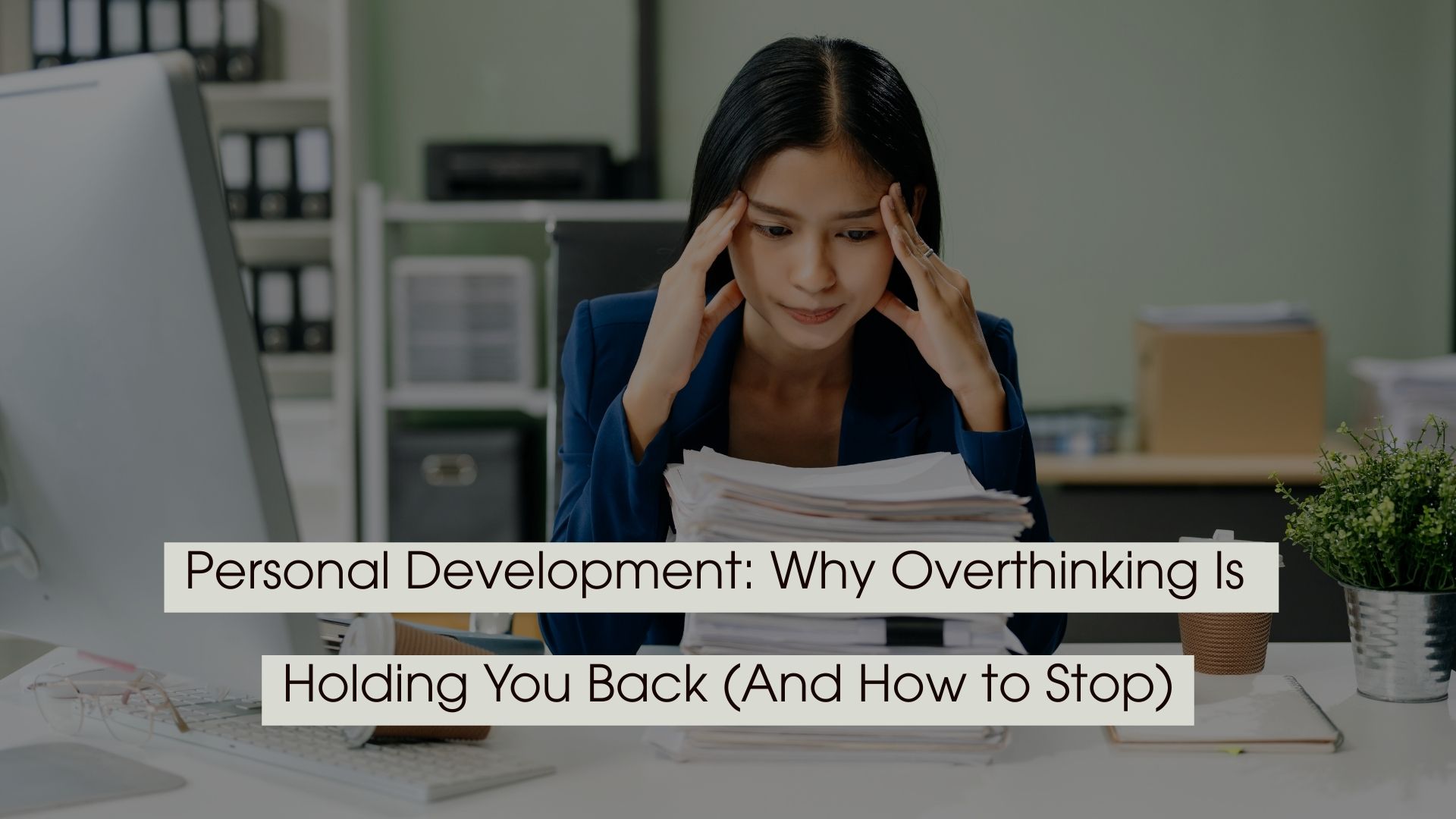
Personal Development: Why Overthinking Is Holding You Back (And How to Stop)
Overthinking feels safe, but it quietly steals your momentum, confidence, and clarity. The more you analyze, the less you act….
How Stop Negative Self-Talk Permanently
Negative self-talk is not permanent, it is a learned pattern that can be rewired. Through awareness, cognitive restructuring, and self-compassion,…