Table of Contents
- Work From Home Burnout Rising With Increased Stress, Long Hours, No Separation
- What Is Remote Work Burnout?
- Why Working From Home Can Be Exhausting
- Signs of Remote Work Burnout
- How Remote Work Affects the Brain
- Strategies to Prevent Remote Work Burnout
- The Future of Remote Work
- Conclusion
- Sources and Further Reading
Working from home was once seen as the ideal work arrangement. Remote work offers flexibility, eliminates commuting time, and allows professionals to work in comfortable environments.
However, many people who work remotely are discovering a surprising challenge: remote work burnout.
While remote work can increase productivity and flexibility, it can also blur the boundaries between personal life and professional responsibilities. Over time, this constant overlap can create mental fatigue and emotional exhaustion.
Burnout occurs when prolonged stress overwhelms a person’s mental and emotional resources. According to the World Health Organization, burnout is characterized by emotional exhaustion, mental detachment from work, and reduced effectiveness.
Understanding why working from home can become exhausting is essential for maintaining productivity and protecting mental health.
Work From Home Burnout Rising With Increased Stress, Long Hours, No Separation
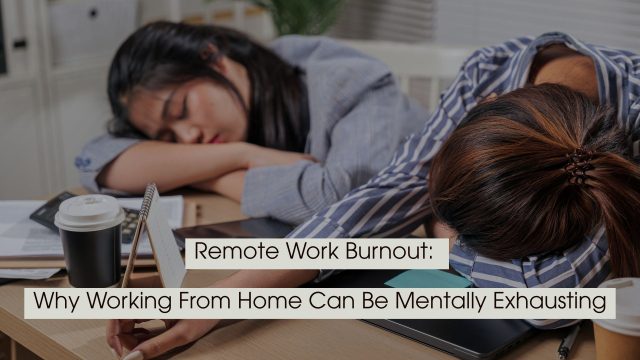
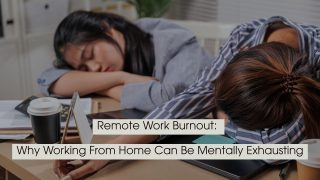
What Is Remote Work Burnout?
Remote work burnout refers to emotional and mental exhaustion caused by prolonged stress related to working from home.
The concept of burnout was extensively studied by Christina Maslach, whose research identified three core symptoms of burnout:
- Emotional exhaustion
- Cynicism or detachment from work
- Reduced professional performance
While these symptoms can appear in any work environment, remote work introduces unique challenges that can increase burnout risk.
Why Working From Home Can Be Exhausting
Blurred Work-Life Boundaries
One of the biggest challenges of remote work is the lack of separation between work and personal life.
Without physical boundaries such as leaving an office, many people find themselves thinking about work even after their workday ends.
This constant mental engagement prevents the brain from fully recovering.
Longer Working Hours
Remote workers often work longer hours than they realize.
Without structured office schedules, individuals may check emails late at night, attend meetings across different time zones, or continue working beyond normal hours.
Over time, extended working hours contribute to chronic stress.
Constant Digital Communication
Remote work relies heavily on digital tools such as emails, messaging apps, and video meetings.
While these tools enable collaboration, they can also create communication overload.
Frequent notifications and back-to-back virtual meetings can quickly drain mental energy.
Social Isolation
Working remotely can reduce opportunities for casual social interaction with coworkers.
While some individuals enjoy solitude, others may feel disconnected from their teams.
Lack of social support can increase emotional stress and reduce motivation.
Difficulty Disconnecting From Work
When work happens in the same space where individuals relax and sleep, it can be difficult to mentally disconnect.
The brain may associate the home environment with work-related stress rather than relaxation.
This lack of separation can contribute to mental fatigue.
Signs of Remote Work Burnout
Remote work burnout often develops gradually. Recognizing early symptoms can help prevent severe exhaustion.
Common burnout symptoms include:
- Persistent fatigue
- Difficulty concentrating
- Reduced motivation
- Increased irritability
- Feeling disconnected from work
- Declining productivity
Research summarized by the American Psychological Association shows that prolonged stress and excessive digital communication can significantly affect mental well-being.
How Remote Work Affects the Brain
Remote work environments often involve continuous screen exposure, multitasking, and digital communication.
These factors place heavy demands on the brain’s prefrontal cortex, the area responsible for decision-making, focus, and problem-solving.
Extended periods of cognitive effort without adequate breaks can lead to cognitive fatigue, reducing mental clarity and emotional resilience.
Over time, this mental strain contributes to burnout.
Strategies to Prevent Remote Work Burnout
Although remote work presents unique challenges, several strategies can help individuals maintain balance and prevent burnout.
Create Clear Work Boundaries
Establish a dedicated workspace that is separate from areas used for relaxation.
Ending the workday by physically leaving the workspace can help signal the brain that work has finished.
Set Defined Work Hours
Maintaining consistent work schedules prevents work from expanding into personal time.
Avoid checking work emails or messages outside designated work hours whenever possible.
Take Regular Breaks
Short breaks throughout the day help restore mental energy and improve concentration.
Stepping away from screens periodically allows the brain to recover.
Maintain Social Connections
Regular communication with colleagues helps reduce feelings of isolation.
Virtual coffee chats, team meetings, or collaborative projects can strengthen team relationships.
Prioritize Physical Activity
Exercise helps reduce stress and improve mental clarity.
Even short walks during the day can significantly improve mood and energy levels.
The Future of Remote Work
Remote work will likely remain a significant part of modern professional life.
Organizations are increasingly recognizing the importance of supporting employee well-being in remote environments.
Companies that encourage work-life balance, flexible schedules, and mental health support can help reduce burnout among remote workers.
Creating healthy remote work practices benefits both employees and organizations.
Conclusion
Remote work offers many advantages, including flexibility and improved work-life balance. However, without proper boundaries and recovery, working from home can also lead to burnout.
Factors such as blurred work-life boundaries, constant digital communication, and social isolation can gradually drain mental energy.
Understanding these challenges allows individuals to create healthier work habits and protect their well-being.
By setting clear boundaries, taking regular breaks, maintaining social connections, and prioritizing recovery, remote workers can enjoy the benefits of working from home without experiencing burnout.
Sustainable productivity in remote work environments requires balancing flexibility with intentional rest and recovery.
Sources and Further Reading
- Christina Maslach – Burnout research and Maslach Burnout Inventory
- World Health Organization – Burnout definition and occupational health studies
- American Psychological Association – Research on workplace stress and mental health
- Maslach, C. & Leiter, M. (2016). Burnout
- Research on remote work and occupational stress
About the Author
David A. Caren is the creator of Emotional Optimization™ – helping high-performing professionals rewire emotional patterns for clarity, calm, and success.
Book a Free Consultation
What causes remote work burnout?
Remote work burnout can be caused by blurred work-life boundaries, longer working hours, constant digital communication, and social isolation.
How can I prevent burnout while working from home?
Setting clear work hours, creating a dedicated workspace, taking regular breaks, and maintaining social connections can help prevent burnout.
Is remote work more stressful than office work?
Remote work can reduce some stressors like commuting but may introduce others, such as isolation and difficulty disconnecting from work.
Can remote work affect mental health?
Yes. Without proper boundaries and support, remote work can increase stress and emotional exhaustion.
Is remote work burnout reversible?
Yes. With healthy routines, boundaries, and proper recovery, individuals can recover from burnout.
Emotional Burnout: Signs, Causes, and How to Recover When Your Mind Feels Exhausted
Emotional burnout occurs when prolonged stress drains your mental and emotional energy. Recognizing the early signs—such as emotional exhaustion, irritability,…

Decision Fatigue and Burnout: The Silent Path to Mental Exhaustion
Decision fatigue is a hidden contributor to burnout. When individuals make too many decisions without rest, mental energy declines, leading…

Emotional Intelligence: The Hidden Skill That Drives Personal Growth
Drives Personal Growth: Emotional intelligence is the hidden skill behind personal growth. By improving self-awareness, emotional control, and empathy, you…
Perfectionism and Burnout: How Perfectionism Leads to Chronic Stress and Emotional Exhaustion
Perfectionism can quietly lead to burnout by creating constant pressure, self-criticism, and unrealistic expectations. Understanding the link between perfectionism and…
Overthinking and Burnout: The Hidden Link Between Mental Overload and Emotional Exhaustion
Overthinking can silently lead to burnout by keeping the brain in a constant state of mental activity. Understanding the link…
Chronic Stress and Burnout: How Long-Term Stress Turns Into Emotional Exhaustion
Chronic stress can gradually evolve into burnout when the brain and body remain under constant pressure without adequate recovery. Recognizing…