
Table of Contents
- Let’s Talk about Perfectionism (Reddit Review)
- What Is Perfectionism?
- Why Perfectionism Increases Burnout Risk
- The Psychological Cycle of Perfectionism and Burnout
- Signs That Perfectionism Is Causing Burnout
- The Impact of Perfectionism on Mental Health
- How to Break the Perfectionism-Burnout Cycle
- Healthy Achievement Without Burnout
- Conclusion
- Sources and Further Reading
Perfectionism is often viewed as a positive trait. Many people believe that striving for flawless performance leads to success, productivity, and recognition. While high standards can motivate individuals to work hard and improve their skills, perfectionism can also create a hidden path toward burnout.
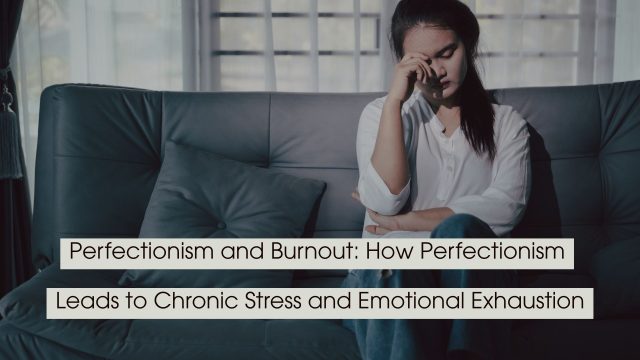
Perfectionism involves setting extremely high expectations for oneself and feeling intense pressure to meet them. When these expectations become unrealistic or constant, the pursuit of perfection can lead to chronic stress, self-criticism, and emotional exhaustion.
Burnout occurs when prolonged stress drains mental, emotional, and physical energy. According to the World Health Organization, burnout is characterized by emotional exhaustion, mental detachment from work, and reduced effectiveness.
Understanding how perfectionism contributes to burnout can help individuals develop healthier approaches to achievement and protect their long-term well-being.
Let’s Talk about Perfectionism (Reddit Review)
What Is Perfectionism?
Perfectionism is a personality trait characterized by striving for extremely high standards and being overly critical of one’s own performance.
Research by Paul Hewitt and Gordon Flett identified different types of perfectionism:
Self-Oriented Perfectionism
This type involves placing extremely high expectations on oneself.
Individuals may feel constant pressure to perform perfectly in every task.
Socially Prescribed Perfectionism
This form occurs when individuals believe others expect them to be perfect.
This perceived pressure often leads to anxiety and stress.
Other-Oriented Perfectionism
This type involves expecting perfection from others.
While less directly related to burnout, it can still contribute to stressful relationships.
Although perfectionism may initially improve performance, long-term perfectionistic thinking can lead to exhaustion and dissatisfaction.
Why Perfectionism Increases Burnout Risk
Perfectionism contributes to burnout in several ways.
Unrealistic Expectations
Perfectionists often set goals that are nearly impossible to achieve consistently.
When expectations remain extremely high, individuals feel constant pressure to perform at an unrealistic level.
Constant Self-Criticism
Even when tasks are completed successfully, perfectionists may focus on small mistakes or imperfections.
This continuous self-evaluation increases emotional stress.
Fear of Failure
Perfectionism often creates an intense fear of making mistakes.
Psychologist Carol Dweck explains that individuals who tie their identity to performance may experience greater stress when facing setbacks.
Fear of failure can lead to anxiety and overwork.
Difficulty Resting
Perfectionists often feel guilty when resting or taking breaks.
They may believe that constant effort is necessary to maintain high standards.
Without adequate recovery, mental fatigue accumulates.
The Psychological Cycle of Perfectionism and Burnout
Perfectionism often follows a repeating cycle that gradually leads to burnout.
- Setting extremely high expectations
- Working excessively to meet those expectations
- Experiencing stress and fatigue
- Criticizing oneself for imperfections
- Increasing pressure to perform better
Over time, this cycle drains emotional energy and reduces motivation.
Signs That Perfectionism Is Causing Burnout
Perfectionistic individuals may experience several warning signs before burnout becomes severe.
Common signs include:
Chronic Fatigue
Working excessively without rest leads to persistent exhaustion.
Procrastination
Perfectionists sometimes delay tasks because they fear not meeting their own high standards.
Loss of Motivation
When expectations feel impossible to achieve, motivation gradually declines.
Irritability and Stress
Constant pressure to perform perfectly increases emotional tension.
Reduced Productivity
Ironically, perfectionism can decrease productivity because individuals spend excessive time refining small details.
Research summarized by the American Psychological Association shows that chronic stress associated with perfectionism can impair concentration and emotional well-being.
The Impact of Perfectionism on Mental Health
Long-term perfectionism can affect mental health in several ways.
Perfectionistic thinking is associated with:
- Anxiety disorders
- Depression
- Chronic stress
- Low self-esteem
These psychological pressures often contribute to burnout when individuals feel unable to meet their own expectations.
How to Break the Perfectionism-Burnout Cycle
Overcoming perfectionism does not mean lowering standards completely. Instead, it involves developing healthier and more realistic expectations.
Set Realistic Goals
Focus on progress rather than perfection.
Setting achievable goals reduces unnecessary pressure.
Practice Self-Compassion
Treat yourself with the same understanding you would offer a friend.
Self-compassion helps reduce harsh self-criticism.
Accept Mistakes as Part of Growth
Mistakes are a natural part of learning and improvement.
Viewing errors as opportunities rather than failures reduces stress.
Prioritize Rest and Recovery
Regular breaks, sleep, and relaxation help restore mental energy.
Rest is essential for preventing burnout.
Focus on Long-Term Sustainability
Sustainable productivity requires balancing effort with recovery.
Working continuously without rest leads to diminishing returns.
Healthy Achievement Without Burnout
It is possible to pursue excellence without falling into the trap of perfectionism.
Healthy achievement focuses on:
- Continuous learning
- Balanced effort
- Realistic expectations
- Personal growth
By shifting from perfection to progress, individuals can maintain motivation while protecting their mental well-being.
Conclusion
Perfectionism may appear beneficial at first, but when expectations become unrealistic and constant, it can lead to chronic stress and burnout.
The pressure to perform flawlessly often results in overwork, self-criticism, and emotional exhaustion.
Recognizing the connection between perfectionism and burnout allows individuals to develop healthier habits and more balanced approaches to success.
By setting realistic goals, practicing self-compassion, and prioritizing rest, individuals can pursue excellence without sacrificing their mental health.
True success is not about perfection, it is about sustainable growth and well-being.
Sources and Further Reading
- Paul Hewitt – Research on perfectionism
- Gordon Flett – Studies on perfectionism and mental health
- Carol Dweck – Research on mindset and performance
- American Psychological Association – Research on stress and mental health
- World Health Organization – Burnout definition and workplace stress research
About the Author
David A. Caren is the creator of Emotional Optimization™ – helping high-performing professionals rewire emotional patterns for clarity, calm, and success.
Book a Free Consultation
Can perfectionism cause burnout?
Yes. Constant pressure to achieve unrealistic standards can lead to chronic stress and emotional exhaustion.
Why do perfectionists feel burned out?
Perfectionists often work excessively, criticize themselves harshly, and struggle to rest, which increases stress levels.
How can I reduce perfectionism?
Setting realistic goals, practicing self-compassion, and accepting mistakes as part of growth can help reduce perfectionistic thinking.
Is perfectionism always harmful?
Not always. Healthy high standards can be motivating, but unrealistic perfectionism can lead to stress and burnout.
Can therapy help with perfectionism?
Yes. Cognitive behavioral therapy and other psychological approaches can help individuals develop healthier thinking patterns.

What Successful People Do Differently Every Day (Daily Habits That Drive Success)
Successful people achieve more by focusing on consistent daily habits rather than relying on motivation. Through discipline, planning, and continuous…


How to Stop Procrastination and Take Action Immediately (Proven Strategies That Work)
Procrastination is driven by avoidance and fear, not laziness. By breaking tasks into small steps, taking immediate action, and removing…

What Is Self-Discipline and Why It Matters: The Foundation of Success and Personal Growth
Self-discipline is the ability to stay committed to your goals, even when motivation fades. By developing consistent habits, strengthening self-control,…

How to Transform Your Life One Day at a Time: Small Daily Changes That Lead to Extraordinary Results
Transform Your Life One Day at a Time: Transforming your life doesn’t happen overnight, it happens one day at a…

How to Develop Unbreakable Self-Discipline: The Ultimate Guide to Building Mental Strength and Consistency
Developing unbreakable self-discipline isn’t about relying on endless motivation or willpower. It’s about building consistent habits, keeping promises to yourself,…
How to Strengthen Your Willpower Every Day: Practical Strategies for Better Self-Control
Strengthening your willpower starts with small, intentional decisions. By reducing distractions, practicing delayed gratification, building supportive routines, and keeping promises…