Table of Contents
- What is Emotional Intelligence?
- What Is Emotional Intelligence?
- The 5 Components of Emotional Intelligence
- Why Emotional Intelligence Is Powerful
- 1. It Improves Decision-Making
- 2. It Strengthens Relationships
- 3. It Reduces Stress
- 4. It Enhances Leadership
- 5. It Boosts Personal Growth
- The Psychology Behind Emotional Intelligence
- Signs of High Emotional Intelligence
- Signs of Low Emotional Intelligence
- How to Develop Emotional Intelligence
- 1. Increase Self-Awareness
- 2. Practice Emotional Control
- 3. Improve Your Listening Skills
- 4. Develop Empathy
- 5. Reflect on Your Behavior
- The Emotional Intelligence Loop
- Common Mistakes to Avoid
- Emotional Intelligence vs IQ
- Why Emotional Intelligence Leads to Success
- Conclusion
- Sources and Further Reading
Most people believe success is driven by intelligence.
But research and real-life experience show something different: Your ability to manage emotions matters more than your ability to think.
This ability is called emotional intelligence (EQ).
It determines how you:
- Handle stress
- Communicate with others
- Make decisions
- Build relationships
Psychologist Daniel Goleman popularized the concept of emotional intelligence, showing that it plays a major role in success and leadership.
In this article, you’ll discover the secret power of emotional intelligence, and how to develop it.
What is Emotional Intelligence?
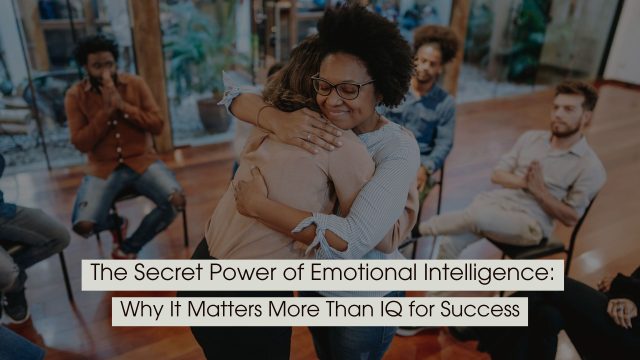
What Is Emotional Intelligence?
Emotional intelligence is the ability to:
- Recognize your emotions
- Understand others’ emotions
- Manage emotional responses
- Use emotions effectively
It is not about avoiding emotions, it’s about controlling and understanding them.
The 5 Components of Emotional Intelligence
According to Daniel Goleman, emotional intelligence consists of five key elements:
1. Self-Awareness
Understanding your emotions and how they affect you.
2. Self-Regulation
Managing your reactions and staying in control.
3. Motivation
Using emotions to stay focused and driven.
4. Empathy
Understanding and connecting with others’ feelings.
5. Social Skills
Building strong relationships and communication.
Why Emotional Intelligence Is Powerful
1. It Improves Decision-Making
Emotions influence your choices.
When you understand them, you make better decisions.
2. It Strengthens Relationships
High EQ helps you:
- Communicate effectively
- Resolve conflicts
- Build trust
3. It Reduces Stress
Managing emotions helps you stay calm under pressure.
4. It Enhances Leadership
Great leaders understand and manage emotions, both their own and others’.
5. It Boosts Personal Growth
Emotional intelligence allows you to learn from experiences and improve.
The Psychology Behind Emotional Intelligence
Emotions are processed in the brain’s limbic system.
Your ability to regulate emotions depends on how well you can manage impulses and reactions.
Psychologist Daniel Kahneman explains that emotional responses often influence decisions before logic does.
Emotional intelligence helps you balance emotion and logic.
Signs of High Emotional Intelligence
People with high EQ:
- Stay calm under pressure
- Listen actively
- Respond instead of reacting
- Show empathy
- Communicate clearly
Signs of Low Emotional Intelligence
People with low EQ may:
- React impulsively
- Struggle with criticism
- Have difficulty understanding others
- Experience frequent conflict
How to Develop Emotional Intelligence
1. Increase Self-Awareness
Pay attention to your emotions.
Ask yourself:
- What am I feeling?
- Why am I feeling this?
2. Practice Emotional Control
Pause before reacting.
Give yourself time to respond thoughtfully.
3. Improve Your Listening Skills
Focus on understanding, not just responding.
4. Develop Empathy
Try to see situations from others’ perspectives.
5. Reflect on Your Behavior
Learn from your experiences and improve.
The Emotional Intelligence Loop
Awareness → Control → Action → Improvement
Each step strengthens your EQ.
Common Mistakes to Avoid
Ignoring Emotions
Suppressing emotions leads to poor decisions.
Reacting Without Thinking
Impulsive reactions damage relationships.
Lack of Empathy
Understanding others is key to connection.
Avoiding Self-Reflection
Growth requires awareness.
Emotional Intelligence vs IQ
IQ measures cognitive ability.
EQ measures emotional ability.
While IQ helps you solve problems: EQ helps you navigate life.
Why Emotional Intelligence Leads to Success
Emotional intelligence allows you to:
- Build strong relationships
- Handle stress effectively
- Communicate clearly
- Make better decisions
It is one of the most valuable skills in personal development.
Conclusion
Emotional intelligence is the hidden skill behind success.
It shapes how you think, act, and connect with others.
By developing self-awareness, controlling your emotions, and improving your relationships, you can unlock a powerful advantage in life.
Personal development is not just about what you know, it’s about how you manage yourself and others.
Because in the end, emotional intelligence is not just a skill, it’s a superpower.
Sources and Further Reading
- Daniel Goleman – Emotional intelligence theory
- Daniel Kahneman – Decision-making psychology
- Goleman, D. (1995). Emotional Intelligence
About the Author
David A. Caren is the creator of Emotional Optimization™ – helping high-performing professionals rewire emotional patterns for clarity, calm, and success.
Book a Free Consultation
What is emotional intelligence?
The ability to understand and manage emotions.
Why is emotional intelligence important?
It improves relationships, decisions, and stress management.
Can emotional intelligence be learned?
Yes. It can be developed through practice.
What are the key components of EQ?
Self-awareness, self-regulation, motivation, empathy, and social skills.
Is EQ more important than IQ?
In many areas of life, yes.

How to Transform Your Life One Day at a Time: Small Daily Changes That Lead to Extraordinary Results
Transform Your Life One Day at a Time: Transforming your life doesn’t happen overnight, it happens one day at a…


How to Develop Unbreakable Self-Discipline: The Ultimate Guide to Building Mental Strength and Consistency
Developing unbreakable self-discipline isn’t about relying on endless motivation or willpower. It’s about building consistent habits, keeping promises to yourself,…
How to Strengthen Your Willpower Every Day: Practical Strategies for Better Self-Control
Strengthening your willpower starts with small, intentional decisions. By reducing distractions, practicing delayed gratification, building supportive routines, and keeping promises…

Personal Development: The Growth Mindset Formula, How to Rewire Your Brain for Success
Personal development begins with one powerful belief: you can improve. The growth mindset formula teaches you how to rewire your…
Personal Development: Why Overthinking Is Holding You Back (And How to Stop)
Overthinking feels safe, but it quietly steals your momentum, confidence, and clarity. The more you analyze, the less you act….

How Stop Negative Self-Talk Permanently
Negative self-talk is not permanent, it is a learned pattern that can be rewired. Through awareness, cognitive restructuring, and self-compassion,…