Table of Contents
- What Is Self-Discipline?
- Why Self-Discipline Matters
- The Psychology Behind Self-Discipline
- Self-Discipline vs Motivation
- Signs You Have Strong Self-Discipline
- How Self-Discipline Improves Your Life
- How to Build Self-Discipline
- Common Mistakes That Weaken Self-Discipline
- Daily Habits That Strengthen Self-Discipline
- Why Self-Discipline Is the Key to Success
- Conclusion
- Sources and Further Reading
- Frequently Asked Questions (FAQ
Why do some people consistently achieve their goals while others struggle to follow through?
The answer often isn’t intelligence, talent, or luck.
It’s self-discipline.
Self-discipline is one of the most powerful skills you can develop because it helps you take action even when you don’t feel motivated. It allows you to stay focused, resist distractions, and make decisions that support your long-term goals instead of your short-term desires.
Whether you want to improve your health, grow your career, build better habits, or achieve financial success, self-discipline is the foundation that makes lasting progress possible.
In this guide, you’ll learn what self-discipline is, why it matters, and how you can strengthen it to create a more successful and fulfilling life.
What Is Self-Discipline?
Self-discipline is the ability to control your thoughts, emotions, and behaviors in order to achieve long-term goals.
It means choosing what is important over what is easy.
A disciplined person doesn’t avoid temptation because they never feel it.
Instead, they learn to manage temptation and continue taking action despite discomfort.
Self-discipline includes:
- Following through on commitments
- Managing distractions
- Delaying gratification
- Staying consistent
- Making intentional decisions
- Maintaining healthy habits
Simply put:
Self-discipline is doing what needs to be done, even when you don’t feel like doing it.
Why Self-Discipline Matters
Self-discipline affects nearly every area of your life.
When you develop this skill, you become more capable of creating the future you want instead of reacting to your circumstances.
Benefits of self-discipline include:
- Greater productivity
- Better physical health
- Increased confidence
- Stronger emotional resilience
- Improved financial habits
- Better relationships
- Higher career performance
The more disciplined you become, the more control you gain over your life.
The Psychology Behind Self-Discipline
Psychologist Roy F. Baumeister’s research on self-control suggests that disciplined behavior plays a major role in long-term achievement.
People with strong self-discipline are more likely to:
- Reach their goals
- Maintain healthy routines
- Manage stress effectively
- Make better decisions
Research also shows that self-discipline often predicts success more accurately than intelligence alone.
Self-Discipline vs Motivation
Many people confuse discipline with motivation.
They’re not the same.
Motivation
- Emotional
- Temporary
- Unpredictable
- Depends on how you feel
Self-Discipline
- Consistent
- Reliable
- Habit-based
- Independent of mood
Motivation helps you start.
Self-discipline helps you continue.
That’s why disciplined people make progress even on difficult days.
Signs You Have Strong Self-Discipline
You likely have strong self-discipline if you:
- Finish what you start
- Follow routines consistently
- Resist unnecessary distractions
- Manage your time effectively
- Keep promises to yourself
- Prioritize long-term success over short-term comfort
These habits create momentum that compounds over time.
How Self-Discipline Improves Your Life
1. Helps You Achieve Goals
Goals require consistent action.
Discipline ensures you keep moving forward even when motivation fades.
2. Builds Better Habits
Positive habits become easier to maintain through repetition and discipline.
Over time, healthy choices become automatic.
3. Increases Confidence
Every time you keep a promise to yourself, you strengthen self-trust.
Confidence grows from consistent action—not empty motivation.
4. Reduces Stress
Disciplined people are less likely to procrastinate.
Planning ahead and following routines reduces unnecessary pressure.
5. Strengthens Mental Toughness
Discipline teaches you to remain committed even when life becomes difficult.
Resilience grows through repeated acts of self-control.
How to Build Self-Discipline
Start Small
Don’t try to change your entire life overnight.
Begin with one manageable habit.
Examples:
- Read for 10 minutes
- Exercise for 20 minutes
- Wake up at the same time daily
Small wins create momentum.
Create Daily Routines
Successful people reduce decision fatigue by following consistent routines.
Create systems that make positive behaviors easier.
Remove Temptations
Design your environment to support good decisions.
For example:
- Turn off unnecessary notifications
- Keep healthy food available
- Create a dedicated workspace
Environment often influences behavior more than willpower alone.
Focus on Consistency
Missing one day doesn’t ruin your progress.
The goal is to return to your habits quickly.
Consistency always beats perfection.
Practice Delayed Gratification
Learn to delay immediate pleasure for greater long-term rewards.
Every time you make this choice, your self-discipline becomes stronger.
Common Mistakes That Weaken Self-Discipline
Relying Only on Motivation
Motivation changes daily.
Discipline creates stability.
Setting Unrealistic Goals
Start small and build gradually.
Trying to Change Everything at Once
Focus on one habit before adding another.
Giving Up After Setbacks
Progress is never perfect.
One mistake doesn’t erase your progress.
Daily Habits That Strengthen Self-Discipline
Build routines such as:
- Exercising every morning
- Reading daily
- Planning your day
- Tracking your habits
- Practicing gratitude
- Limiting distractions
- Going to bed consistently
These habits reinforce discipline over time.
Why Self-Discipline Is the Key to Success
Talent can create opportunity.
Motivation can create excitement.
But self-discipline creates results.
People who consistently improve are not always the smartest or the most gifted.
They’re often the ones who continue showing up every day.
Self-discipline transforms potential into achievement.
Conclusion
Self-discipline is one of the most valuable skills you can develop.
It helps you stay consistent, overcome obstacles, and make decisions that align with your long-term goals.
The good news is that discipline isn’t something you’re born with.
It’s a skill you build through daily practice.
Start small.
Stay consistent.
Trust the process.
Because every disciplined decision you make today shapes the person you’ll become tomorrow.
Sources and Further Reading
- Roy F. Baumeister & John Tierney. Willpower: Rediscovering the Greatest Human Strength (2011)
- James Clear. Atomic Habits: An Easy & Proven Way to Build Good Habits and Break Bad Ones (2018)
- Charles Duhigg. The Power of Habit: Why We Do What We Do in Life and Business (2012)
- Carol Dweck. Mindset: The New Psychology of Success (2006)
- Angela Duckworth. Grit: The Power of Passion and Perseverance (2016)
- Stephen R. Covey. The 7 Habits of Highly Effective People (1989)
About the Author
David A. Caren is the creator of Emotional Optimization™ – helping high-performing professionals rewire emotional patterns for clarity, calm, and success.
Book a Free Consultation
Frequently Asked Questions (FAQ
What is self-discipline?
Self-discipline is the ability to control your actions, emotions, and behaviors to achieve long-term goals.
Why is self-discipline important?
It helps you stay consistent, build better habits, improve productivity, and achieve lasting success.
Is self-discipline more important than motivation?
Yes. Motivation is temporary, while self-discipline helps you continue taking action regardless of how you feel.
Can self-discipline be learned?
Absolutely. Self-discipline is a skill that becomes stronger through consistent practice.
What is the fastest way to improve self-discipline?
Start with one small daily habit, remove distractions, and focus on consistency instead of perfection.

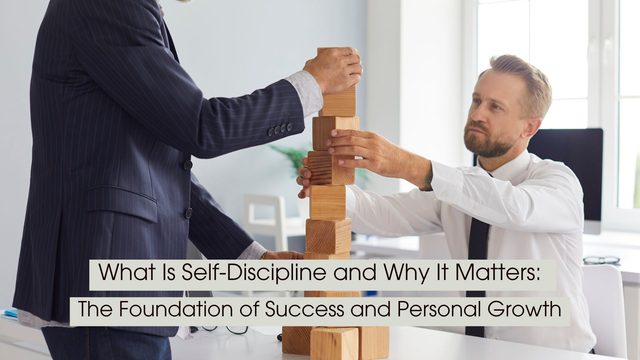
What Is Self-Discipline and Why It Matters: The Foundation of Success and Personal Growth
Self-discipline is the ability to stay committed to your goals, even when motivation fades. By developing consistent habits, strengthening self-control,…


How to Transform Your Life One Day at a Time: Small Daily Changes That Lead to Extraordinary Results
Transform Your Life One Day at a Time: Transforming your life doesn’t happen overnight, it happens one day at a…

How to Develop Unbreakable Self-Discipline: The Ultimate Guide to Building Mental Strength and Consistency
Developing unbreakable self-discipline isn’t about relying on endless motivation or willpower. It’s about building consistent habits, keeping promises to yourself,…
How to Strengthen Your Willpower Every Day: Practical Strategies for Better Self-Control
Strengthening your willpower starts with small, intentional decisions. By reducing distractions, practicing delayed gratification, building supportive routines, and keeping promises…
Personal Development: The Growth Mindset Formula, How to Rewire Your Brain for Success
Personal development begins with one powerful belief: you can improve. The growth mindset formula teaches you how to rewire your…
Personal Development: Why Overthinking Is Holding You Back (And How to Stop)
Overthinking feels safe, but it quietly steals your momentum, confidence, and clarity. The more you analyze, the less you act….