Table of Contents
- How To Change Your Brain with Positive Thinking
- What Is Positive Thinking?
- How Mindset Affects Your Success
- The Science Behind Positive Thinking
- Positive Thinking vs Negative Thinking
- Benefits of Positive Thinking
- How to Develop a Positive Mindset
- The Role of Growth Mindset
- Common Misconceptions About Positive Thinking
- Positive Thinking and Daily Habits
- Conclusion
- Sources and Further Reading
Your thoughts shape your reality.
The way you think influences your decisions, actions, and ultimately, your results. This is why positive thinking is more than just a motivational idea, it’s a powerful tool for personal development and success.
Positive thinking does not mean ignoring problems or pretending everything is perfect. It means approaching challenges with a mindset focused on growth, solutions, and possibility.
Psychologist Martin Seligman, a pioneer of positive psychology, emphasizes that optimism can improve performance, resilience, and overall well-being.
Understanding how mindset affects success can help you take control of your thoughts, and your future.
How To Change Your Brain with Positive Thinking

What Is Positive Thinking?
Positive thinking is the practice of focusing on constructive thoughts and outcomes.
It involves:
- Believing in your ability to improve
- Expecting positive outcomes
- Viewing challenges as opportunities
It is not about avoiding reality, it is about responding to it in a productive way.
How Mindset Affects Your Success
Your mindset influences how you:
- Handle challenges
- Respond to failure
- Take action
- Stay motivated
A positive mindset encourages persistence, while a negative mindset often leads to doubt and inaction.
The Science Behind Positive Thinking
Positive thinking affects both the brain and behavior.
Research shows that optimism can:
- Reduce stress
- Improve problem-solving
- Increase resilience
According to American Psychological Association, positive thinking is linked to better mental health and performance.
Positive Thinking vs Negative Thinking
Positive Thinking
- Focuses on solutions
- Encourages action
- Builds confidence
- Supports growth
Negative Thinking
- Focuses on problems
- Creates fear and doubt
- Reduces motivation
- Limits potential
Your thinking patterns shape your behavior and results.
Benefits of Positive Thinking
1. Improved Confidence
Believing in yourself increases your willingness to take action.
2. Better Stress Management
Positive thinking helps you handle challenges more effectively.
3. Increased Motivation
Optimism encourages persistence and effort.
4. Stronger Resilience
A positive mindset helps you recover from setbacks.
5. Enhanced Decision-Making
Clear and constructive thinking leads to better choices.
How to Develop a Positive Mindset
1. Practice Self-Awareness
Notice your thoughts and identify negative patterns.
2. Reframe Negative Thoughts
Replace negative thoughts with constructive ones.
Example:
- “I can’t do this” → “I can improve with effort”
3. Focus on Solutions
Instead of dwelling on problems, look for ways to solve them.
4. Surround Yourself With Positivity
Your environment influences your mindset.
Choose people and content that support growth.
5. Practice Gratitude
Gratitude shifts your focus toward positive experiences.
6. Take Action
Action reinforces positive thinking.
Success builds confidence and optimism.
The Role of Growth Mindset
Psychologist Carol Dweck explains that a growth mindset helps individuals:
- Embrace challenges
- Learn from failure
- Persist through difficulties
Combining positive thinking with a growth mindset creates powerful results.
Common Misconceptions About Positive Thinking
It Means Ignoring Problems
Positive thinking acknowledges challenges but focuses on solutions.
It Guarantees Success
Positive thinking supports success but must be combined with action.
It Is Always Easy
Developing a positive mindset requires practice and consistency.
Positive Thinking and Daily Habits
Your mindset is shaped by daily habits.
Simple habits include:
- Journaling
- Affirmations
- Reflection
- Goal setting
These practices reinforce positive thinking over time.
Conclusion
The power of positive thinking lies in its ability to shape your mindset, behavior, and outcomes.
By focusing on solutions, maintaining optimism, and taking consistent action, you can improve your confidence, resilience, and success.
Personal development is not just about what you do, it’s about how you think.
When you train your mind to see opportunities instead of obstacles, you unlock your potential and create a path toward meaningful success.
Your thoughts are powerful. Use them wisely.
Sources and Further Reading
- Martin Seligman – Positive psychology research
- Carol Dweck – Growth mindset theory
- American Psychological Association – Research on mental health and behavior
- Seligman, M. (2011). Flourish
- Dweck, C. (2006). Mindset
About the Author
David A. Caren is the creator of Emotional Optimization™ – helping high-performing professionals rewire emotional patterns for clarity, calm, and success.
Book a Free Consultation
What is positive thinking?
Positive thinking is focusing on constructive thoughts and solutions rather than problems.
Does positive thinking improve success?
Yes. It improves confidence, motivation, and resilience.
Can mindset really affect results?
Yes. Mindset influences behavior, decisions, and performance.
How can I develop positive thinking?
Practice self-awareness, reframe negative thoughts, and focus on solutions.
Is positive thinking enough for success?
No. It must be combined with action and consistent effort.
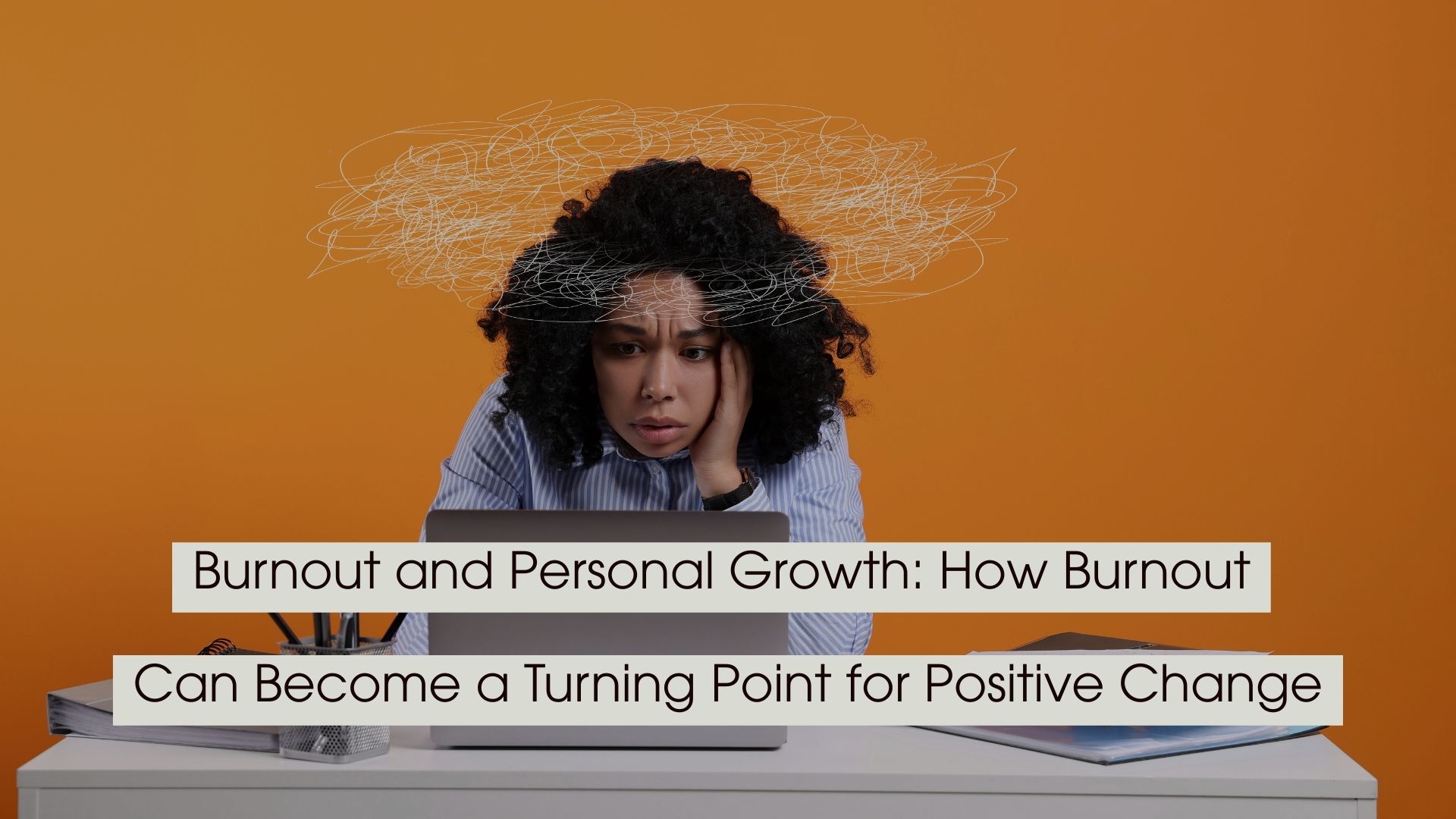
Burnout and Personal Growth: How Burnout Can Become a Turning Point for Positive Change
Burnout can feel overwhelming, but it can also become a turning point for personal growth. By reassessing priorities, building resilience,…

Personal Development: How to Train Your Brain to Think Positively and Stay Motivated
Training your brain to think positively can improve motivation, resilience, and overall personal development. By practicing self-awareness, gratitude, and constructive…
Emotional Optimization: How to Manage Your Energy, Think Clearly, and Perform at Your Best
Have you ever noticed how the same task can feel completely different depending on your emotional state? On some days, you…
How to Train Your Brain for Discipline and Focus (Science-Backed Strategies That Work)
Training your brain for discipline and focus requires consistent practice, strong habits, and the right environment. By building routines and…

How to Prevent Burnout Before It Starts (Proven Strategies to Protect Your Energy and Well-Being)
Burnout doesn’t happen overnight. It builds slowly, through stress, overwork, lack of rest, and constant pressure, until your energy is drained…

Why You Keep Losing Discipline and How to Get It Back
If you keep losing discipline, the problem may not be a lack of willpower. Unrealistic routines, unclear priorities, distractions, and…