Person jogging outdoors along a path beside a stone wall and greenery, representing steady progress and daily consistency, with the text “The Power of Consistency: Why Small Actions Matter More Than Big Efforts” displayed across the image.

Most people believe success comes from big actions.

A major breakthrough. A huge effort. A life-changing moment.

But the truth is: Success is built through small actions repeated consistently over time.

It’s not what you do once, it’s what you do every day.

Consistency may seem simple, even boring. But it is one of the most powerful forces in personal development.

According to James Clear, small habits, when repeated daily, can lead to remarkable long-term results.

In this article, you’ll learn why consistency matters, how small actions create big outcomes, and how to build consistent habits that lead to success.

What is Consistency | Explained in 2 min
Person jogging outdoors along a path beside a stone wall and greenery, representing steady progress and daily consistency, with the text “The Power of Consistency: Why Small Actions Matter More Than Big Efforts” displayed across the image.

What Is Consistency?

Consistency means taking action regularly, even when you don’t feel like it.

It involves:

  • Repeating behaviors daily
  • Maintaining habits over time
  • Showing up regardless of mood

Consistency is what turns actions into results.

Why Small Actions Matter

Small actions may seem insignificant in the moment—but they compound over time.

Example:

  • Reading 10 pages a day → 3,650 pages a year
  • Saving a small amount daily → large savings over time

These small efforts create meaningful change.

The Power of Compounding

Consistency works like compound interest.

Each small action builds on the previous one.

Over time, this creates exponential growth.

This is why:

  • Small improvements lead to big results
  • Daily habits shape long-term success

Why Consistency Beats Intensity

Many people focus on intense effort:

  • Working long hours occasionally
  • Making big changes quickly

But this approach often leads to burnout.

Consistency, on the other hand:

  • Is sustainable
  • Builds momentum
  • Creates lasting results

The Science Behind Consistency

Habits are formed through repetition.

Psychologist B. F. Skinner showed that behavior is reinforced through repeated actions and rewards.

Over time, repeated behavior becomes automatic.

This is how consistency turns effort into habit.

How Consistency Builds Success

Consistency leads to:

  • Skill development
  • Improved productivity
  • Increased confidence
  • Long-term achievement

Each small action contributes to progress.

How to Build Consistency

1. Start Small

Small habits are easier to maintain.

Example:

  • 5 minutes of work instead of 1 hour

2. Focus on Daily Action

Make consistency your priority.

Show up every day, even if the effort is small.

3. Create Systems

Systems make consistency easier.

According to James Clear, systems drive behavior more than goals.

4. Track Your Progress

Tracking reinforces consistency.

Seeing progress motivates continued action.

5. Remove Friction

Make habits easy to perform.

Reduce obstacles that prevent action.

6. Accept Imperfection

You don’t need to be perfect, just consistent.

Missing a day does not ruin progress.

The Consistency Loop

Consistency builds momentum: Action → Progress → Confidence → More Action

Each step reinforces the next.

Common Mistakes to Avoid

Waiting for Motivation

Motivation fades, consistency remains.

Doing Too Much at Once

Start small and build gradually.

Giving Up Too Early

Consistency takes time.

Ignoring Systems

Without structure, consistency is difficult.

Real-Life Impact of Consistency

Consistency affects every area of life:

  • Health → regular exercise
  • Career → skill development
  • Finances → saving and investing
  • Relationships → regular communication

Small actions create long-term results.

Why Consistency Is the Ultimate Advantage

Consistency is powerful because:

  • It is sustainable
  • It builds habits
  • It compounds results
  • It creates discipline

In a world where most people quit, consistency sets you apart.

Conclusion

The power of consistency lies in its simplicity.

Small actions may seem insignificant, but when repeated daily, they create extraordinary results.

Personal development is not about big, dramatic changes, it’s about consistent progress.

Start small. Stay consistent. Trust the process.

Because in the end, it’s not what you do once that matters, it’s what you do every day.

Sources and Further Reading

  • James Clear – Habit formation
  • B. F. Skinner – Behavioral psychology
  • Clear, J. (2018). Atomic Habits

About the Author

David A. Caren is the creator of Emotional Optimization™ – helping high-performing professionals rewire emotional patterns for clarity, calm, and success.

Book a Free Consultation

Why is consistency important?

Consistency builds habits and leads to long-term results.u003cbru003e

Do small actions really matter?

Yes. Small actions compound over time.u003cbru003e

How can I stay consistent?

Start small, create systems, and track your progress.u003cbru003e

Is consistency better than motivation?

Yes. Consistency is reliable, while motivation is temporary.u003cbru003e

Can consistency change your life?

Yes. It shapes behavior and long-term outcomes.

Tap Into Your Emotional Superpowers:

Reclaim Your Mental & Emotional Resources To Do More, Be More, & LIVE More Fully

The Desire: Reclaim Your Joy, Purpose & Inner Peace with Emotional Optimization

In the hustle and bustle of today's world, do you feel like your emotions are on a rollercoaster with no brakes? Caught in a relentless storm of stress, anxiety, and uncertainty; it's all too easy to feel lost, disconnected from your true self, and powerless in steering the course of your own life.

In the bustling rhythm of modern life, where achievements are often measured in milestones and material success, it's easy to overlook the silent whispers of our inner selves. Like a ship navigating a vast, unpredictable ocean, we often find ourselves lost in the storms of overwhelm, stress, anxiety, and unfulfilled desires. This is the journey of every single soul searching for a ray of light in the darkness - a calm, peaceful, fulfilled life with emotional serenity, inner confidence and strength. Emotional Optimization is a way to navigate your inner world, to release the energy you've been wasting on old triggers and buttons, and to reclaim your mental and emotional resources so you can do more in life, create a bigger impact on the world, and live life more fully on your terms as you continue your journey to emotional mastery.

The Challenge: Emotional Triggers & Unresolved Traumas

Pause for a moment and imagine the heavy toll those unchecked emotions are having on your life. Relationships strained to their breaking points, opportunities slipping like sand through your fingers, and a constant, gnawing sense of not living up to your full potential. This isn't just about facing daily hurdles; it's about the very essence of your happiness and fulfillment being eroded away, day after draining day, WASTING your precious life REACTING to unresolved emotional triggers and old traumas.

Imagine walking through a labyrinth, where each turn represents a challenge, a moment of doubt, or a trigger of unresolved emotion. This is the odyssey of the modern high achiever. Despite the outward success, there always seems to be an underlying struggle - a battle with emotions that feel like uncharted waters. In an age where the pursuit of happiness often leads to more questions than answers, many find themselves adrift, caught in a cycle of emotional highs and lows, constantly looking for a safe place where they can achieve balance, peace, and genuine fulfillment.


The Solution: Emotional Optimization

This is where Emotional Optimization comes in. David's highly personalized coaching program is designed to equip you with the tools and strategies you need to understand, manage, and transform your emotions. By mastering emotional intelligence, you unlock the door to improved communication, stronger relationships, and heightened self-awareness. It's time to reclaim all the mental and emotional resources you've been wasting in the background on the subconscious emotional triggers from past traumas and unresolved emotions. You deserve to live FREE from the emotional baggage and burdens of your past. It's time to step into peace, confidence, and clarity, so you can be more present, have deeper relationships, and feel more fulfilled in life.

Benefits:

  • Enhanced Emotional Intelligence: Elevate your ability to understand, process, use, & manage your emotions in positive ways to relieve stress, communicate effectively, empathize with others, overcome challenges, & make choices that align with your deepest values & aspirations.
  • Improved Relationships: Transform your personal and professional relationships through self-reflection, better communication, empathy, and emotional understanding.
  • Increased Emotional Resilience: Build a robust emotional foundation that enables you to navigate life's ups & downs with grace & poise, turning potential setbacks into opportunities for growth. Arm yourself with resilience that turns life's fiercest storms into moments of strength & empowerment.
  • Personal and Professional Growth: Unlock your full potential by harnessing the power of emotional optimization to achieve your goals, boost productivity, and amplify a sense of accomplishment, satisfaction, and fulfillment in all areas of life.

About The Author

David's Team

Let's Connect!

Leave a comment

Your email address will not be published. Required fields are marked

{"email":"Email address invalid","url":"Website address invalid","required":"Required field missing"}
A thoughtful woman with curly hair rests her chin on her hand while looking off to the side against a dark background, symbolizing composure and reflection, with the text “How to Stay Calm Under Pressure: Proven Strategies for Emotional Control and Clear Thinking” displayed across the image.

How to Stay Calm Under Pressure: Proven Strategies for Emotional Control and Clear Thinking

How to Stay Calm Under Pressure: Staying calm under pressure is a skill that can be developed through emotional control, self-awareness, and stress management. By learning to pause, breathe, and think clearly, you can handle difficult situations with confidence and resilience.

Read More
Two women jogging together outdoors in a city setting smile at each other while running, symbolizing resilience, strength, and positive mindset, with the text “Building Mental Toughness in Everyday Life: How to Stay Strong, Resilient, and Unshakable” displayed across the image.

Building Mental Toughness in Everyday Life: How to Stay Strong, Resilient, and Unshakable

Building Mental Toughness: Mental toughness is built through everyday habits like discipline, emotional control, and resilience. By embracing discomfort and staying consistent, you can strengthen your mind and handle life’s challenges with confidence.

Read More
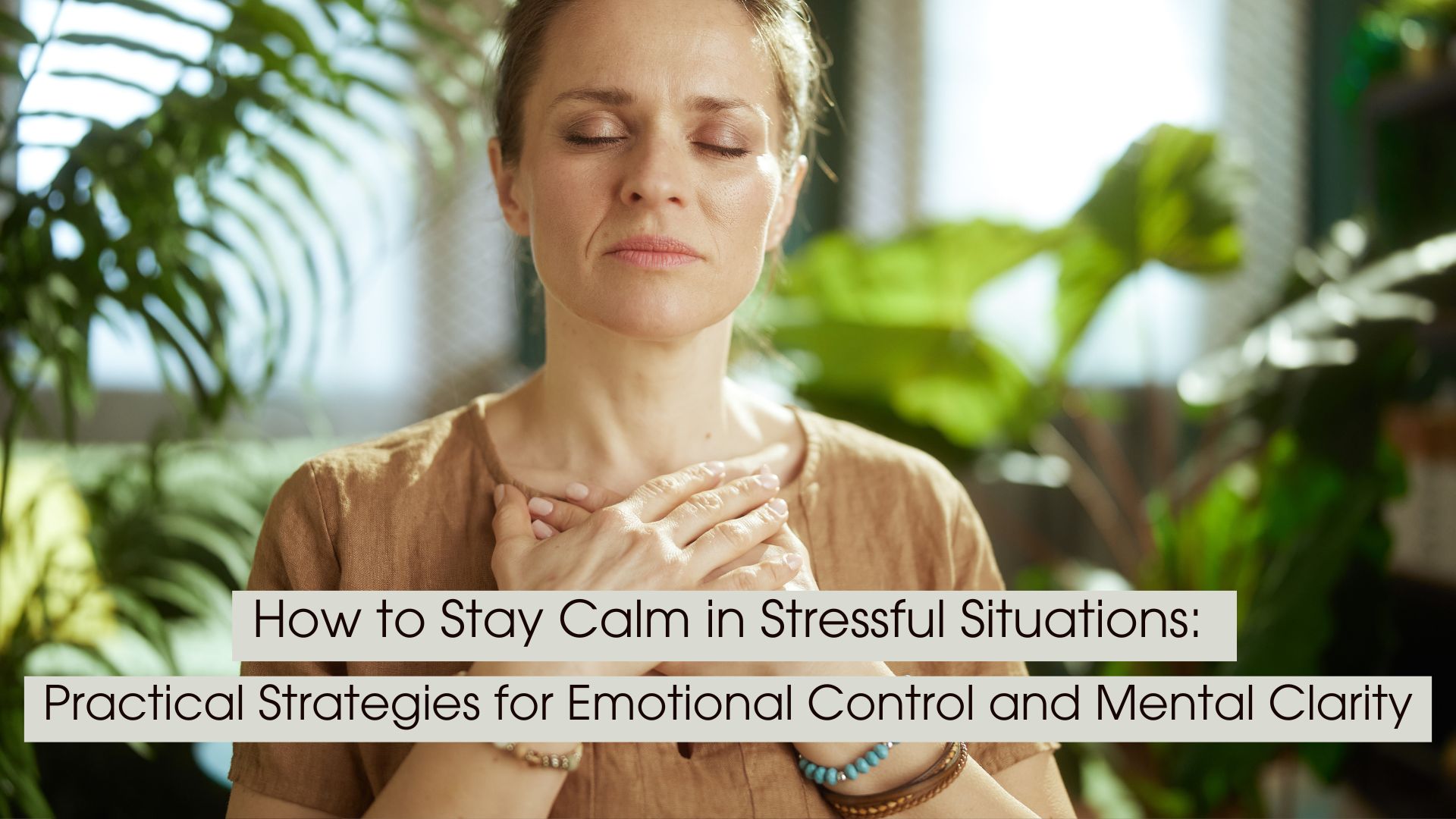
A peaceful woman with closed eyes places both hands over her chest in a calming indoor space filled with natural light and plants, symbolizing emotional regulation, mindfulness, and inner peace, with the text “How to Stay Calm in Stressful Situations: Practical Strategies for Emotional Control and Mental Clarity” displayed across the image.

How to Stay Calm in Stressful Situations: Practical Strategies for Emotional Control and Mental Clarity

How to Stay Calm in Stressful Situations: Staying calm in stressful situations is a skill built through emotional awareness, self-control, and stress management. By learning to pause, breathe, and focus clearly, you can respond with resilience instead of panic.

Read More
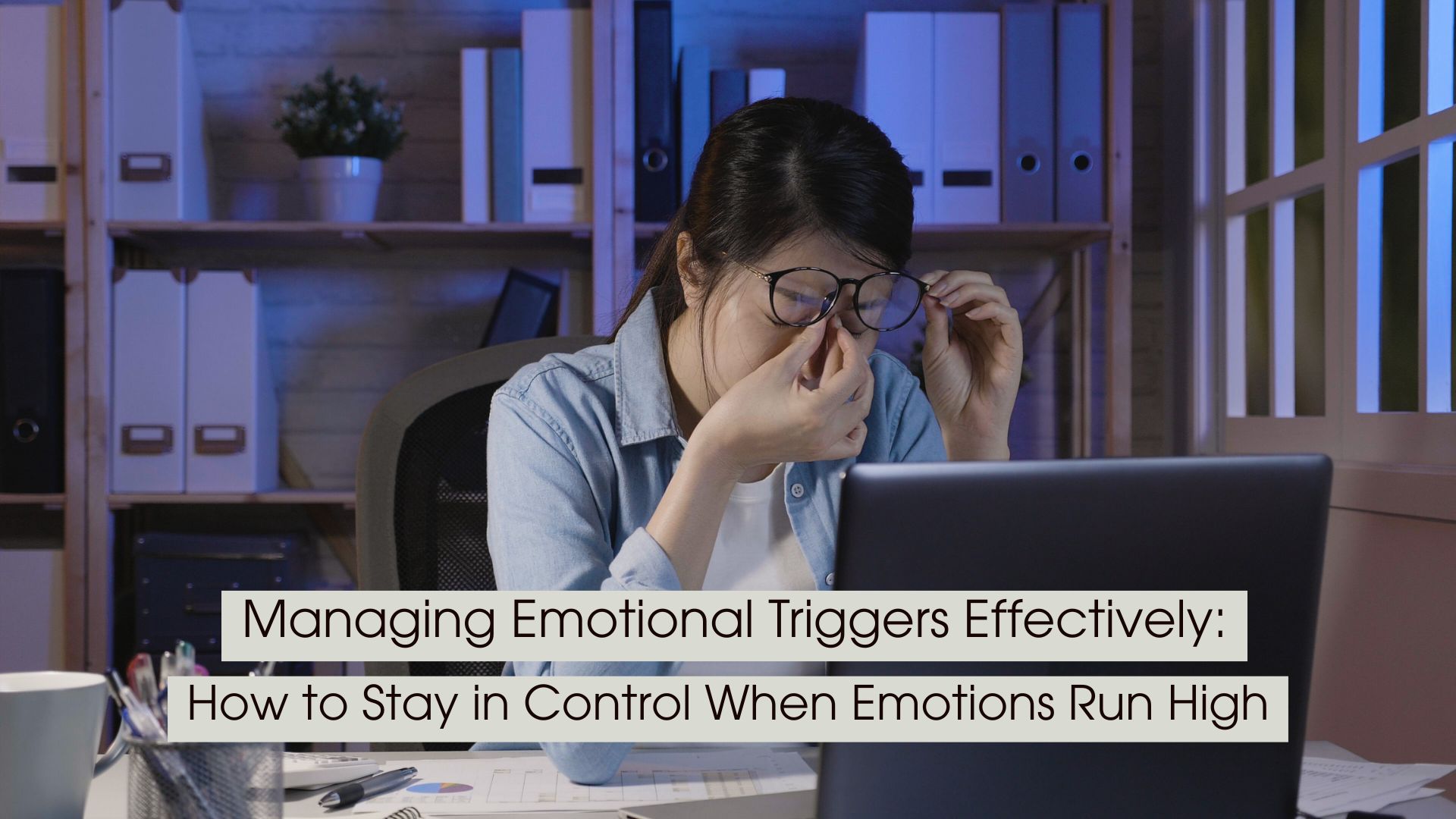
A tired woman working late at a desk rubs the bridge of her nose while sitting in front of a laptop, illustrating emotional overwhelm, stress, and trigger management in a high-pressure environment, with the text “Managing Emotional Triggers Effectively: How to Stay in Control When Emotions Run High” displayed across the image.

Managing Emotional Triggers Effectively: How to Stay in Control When Emotions Run High

A tired woman working late at a desk rubs the bridge of her nose while sitting in front of a laptop, illustrating emotional overwhelm, stress, and trigger management in a high-pressure environment, with the text “Managing Emotional Triggers Effectively: How to Stay in Control When Emotions Run High” displayed across the image.

Read More
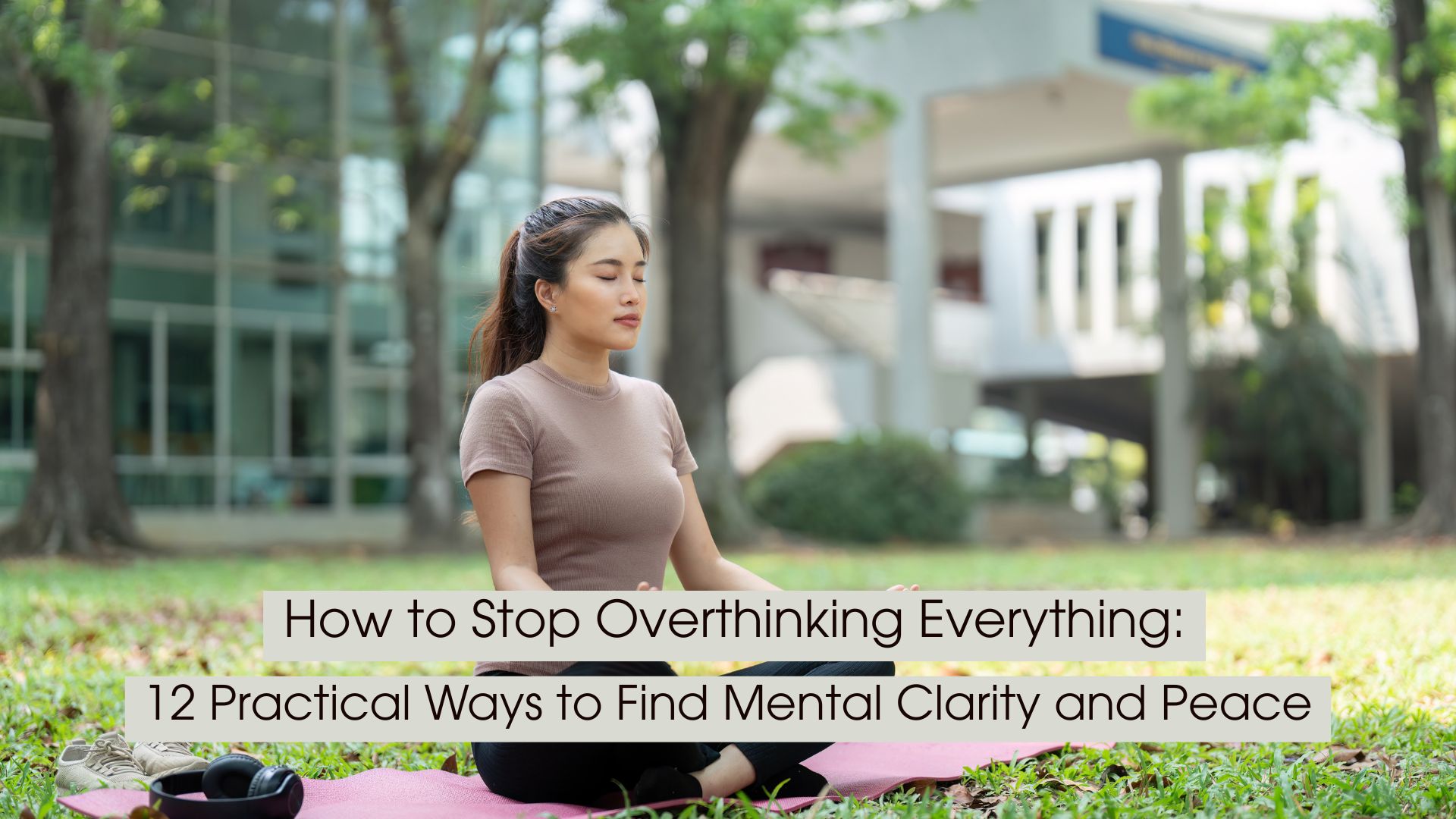
A woman sits cross-legged on a pink yoga mat in a peaceful green outdoor setting, meditating with her eyes closed. The image features the title “How to Stop Overthinking Everything: 12 Practical Ways to Find Mental Clarity and Peace,” symbolizing mindfulness, emotional balance, stress relief, and inner peace.

How to Stop Overthinking Everything: 12 Practical Ways to Find Mental Clarity and Peace

Overthinking can turn ordinary decisions, conversations, and future plans into exhausting mental loops. Discover 12 practical ways to stop overthinking everything, reduce rumination, manage uncertainty, make clearer decisions, and spend more time taking meaningful action.

Read More
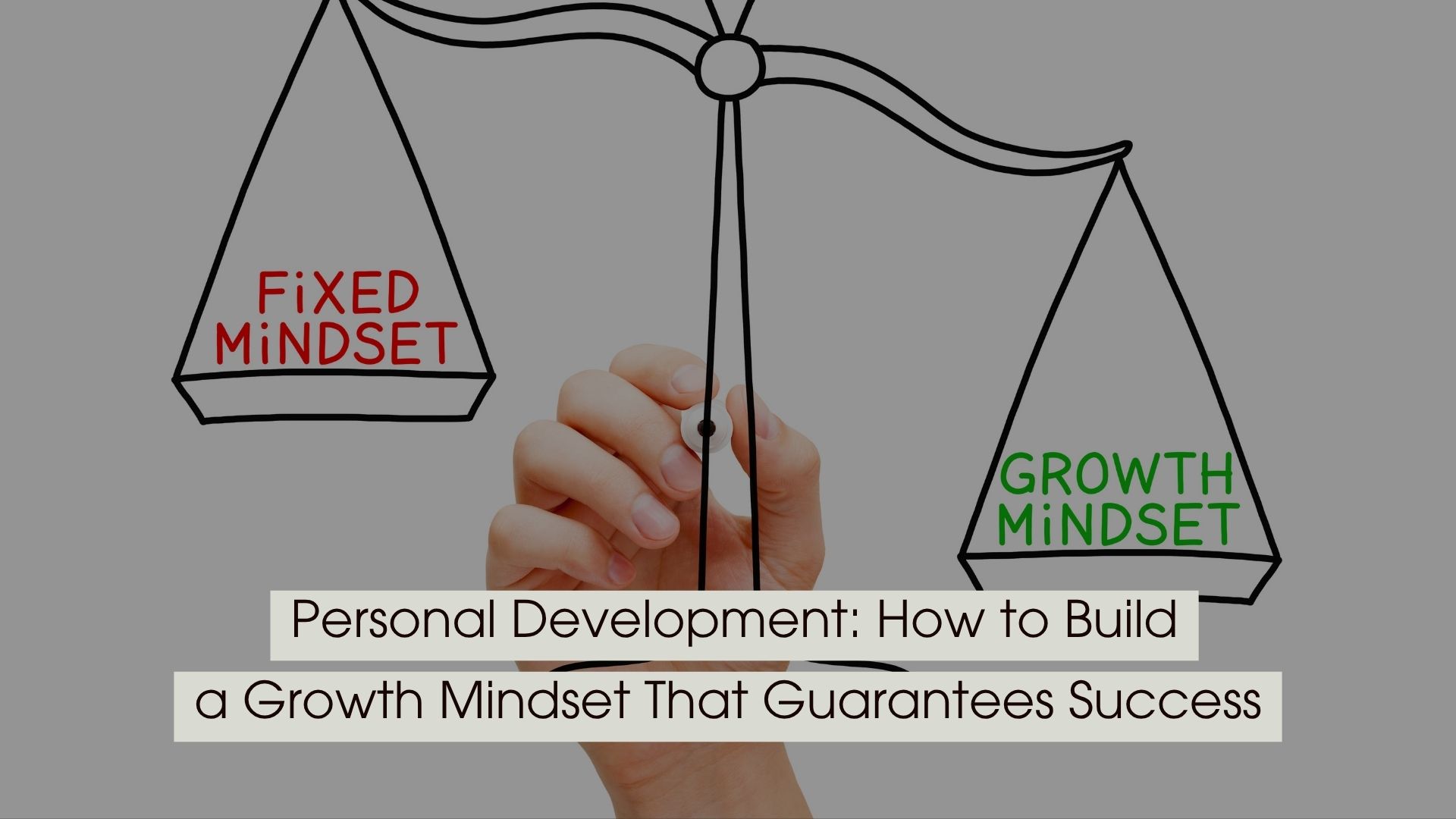
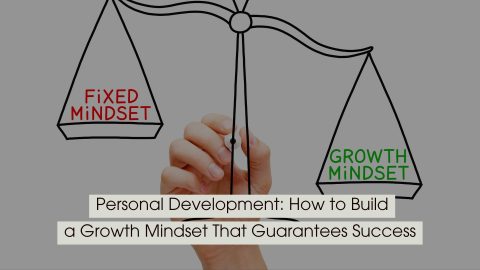
Illustration of a balance scale labeled “Fixed Mindset” on one side and “Growth Mindset” on the other, with a hand drawing or adjusting the scale, symbolizing the shift in thinking, and the text “Personal Development: How to Build a Growth Mindset That Guarantees Success” displayed across the image.

Personal Development: How to Build a Growth Mindset That Guarantees Success

Personal Development: A growth mindset allows individuals to embrace challenges, learn from failure, and continuously improve. By shifting your thinking and focusing on effort, you can unlock long-term success and personal development.

Read More