Table of Contents
- Daniel Goleman Introduces Emotional Intelligence | Big Think
- What Is Emotional Intelligence?
- Why Emotional Intelligence Is the Key to Personal Success
- Emotional Intelligence and Personal Growth
- How to Develop Emotional Intelligence
- Emotional Intelligence in Daily Life
- Final Thoughts: Emotional Intelligence Is the Real Advantage
- Sources & Further Reading
- About the Author
- Book a Free Consultation
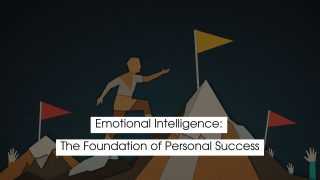
Success isn’t just about intelligence, talent, or hard work. In today’s fast-paced, high-pressure world, emotional intelligence (EQ) has become the true foundation of personal and professional success.
Whether you’re building a career, growing a business, or working on personal development, your ability to understand and manage emotions determines how well you navigate challenges, communicate with others, and make confident decisions.
Emotional intelligence affects:
- How you handle stress
- How you respond to setbacks
- How you build relationships
- How you lead and influence others
- How you feel about yourself
In short, emotional intelligence shapes your entire experience of life.
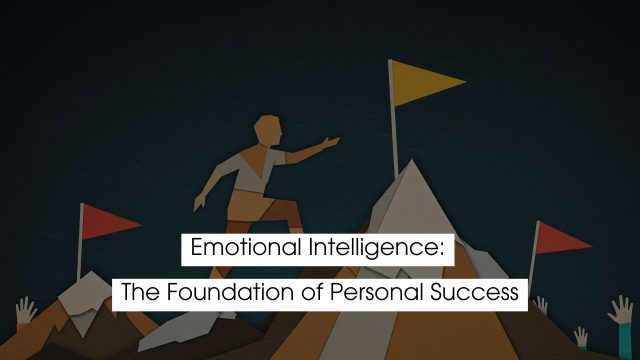
Daniel Goleman Introduces Emotional Intelligence | Big Think
What Is Emotional Intelligence?
Emotional intelligence refers to the ability to recognize, understand, manage, and use emotions effectively, both your own and those of others.
Psychologist Daniel Goleman, one of the leading voices on emotional intelligence, identifies five core components:
- Self-awareness – Understanding your emotions and triggers
- Self-regulation – Managing emotional reactions in healthy ways
- Motivation – Using emotions to stay focused and resilient
- Empathy – Understanding others’ emotions
- Social skills – Building strong, healthy relationships
Together, these skills form the foundation of emotional mastery and long-term success.
Why Emotional Intelligence Is the Key to Personal Success
1. It Improves Self-Awareness
Emotional intelligence allows you to recognize patterns in your thoughts, behaviors, and emotional reactions. When you understand why you feel a certain way, you gain control instead of reacting unconsciously.
Self-awareness helps you:
- Identify limiting beliefs
- Recognize emotional triggers
- Make aligned decisions
- Grow with intention
Without it, personal growth becomes guesswork.
2. It Strengthens Emotional Regulation
Life is full of stress, conflict, and uncertainty. Emotional intelligence helps you respond instead of react.
Instead of:
- Exploding in anger
- Shutting down emotionally
- Making impulsive decisions
You learn to:
- Pause before responding
- Regulate your emotions
- Choose healthier reactions
This ability alone can dramatically improve relationships, leadership skills, and mental health.
3. It Builds Stronger Relationships
Whether personal or professional, relationships thrive on emotional awareness.
High emotional intelligence helps you:
- Communicate clearly
- Listen with empathy
- Resolve conflict effectively
- Build trust and connection
People with strong EQ tend to have deeper, more meaningful relationships and better collaboration skills.
4. It Improves Decision-Making
Many poor decisions come from emotional overwhelm, fear, or pressure.
Emotional intelligence allows you to:
- Recognize emotional bias
- Separate feelings from facts
- Make calm, thoughtful choices
- Avoid reactive behavior
This leads to better outcomes in careers, finances, and personal life.
5. It Supports Confidence and Self-Belief
True confidence comes from emotional stability, not external validation.
When you understand and manage your emotions:
- You trust yourself more
- You’re less affected by criticism
- You recover faster from failure
- You take action with clarity
Emotional intelligence builds confidence from the inside out.
Emotional Intelligence and Personal Growth
Personal development isn’t about becoming someone else, it’s about understanding yourself better.
Emotional intelligence supports growth by helping you:
- Identify emotional blocks
- Release self-sabotaging patterns
- Develop resilience
- Cultivate self-compassion
- Stay aligned with your values
Without emotional intelligence, personal growth often feels forced or temporary. With it, change becomes sustainable.
How to Develop Emotional Intelligence
1. Practice Self-Reflection
Spend time reflecting on your emotional responses. Journaling can help you recognize patterns and triggers.
2. Build Emotional Awareness
Name your emotions instead of suppressing them. Awareness is the first step toward control.
3. Improve Emotional Regulation
Use techniques like deep breathing, mindfulness, or grounding exercises to calm emotional reactions.
4. Strengthen Empathy
Listen to understand, not to respond. Try seeing situations from others’ perspectives.
5. Seek Feedback or Coaching
A coach or mentor can help you identify blind spots and develop emotional intelligence more effectively.
Emotional Intelligence in Daily Life
Emotional intelligence impacts:
- Workplace performance
- Leadership ability
- Personal relationships
- Mental health
- Stress management
- Decision-making
It’s not a soft skill, it’s a life skill.
Final Thoughts: Emotional Intelligence Is the Real Advantage
Success isn’t just about what you know, it’s about how you manage yourself and relate to others.
Emotional intelligence gives you:
- Clarity in chaos
- Strength during challenges
- Confidence in decisions
- Deeper connections
- Long-term emotional well-being
If you want sustainable success, personal fulfillment, and meaningful growth, emotional intelligence isn’t optional, it’s essential.
Sources & Further Reading
To deepen your understanding of emotional intelligence and its role in personal success, explore the following trusted books, research, and resources:
Books
- Goleman, Daniel. Emotional Intelligence: Why It Can Matter More Than IQ.
A foundational book that introduced emotional intelligence to the mainstream and explains its impact on success and leadership. - Bradberry, Travis & Greaves, Jean. Emotional Intelligence 2.0.
A practical guide with strategies for improving emotional intelligence in everyday life. - Dweck, Carol. Mindset: The New Psychology of Success.
Explores how mindset and emotional awareness influence growth, resilience, and achievement. - Brown, Brené. Dare to Lead.
Focuses on emotional courage, vulnerability, and leadership rooted in emotional intelligence.
Research & Articles
- Harvard Business Review – Emotional Intelligence Collection
https://hbr.org
Evidence-based insights on emotional intelligence in leadership, performance, and decision-making. - American Psychological Association (APA)
https://www.apa.org
Research-backed articles on emotional regulation, self-awareness, and emotional health. - Verywell Mind – Emotional Intelligence Topics
https://www.verywellmind.com
Accessible explanations of emotional intelligence, mental health, and self-growth.
Podcasts & Talks
- Daniel Goleman – Emotional Intelligence (TED Talk)
A clear breakdown of why EQ matters more than IQ in long-term success. - The Tony Robbins Podcast
Episodes focused on emotional mastery, mindset, and personal transformation. - The School of Greatness – Lewis Howes
Interviews with experts on emotional intelligence, mindset, and leadership
Personal Growth & Coaching Resources
- International Coaching Federation (ICF) – https://coachingfederation.org
Professional insights on personal development and emotional growth. - Positive Psychology Center (University of Pennsylvania)
Research on emotional resilience, well-being, and self-mastery.
About the Author
David A. Caren is the creator of Emotional Optimization™ – helping high-performing professionals rewire emotional patterns for clarity, calm, and success.
Book a Free Consultation
What is emotional intelligence?
Emotional intelligence (EQ) is the ability to understand, manage, and use emotions effectively. It includes self-awareness, emotional regulation, empathy, motivation, and social skills, key traits for personal and professional success.
Why is emotional intelligence important for personal success?
Emotional intelligence helps you make better decisions, manage stress, communicate effectively, and build strong relationships. It supports confidence, resilience, and clarity, all of which contribute to long-term success.
Can emotional intelligence be learned or improved?
Yes. Emotional intelligence is a skill, not a fixed trait. With self-awareness, practice, and reflection, anyone can strengthen emotional intelligence over time.
How does emotional intelligence affect decision-making?
Emotional intelligence helps you recognize emotional triggers and avoid impulsive reactions. This allows you to make thoughtful, balanced decisions instead of reacting based on fear, stress, or pressure.
Is emotional intelligence more important than IQ?
While IQ matters, research shows emotional intelligence plays a larger role in success, leadership, and relationship-building. EQ influences how well you apply your intelligence in real-life situations.

How to Transform Your Life One Day at a Time: Small Daily Changes That Lead to Extraordinary Results
Transform Your Life One Day at a Time: Transforming your life doesn’t happen overnight, it happens one day at a…


How to Develop Unbreakable Self-Discipline: The Ultimate Guide to Building Mental Strength and Consistency
Developing unbreakable self-discipline isn’t about relying on endless motivation or willpower. It’s about building consistent habits, keeping promises to yourself,…
How to Strengthen Your Willpower Every Day: Practical Strategies for Better Self-Control
Strengthening your willpower starts with small, intentional decisions. By reducing distractions, practicing delayed gratification, building supportive routines, and keeping promises…
Personal Development: The Growth Mindset Formula, How to Rewire Your Brain for Success
Personal development begins with one powerful belief: you can improve. The growth mindset formula teaches you how to rewire your…
Personal Development: Why Overthinking Is Holding You Back (And How to Stop)
Overthinking feels safe, but it quietly steals your momentum, confidence, and clarity. The more you analyze, the less you act….
How Stop Negative Self-Talk Permanently
Negative self-talk is not permanent, it is a learned pattern that can be rewired. Through awareness, cognitive restructuring, and self-compassion,…