Table of Contents
- What is imposter syndrome and how can you combat it? – Elizabeth Cox
- What Is Imposter Syndrome?
- How Imposter Syndrome Shows Up in Everyday Life
- Why Imposter Syndrome Happens
- The Hidden Cost of Imposter Syndrome
- How to Overcome Imposter Syndrome in Everyday Life
- The Role of Emotional Intelligence in Overcoming Imposter Syndrome
- Final Thoughts: You Are Not an Imposter
- Sources & Further Reading
- About the Author
- Book a Free Consultation
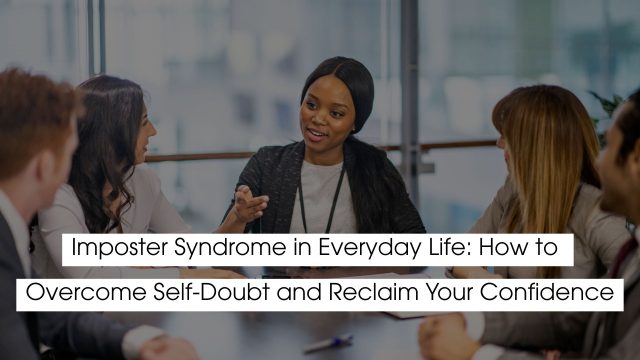
Imposter syndrome affects millions of people, often the most capable, driven, and accomplished among us. It’s the persistent feeling that you’re not as competent as others think you are, that you’re “faking it,” and that sooner or later, you’ll be exposed as a fraud.
While imposter syndrome is commonly associated with high achievers and professionals, it shows up in everyday life more often than we realize at work, in relationships, in parenting, and even in personal growth. The good news? Imposter syndrome isn’t a permanent trait. It’s a mindset pattern that can be understood, challenged, and overcome.
In this article, we’ll explore what imposter syndrome really is, how it shows up in daily life, and practical ways to overcome it so you can live with greater confidence, clarity, and self-trust.
What is imposter syndrome and how can you combat it? – Elizabeth Cox
What Is Imposter Syndrome?
Imposter syndrome is a psychological pattern where individuals doubt their abilities and fear being exposed as a fraud, despite clear evidence of competence or success.
It often includes thoughts like:
- “I just got lucky.”
- “I don’t deserve this opportunity.”
- “Everyone else knows more than I do.”
- “Soon they’ll realize I’m not good enough.”
Although not a clinical diagnosis, imposter syndrome is widely recognized by psychologists and personal development professionals as a major barrier to confidence and emotional well-being.
How Imposter Syndrome Shows Up in Everyday Life
Imposter syndrome doesn’t only appear in big career moments, it often hides in small, daily experiences.
1. At Work
- Overworking to “prove” your worth
- Avoiding speaking up in meetings
- Fear of promotions or leadership roles
- Discounting praise or accomplishments
2. In Relationships
- Feeling unworthy of love or support
- People-pleasing to avoid rejection
- Doubting your value in friendships or partnerships
3. In Personal Growth
- Feeling like you’re “behind” in life
- Comparing your progress to others
- Hesitating to pursue goals or passions
Over time, these patterns create chronic stress, anxiety, burnout, and low self-esteem.
Why Imposter Syndrome Happens
Imposter syndrome is often rooted in deeper emotional and psychological patterns, including:
Perfectionism
Believing that mistakes mean failure rather than growth.
Comparison Culture
Constant exposure to curated success on social media fuels unrealistic expectations.
Early Conditioning
Growing up with high expectations, criticism, or pressure to perform.
Fear of Judgment
A deep desire to be accepted and validated by others.
High Achievement
Ironically, high performers are more likely to experience imposter syndrome because they continuously raise the bar for themselves.
The Hidden Cost of Imposter Syndrome
Unchecked imposter syndrome can lead to:
- Chronic stress and anxiety
- Burnout and emotional exhaustion
- Procrastination or overworking
- Fear of taking opportunities
- Low self-confidence and self-worth
Over time, it can prevent you from reaching your full potential, not because you lack ability, but because you doubt it.
How to Overcome Imposter Syndrome in Everyday Life
1. Build Self-Awareness
Start noticing when imposter thoughts arise. Ask yourself:
- What triggered this feeling?
- Is this thought factual or emotional?
- What evidence do I have against it?
Awareness is the first step toward change.
2. Reframe Negative Self-Talk
Replace:
“I’m not good enough.”
“I’m learning and growing.”
“I don’t belong here.”
“I earned this opportunity.”
Your thoughts shape your emotional reality.
3. Separate Feelings from Facts
Just because you feel unqualified doesn’t mean you are unqualified. Feelings are not proof.
Write down your accomplishments, skills, and positive feedback. Let evidence, not fear, guide your beliefs.
4. Normalize Imperfection
Growth requires mistakes. Confidence is not the absence of failure, it’s the willingness to learn from it.
High performers don’t avoid failure; they expect it as part of progress.
5. Practice Self-Compassion
Talk to yourself the way you would talk to a close friend:
- With patience
- With encouragement
- Without harsh judgment
Self-compassion reduces anxiety and builds emotional resilience.
6. Seek Support and Perspective
Working with a coach, therapist, or mentor can help uncover the root of imposter syndrome and create healthier thought patterns.
Sometimes, we can’t see our own value until someone helps reflect it back to us.
The Role of Emotional Intelligence in Overcoming Imposter Syndrome
Emotional intelligence (EQ) plays a key role in overcoming self-doubt. It helps you:
- Recognize emotional triggers
- Regulate fear and anxiety
- Build self-awareness
- Strengthen confidence
- Respond instead of react
The more emotionally intelligent you become, the less power imposter syndrome has over your decisions and self-image.
Final Thoughts: You Are Not an Imposter
Imposter syndrome doesn’t mean you’re failing, it often means you’re growing.
When you learn to recognize self-doubt, challenge limiting beliefs, and build emotional awareness, you stop living in fear of being “found out” and start living with confidence, clarity, and purpose.
You are not behind.
You are not a fraud.
You are becoming.
And that’s exactly where you’re meant to be.
Sources & Further Reading
If you’d like to explore imposter syndrome, self-doubt, and emotional growth more deeply, these trusted resources provide research-backed insights and practical guidance:
Books
- Clance, P. R., & Imes, S. A. (1978). The Impostor Phenomenon in High Achieving Women
Foundational research that first defined imposter syndrome.
https://psycnet.apa.org/record/1979-02232-001 - Brown, B. (2010). The Gifts of Imperfection
Explores vulnerability, self-worth, and overcoming shame.
https://brenebrown.com/books/ - Neff, K. (2011). Self-Compassion: The Proven Power of Being Kind to Yourself
A powerful resource on replacing self-criticism with self-trust.
https://self-compassion.org - Dweck, C. (2006). Mindset: The New Psychology of Success
Explains how growth mindset reduces fear of failure and self-doubt.
https://www.mindsetworks.com
Research & Articles
- American Psychological Association (APA) – Imposter Phenomenon Overview
https://www.apa.org/monitor/julaug04/impostor - Harvard Business Review – Overcoming Imposter Syndrome
https://hbr.org/2021/02/stop-telling-women-they-have-imposter-syndrome - Psychology Today – Imposter Syndrome Explained
https://www.psychologytoday.com/us/basics/imposter-syndrome
Podcasts & Talks
- TED Talk: “The Power of Vulnerability” – Brené Brown
https://www.ted.com/talks/brene_brown_the_power_of_vulnerability - The Confidence Podcast – Trish Blackwell
https://www.trishblackwell.com
About the Author
David A. Caren is the creator of Emotional Optimization™ – helping high-performing professionals rewire emotional patterns for clarity, calm, and success.
Book a Free Consultation
What is imposter syndrome?
Imposter syndrome is the persistent feeling that you’re not as capable or competent as others believe you are. People who experience it often attribute success to luck rather than skill and fear being “found out” as a fraud.
Who experiences imposter syndrome?
Imposter syndrome affects people of all backgrounds, professionals, students, entrepreneurs, creatives, and high achievers. It’s especially common among people who set high standards for themselves or step into new roles or environments.
Can imposter syndrome affect mental health?
Yes. Left unaddressed, imposter syndrome can contribute to anxiety, burnout, low self-esteem, and chronic stress. Over time, it may affect motivation, confidence, and overall well-being.
Is imposter syndrome a mental illness?
No. Imposter syndrome is not a diagnosable mental health condition. It’s a psychological pattern related to self-perception and mindset, though it can coexist with anxiety or perfectionism.
Can personal development coaching help with imposter syndrome?
Yes. A personal development coach helps you identify limiting beliefs, build emotional awareness, strengthen confidence, and develop healthier thought patterns so you can move forward with clarity and self-trust.

How to Transform Your Life One Day at a Time: Small Daily Changes That Lead to Extraordinary Results
Transform Your Life One Day at a Time: Transforming your life doesn’t happen overnight, it happens one day at a…


How to Develop Unbreakable Self-Discipline: The Ultimate Guide to Building Mental Strength and Consistency
Developing unbreakable self-discipline isn’t about relying on endless motivation or willpower. It’s about building consistent habits, keeping promises to yourself,…
How to Strengthen Your Willpower Every Day: Practical Strategies for Better Self-Control
Strengthening your willpower starts with small, intentional decisions. By reducing distractions, practicing delayed gratification, building supportive routines, and keeping promises…
Personal Development: The Growth Mindset Formula, How to Rewire Your Brain for Success
Personal development begins with one powerful belief: you can improve. The growth mindset formula teaches you how to rewire your…
Personal Development: Why Overthinking Is Holding You Back (And How to Stop)
Overthinking feels safe, but it quietly steals your momentum, confidence, and clarity. The more you analyze, the less you act….
How Stop Negative Self-Talk Permanently
Negative self-talk is not permanent, it is a learned pattern that can be rewired. Through awareness, cognitive restructuring, and self-compassion,…