Table of Contents
- What is imposter syndrome and how can you combat it? – Elizabeth Cox
- What Is Imposter Syndrome?
- Why Imposter Syndrome Is So Common in the Workplace
- Signs You May Be Experiencing Imposter Syndrome at Work
- How Imposter Syndrome Impacts Your Career
- How to Overcome Imposter Syndrome at Work
- How Confidence Grows Over Time
- Final Thoughts: You Belong More Than You Think
- Sources & Further Reading
- About the Author
- Book a Free Consultation
Imposter syndrome at work is more common than most people realize. Even high-performing professionals often feel like they don’t truly belong, fear being “found out,” or believe their success is due to luck rather than skill. This quiet self-doubt can limit growth, drain confidence, and prevent people from reaching their full potential.
In this article, we’ll explore what imposter syndrome is, why it shows up in the workplace, and—most importantly—how to overcome it so you can feel confident, capable, and secure in your role.
What is imposter syndrome and how can you combat it? – Elizabeth Cox
What Is Imposter Syndrome?
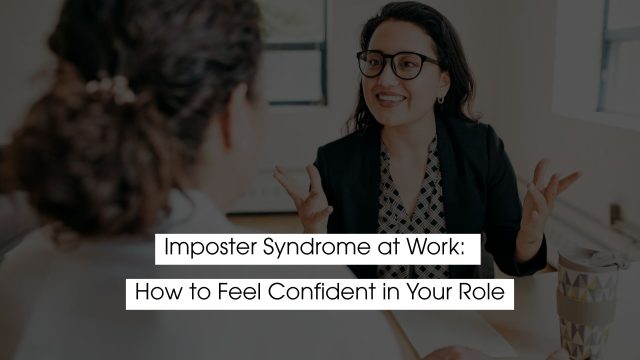
Imposter syndrome is a psychological pattern where individuals doubt their accomplishments and have a persistent fear of being exposed as a fraud—despite clear evidence of competence.
At work, it often sounds like:
- “I’m not qualified enough for this job.”
- “They’ll realize I don’t know what I’m doing.”
- “I just got lucky.”
- “Everyone else is smarter than me.”
The term was first identified by psychologists Pauline Clance and Suzanne Imes, and studies show that up to 70% of people experience imposter syndrome at some point in their careers.
Why Imposter Syndrome Is So Common in the Workplace
1. High Expectations and Performance Pressure
Modern workplaces reward productivity, perfection, and constant improvement. When expectations rise, self-doubt often follows—especially for high achievers.
2. Comparison Culture
Seeing coworkers excel, get promoted, or appear confident can trigger negative self-comparisons, even when you’re performing just as well.
3. New Roles or Promotions
Starting a new job or stepping into leadership can trigger imposter syndrome, as unfamiliar responsibilities make you feel unprepared—even when you’re qualified.
4. Lack of Representation or Belonging
People who are underrepresented in their industry may feel additional pressure to prove themselves or fear confirming stereotypes.
Signs You May Be Experiencing Imposter Syndrome at Work
- Constantly doubting your abilities
- Overworking to “prove” your worth
- Fear of asking questions
- Downplaying accomplishments
- Feeling anxious before meetings or presentations
- Attributing success to luck or timing
- Avoiding new opportunities due to fear of failure
If these sound familiar, you’re not alone—and you’re not incapable.
How Imposter Syndrome Impacts Your Career
Unchecked imposter syndrome can lead to:
- Burnout from overworking
- Missed promotions or opportunities
- Chronic stress and anxiety
- Low confidence in decision-making
- Difficulty speaking up or asserting ideas
Over time, this pattern can keep talented professionals stuck below their potential.
How to Overcome Imposter Syndrome at Work
1. Reframe Your Inner Dialogue
Replace self-doubt with evidence-based thinking.
Instead of: “I’m not good enough.”
Try: “I earned this role because of my skills and experience.”
Write down accomplishments, positive feedback, and wins—no matter how small.
2. Stop Comparing Your Behind-the-Scenes to Others’ Highlight Reels
You’re seeing others’ outcomes, not their struggles. Everyone has doubts—even the people who seem most confident.
3. Normalize Growth and Learning
You’re not supposed to know everything. Growth happens through learning, mistakes, and feedback—not perfection.
4. Talk About It
Sharing your experience with a mentor, coach, or trusted colleague often reveals that others feel the same way. Naming imposter syndrome reduces its power.
5. Focus on Progress, Not Perfection
Perfectionism fuels imposter syndrome. Shift your mindset to:
- Progress over perfection
- Learning over proving
- Growth over validation
6. Build Emotional Intelligence
Developing emotional intelligence helps you:
- Recognize self-doubt patterns
- Regulate stress and anxiety
- Respond to challenges with confidence
- Communicate more effectively
Emotional awareness is one of the strongest tools for overcoming workplace insecurity.
How Confidence Grows Over Time
Confidence isn’t something you’re born with—it’s built through:
- Experience
- Self-trust
- Reflection
- Taking action despite fear
Each time you show up, contribute, and move forward, you strengthen your professional identity.
Final Thoughts: You Belong More Than You Think
Imposter syndrome at work doesn’t mean you’re failing—it often means you care, you’re growing, and you’re pushing beyond your comfort zone.
Confidence isn’t about knowing everything.
It’s about trusting yourself to figure things out.
When you stop questioning your worth and start owning your value, your career—and self-belief—will transform.
Sources & Further Reading
- Clance, P. R., & Imes, S. A. (1978).
The Impostor Phenomenon in High Achieving Women: Dynamics and Therapeutic Intervention.
Psychotherapy: Theory, Research & Practice.
(Foundational research that introduced the term “imposter syndrome.”) - Harvard Business Review
Overcoming Imposter Syndrome at Work
Explores how professionals experience imposter syndrome and practical ways to manage it in the workplace. - American Psychological Association (APA)
What Is Impostor Syndrome?
Provides research-backed insights on causes, symptoms, and psychological effects. - Dr. Brené Brown – Dare to Lead
A powerful exploration of vulnerability, courage, and self-worth in leadership and professional growth. - Daniel Goleman – Emotional Intelligence
A foundational book explaining how emotional intelligence impacts performance, leadership, and confidence. - Forbes – Leadership & Career Development
Articles on workplace confidence, imposter syndrome, and professional mindset shifts. - Mind Tools
Practical strategies for overcoming self-doubt, building confidence, and improving emotional intelligence at work. - Verywell Mind
Evidence-based mental health articles explaining imposter syndrome, anxiety, and self-esteem.
About the Author
David A. Caren is the creator of Emotional Optimization™ – helping high-performing professionals rewire emotional patterns for clarity, calm, and success.
Book a Free Consultation
What is imposter syndrome at work?
Imposter syndrome at work is the persistent feeling that you’re not as competent as others think you are, despite evidence of your skills, experience, or success. People with imposter syndrome often fear being “found out” as a fraud, even when they perform well.
What causes imposter syndrome in the workplace?
Imposter syndrome can stem from perfectionism, high expectations, lack of representation, comparison culture, or working in high-pressure environments. Career transitions, promotions, and new roles often trigger these feelings.
Is imposter syndrome common at work?
Yes. Studies suggest that up to 70% of professionals experience imposter syndrome at some point in their careers. It affects employees at all levels—from entry-level staff to executives and leaders.
Can emotional intelligence help with imposter syndrome?
Yes. Emotional intelligence helps you recognize emotional patterns, regulate self-doubt, and respond to stress more effectively. Developing self-awareness and emotional regulation is one of the most effective ways to reduce imposter syndrome.
Should I talk to my manager about imposter syndrome?
If you feel psychologically safe, having an open conversation can be helpful. Many leaders experience imposter syndrome themselves and may offer reassurance, clarity, or support.

How to Transform Your Life One Day at a Time: Small Daily Changes That Lead to Extraordinary Results
Transform Your Life One Day at a Time: Transforming your life doesn’t happen overnight, it happens one day at a…


How to Develop Unbreakable Self-Discipline: The Ultimate Guide to Building Mental Strength and Consistency
Developing unbreakable self-discipline isn’t about relying on endless motivation or willpower. It’s about building consistent habits, keeping promises to yourself,…
How to Strengthen Your Willpower Every Day: Practical Strategies for Better Self-Control
Strengthening your willpower starts with small, intentional decisions. By reducing distractions, practicing delayed gratification, building supportive routines, and keeping promises…

Personal Development: The Growth Mindset Formula, How to Rewire Your Brain for Success
Personal development begins with one powerful belief: you can improve. The growth mindset formula teaches you how to rewire your…
Personal Development: Why Overthinking Is Holding You Back (And How to Stop)
Overthinking feels safe, but it quietly steals your momentum, confidence, and clarity. The more you analyze, the less you act….
How Stop Negative Self-Talk Permanently
Negative self-talk is not permanent, it is a learned pattern that can be rewired. Through awareness, cognitive restructuring, and self-compassion,…