Table of Contents
- What is imposter syndrome and how can you combat it? – Elizabeth Cox
- What Is Imposter Syndrome?
- Why Imposter Syndrome Affects Men Differently
- Common Signs of Imposter Syndrome in Men
- The Psychological Cost of Silent Self-Doubt
- How to Overcome Imposter Syndrome as a Man
- Why Emotional Intelligence Matters
- Reclaiming Confidence and Identity
- Final Thoughts
- Sources & Further Reading
- About the Author
- Book a Free Consultation
Imposter syndrome is often discussed in professional and academic spaces, but one group experiences it quietly and intensely, men. While success, leadership, and confidence are culturally expected of men, many silently battle self-doubt, fear of failure, and a persistent belief that they don’t truly deserve their achievements.
This article explores imposter syndrome in men, why it often goes unnoticed, how it affects mental health and performance, and what can be done to overcome it.
What is imposter syndrome and how can you combat it? – Elizabeth Cox

What Is Imposter Syndrome?
Imposter syndrome is a psychological pattern where individuals doubt their abilities and feel like frauds despite evidence of success. Those affected often attribute achievements to luck, timing, or external factors rather than competence or effort.
Common signs include:
- Fear of being “found out”
- Chronic self-doubt
- Overworking to prove worth
- Difficulty accepting praise
- Comparing oneself to others
While anyone can experience imposter syndrome, men often struggle in silence due to social expectations around strength and confidence.
Why Imposter Syndrome Affects Men Differently
1. Cultural Expectations of Masculinity
From a young age, men are taught to be strong, capable, and self-reliant. Admitting uncertainty or vulnerability can feel like failure. As a result, many men internalize their doubts rather than seeking support.
2. Pressure to Be the Provider
Career success is often tied to identity and self-worth. When men feel behind, uncertain, or undeserving of their role, imposter syndrome intensifies, especially in leadership or high-pressure environments.
3. Emotional Suppression
Men are less likely to talk openly about fear or insecurity. This emotional suppression allows imposter thoughts to grow unchecked, leading to burnout, anxiety, or withdrawal.
Common Signs of Imposter Syndrome in Men
- Overworking to prove value
- Fear of asking for help
- Avoiding promotions or leadership roles
- Dismissing achievements as luck
- Perfectionism or procrastination
- Feeling anxious despite success
- Comparing success to others constantly
These patterns often appear in high-achieving professionals, entrepreneurs, executives, and creatives.
The Psychological Cost of Silent Self-Doubt
Unchecked imposter syndrome can lead to:
- Chronic stress and anxiety
- Burnout and emotional exhaustion
- Low self-esteem
- Difficulty forming authentic relationships
- Depression or loss of motivation
Over time, the fear of being exposed becomes heavier than the fear of failure itself.
How to Overcome Imposter Syndrome as a Man
1. Normalize the Experience
Imposter syndrome is extremely common, even among high performers. Recognizing that doubt does not equal incompetence is the first step toward freedom.
2. Reframe Negative Self-Talk
Replace thoughts like: “I don’t belong here.”
with “I’ve earned my place through effort and growth.”
Awareness of internal dialogue allows you to challenge distorted thinking patterns.
3. Track Evidence of Competence
Keep a record of wins, feedback, and progress. Reviewing tangible proof helps counter emotional distortion during moments of doubt.
4. Talk About It
Whether with a coach, therapist, mentor, or trusted peer, speaking openly breaks the isolation imposter syndrome thrives on.
5. Detach Identity From Performance
You are not your productivity or title. Developing self-worth outside of achievement reduces fear-driven behavior.
6. Embrace Growth Over Perfection
Perfectionism fuels imposter syndrome. Growth comes from learning, not flawlessness.
Why Emotional Intelligence Matters
Developing emotional intelligence helps men:
- Recognize emotional triggers
- Regulate stress responses
- Build confidence through self-awareness
- Improve relationships and leadership
- Respond to failure with resilience instead of shame
Emotional awareness is not weakness, it’s a performance advantage.
Reclaiming Confidence and Identity
Imposter syndrome thrives in silence and comparison. Confidence grows when you:
- Accept imperfection
- Honor your progress
- Separate identity from achievement
- Allow yourself to evolve
You don’t have to feel certain to move forward, you just have to keep going.
Final Thoughts
Imposter syndrome in men is real, common, and deeply human. The pressure to appear confident often masks inner doubt, but awareness is the first step toward change. When men learn to recognize, name, and challenge imposter thoughts, they unlock confidence, emotional freedom, and sustainable success.
You are not an imposter, you are evolving.
Sources & Further Reading
Books
- Clance, P. R., & Imes, S. A. (1978) – The Impostor Phenomenon in High Achieving Women
Foundational research that introduced the concept of imposter syndrome. - Brown, B. (2010). The Gifts of Imperfection
Explores vulnerability, self-worth, and overcoming shame-based identity patterns. - Dweck, C. (2006). Mindset: The New Psychology of Success
Explains how fixed vs. growth mindsets influence confidence and self-belief. - Neff, K. (2011). Self-Compassion: The Proven Power of Being Kind to Yourself
A powerful guide to overcoming self-criticism and building emotional resilience. - Goleman, D. (1995). Emotional Intelligence
A classic text on how emotional awareness shapes success and self-perception.
Research & Articles
- American Psychological Association (APA)
Imposter Syndrome: What It Is and How to Overcome It
https://www.apa.org - Harvard Business Review –
Stop Telling Women They Have Imposter Syndrome
Explores how identity and environment influence self-doubt. - Psychology Today
Articles on self-identity, imposter syndrome, and cognitive reframing
https://www.psychologytoday.com
Podcasts & Talks
- Brené Brown – Dare to Lead Podcast
Discussions on identity, courage, and self-trust. - The Tim Ferriss Show – Episodes on Imposter Syndrome
Real-life discussions with high performers who experience self-doubt.
About the Author
David A. Caren is the creator of Emotional Optimization™ – helping high-performing professionals rewire emotional patterns for clarity, calm, and success.
Book a Free Consultation
What is imposter syndrome in men?
Imposter syndrome in men refers to persistent self-doubt and the fear of being exposed as a fraud, despite proven success or competence. It often goes unspoken due to societal expectations that men should appear confident and emotionally strong.
Why do men experience imposter syndrome differently?
Men are often taught to suppress vulnerability and equate worth with achievement. This can make it harder to acknowledge self-doubt or seek support, causing imposter syndrome to intensify internally.
Is imposter syndrome a mental illness?
No. Imposter syndrome is not a clinical disorder, but a psychological pattern. However, if left unaddressed, it can contribute to anxiety, burnout, and depression.
Can successful men still struggle with imposter syndrome?
Yes. In fact, high achievers are often more prone to imposter syndrome because they set high expectations for themselves and constantly compare their performance to others.
When should someone seek professional help?
If imposter syndrome leads to chronic anxiety, burnout, or affects daily functioning and relationships, working with a therapist or coach can be extremely beneficial.

How to Transform Your Life One Day at a Time: Small Daily Changes That Lead to Extraordinary Results
Transform Your Life One Day at a Time: Transforming your life doesn’t happen overnight, it happens one day at a…


How to Develop Unbreakable Self-Discipline: The Ultimate Guide to Building Mental Strength and Consistency
Developing unbreakable self-discipline isn’t about relying on endless motivation or willpower. It’s about building consistent habits, keeping promises to yourself,…
How to Strengthen Your Willpower Every Day: Practical Strategies for Better Self-Control
Strengthening your willpower starts with small, intentional decisions. By reducing distractions, practicing delayed gratification, building supportive routines, and keeping promises…

Personal Development: The Growth Mindset Formula, How to Rewire Your Brain for Success
Personal development begins with one powerful belief: you can improve. The growth mindset formula teaches you how to rewire your…
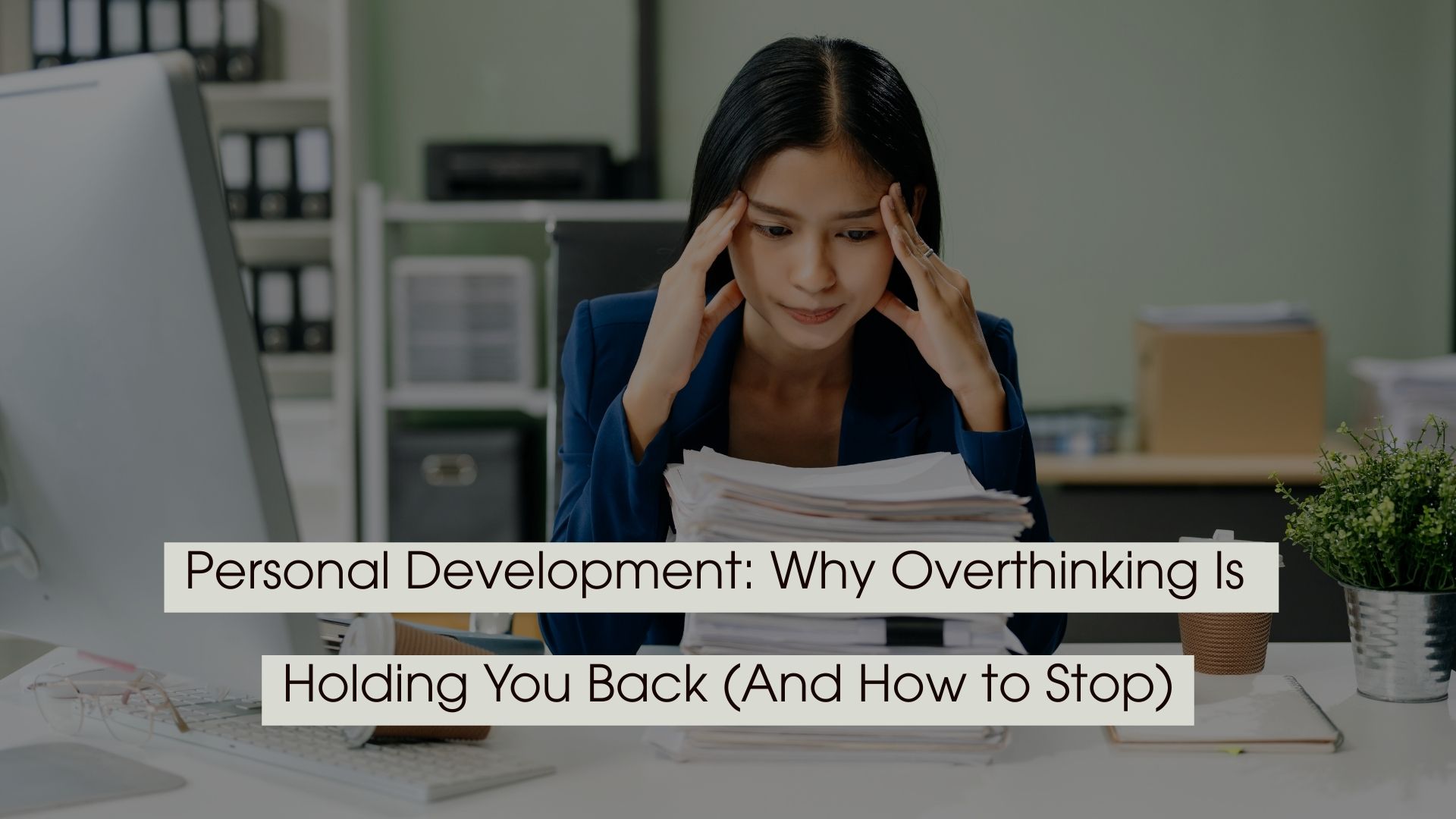
Personal Development: Why Overthinking Is Holding You Back (And How to Stop)
Overthinking feels safe, but it quietly steals your momentum, confidence, and clarity. The more you analyze, the less you act….
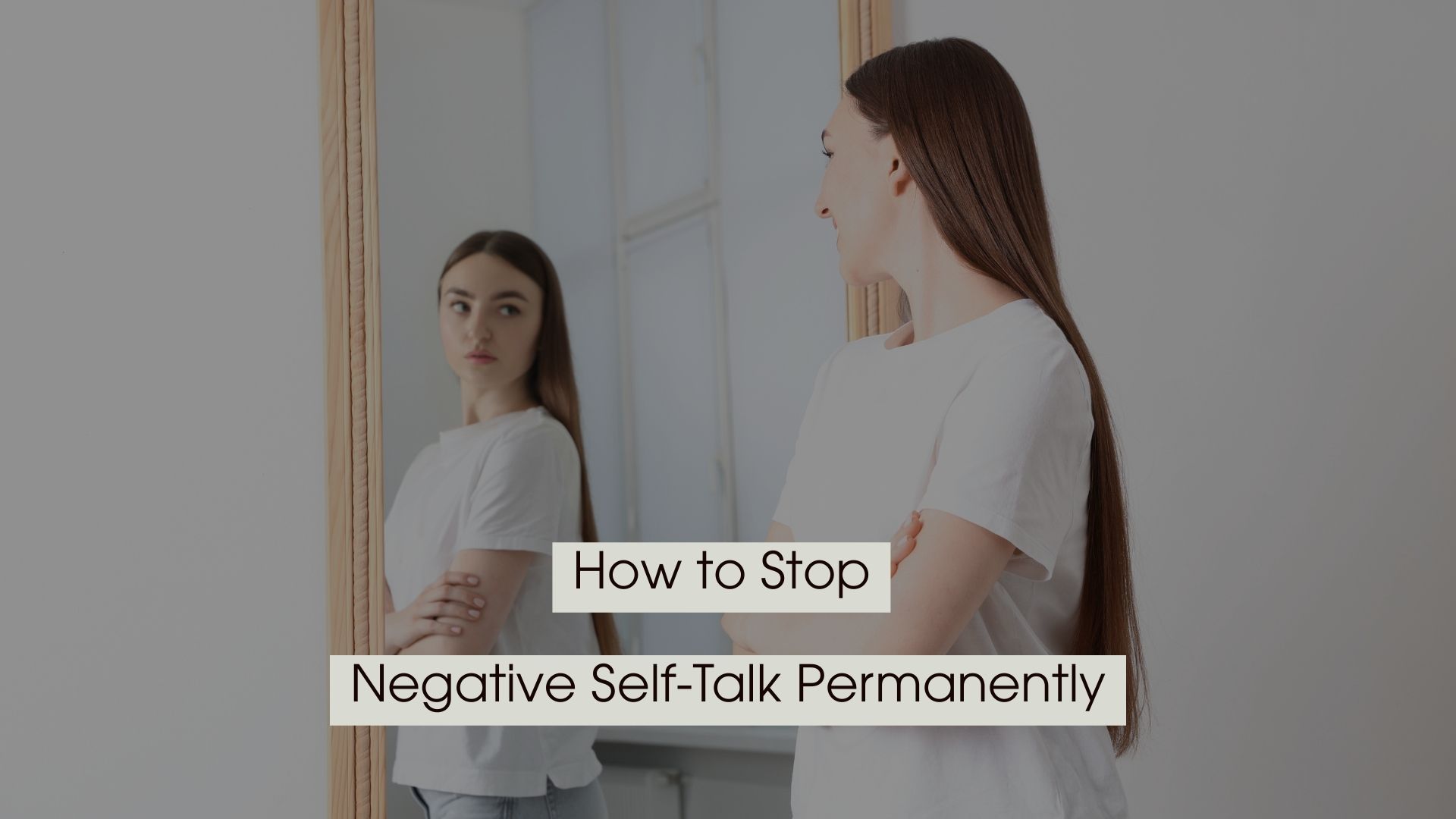
How Stop Negative Self-Talk Permanently
Negative self-talk is not permanent, it is a learned pattern that can be rewired. Through awareness, cognitive restructuring, and self-compassion,…