Table of Contents
- What is imposter syndrome and how can you combat it? – Elizabeth Cox
- What Is Imposter Syndrome?
- Why Imposter Syndrome Is So Common in Women
- How Imposter Syndrome Shows Up in Women
- The Hidden Cost of Imposter Syndrome
- How to Overcome Imposter Syndrome as a Woman
- How Emotional Intelligence Helps Reduce Imposter Syndrome
- Final Thoughts: You Are More Capable Than You Think
- Sources & Further Reading
- About the Author
- Book a Free Consultation
Despite years of experience, achievements, and education, many women still feel like they don’t truly deserve their success. They fear being “found out,” downplay their accomplishments, and constantly compare themselves to others. This internal struggle is known as imposter syndrome, and it disproportionately affects women across industries, ages, and backgrounds.
From corporate professionals and entrepreneurs to mothers and creatives, imposter syndrome quietly undermines confidence and self-worth. But why is it so common among women and more importantly, how can it be overcome?
This article explores the root causes of imposter syndrome in women, how it manifests, and proven ways to build lasting confidence.
What is imposter syndrome and how can you combat it? – Elizabeth Cox

What Is Imposter Syndrome?
Imposter syndrome is the persistent belief that your success is due to luck, timing, or deception rather than skill or effort. Even when there’s clear evidence of competence, those experiencing it feel undeserving and fear being exposed as a fraud.
Common thoughts include:
- “I don’t really know what I’m doing.”
- “They’ll realize I’m not good enough.”
- “I just got lucky.”
- “Everyone else is more capable than me.”
While anyone can experience imposter syndrome, research shows it affects women at significantly higher rates.
Why Imposter Syndrome Is So Common in Women
1. Social Conditioning and Gender Expectations
From a young age, many women are taught to be modest, agreeable, and accommodating. Confidence can be misinterpreted as arrogance, while assertiveness may be labeled as “too much.” This conditioning often leads women to undervalue their abilities and second-guess themselves.
2. Perfectionism Culture
Women are often expected to excel in multiple roles, career, family, relationships, appearance, without showing struggle. This creates unrealistic standards and fuels the belief that anything less than perfection equals failure.
3. Lack of Representation in Leadership
In many industries, women still see fewer people who look like them in leadership roles. This absence can reinforce the idea that success is “not meant for them,” intensifying imposter feelings.
4. Comparison Through Social Media
Social media amplifies comparison by showcasing curated success stories. Women often internalize these highlight reels, believing others are more confident, accomplished, or put together.
5. Internalized Bias and Self-Doubt
Even when women achieve success, they may attribute it to external factors instead of skill or effort. This internalized doubt keeps the imposter cycle alive.
How Imposter Syndrome Shows Up in Women
Imposter syndrome doesn’t always look the same. Common signs include:
- Overworking to “prove” worth
- Avoiding opportunities due to fear of failure
- Downplaying accomplishments
- Difficulty accepting praise
- Fear of speaking up or being visible
- Chronic self-doubt despite evidence of success
- Feeling anxious before meetings or presentations
Left unchecked, imposter syndrome can lead to burnout, anxiety, and stalled career growth.
The Hidden Cost of Imposter Syndrome
Imposter syndrome doesn’t just affect confidence, it impacts overall well-being and professional growth.
Long-term effects include:
- Missed promotions or leadership roles
- Reduced earning potential
- Chronic stress and burnout
- Low self-esteem
- Difficulty setting boundaries
- Emotional exhaustion
The worst part? Many women silently struggle, believing they’re alone in these feelings.
How to Overcome Imposter Syndrome as a Woman
1. Name It to Tame It
Recognizing imposter syndrome is the first step. When you label the thought as imposter syndrome, it loses power. Awareness creates distance from the fear.
2. Track Your Wins
Keep a “confidence file” with accomplishments, positive feedback, and milestones. Review it when doubt creeps in to ground yourself in facts—not feelings.
3. Reframe Negative Self-Talk
Replace:
- “I’m not qualified.”
With: - “I’m learning and growing.”
Your inner dialogue shapes your confidence more than you realize.
4. Stop Comparing Your Behind-the-Scenes to Others’ Highlights
Everyone struggles, even those who appear confident. Social comparison fuels imposter syndrome and distorts reality.
5. Embrace Growth Over Perfection
Confidence isn’t about knowing everything, it’s about being willing to learn. Progress, not perfection, builds true self-trust.
6. Seek Support and Mentorship
Talking openly with mentors, coaches, or supportive peers can normalize your experience and help you see your strengths more clearly.
How Emotional Intelligence Helps Reduce Imposter Syndrome
Emotional intelligence (EQ) plays a powerful role in overcoming imposter syndrome. By increasing self-awareness, emotional regulation, and self-compassion, women can break the cycle of self-doubt.
Key EQ skills that help:
- Recognizing emotional triggers
- Managing fear and anxiety
- Reframing limiting beliefs
- Practicing self-validation
- Building resilience after setbacks
The more emotionally aware you become, the less power imposter syndrome holds.
Final Thoughts: You Are More Capable Than You Think
Imposter syndrome doesn’t mean you’re unqualified, it often means you care deeply, are self-aware, and are growing beyond your comfort zone.
The truth is:
- You don’t need to be perfect to be worthy.
- You don’t need to know everything to be successful.
- You don’t need permission to take up space.
Confidence isn’t something you’re born with, it’s something you build through awareness, action, and self-trust.
And you’re already on your way.
Sources & Further Reading
- Clance, P. R., & Imes, S. A. (1978).
The Impostor Phenomenon in High Achieving Women: Dynamics and Therapeutic Intervention.
Psychotherapy: Theory, Research & Practice.
(Foundational research that introduced the term “imposter syndrome.”) - Harvard Business Review
Overcoming Imposter Syndrome at Work
Explores how professionals experience imposter syndrome and practical ways to manage it in the workplace. - American Psychological Association (APA)
What Is Impostor Syndrome?
Provides research-backed insights on causes, symptoms, and psychological effects. - Dr. Brené Brown – Dare to Lead
A powerful exploration of vulnerability, courage, and self-worth in leadership and professional growth. - Daniel Goleman – Emotional Intelligence
A foundational book explaining how emotional intelligence impacts performance, leadership, and confidence. - Forbes – Leadership & Career Development
Articles on workplace confidence, imposter syndrome, and professional mindset shifts. - Mind Tools
Practical strategies for overcoming self-doubt, building confidence, and improving emotional intelligence at work. - Verywell Mind
Evidence-based mental health articles explaining imposter syndrome, anxiety, and self-esteem.
About the Author
David A. Caren is the creator of Emotional Optimization™ – helping high-performing professionals rewire emotional patterns for clarity, calm, and success.
Book a Free Consultation
Why do women experience imposter syndrome more than men?
Women often face societal pressure, gender bias, and underrepresentation in leadership, which increases self-doubt and feelings of inadequacy.
Is imposter syndrome a mental illness?
No. Imposter syndrome is not a diagnosable mental health condition, but it can contribute to anxiety and burnout if left unaddressed.
Can imposter syndrome go away completely?
It may not disappear entirely, but with awareness and emotional tools, its impact can be significantly reduced.
What’s the fastest way to overcome imposter syndrome?
Building self-awareness, challenging negative thoughts, and seeking support through coaching or mentorship can accelerate growth.
Does imposter syndrome affect successful women?
Yes, often the most accomplished women experience it the most because they set high standards for themselves.

How to Transform Your Life One Day at a Time: Small Daily Changes That Lead to Extraordinary Results
Transform Your Life One Day at a Time: Transforming your life doesn’t happen overnight, it happens one day at a…


How to Develop Unbreakable Self-Discipline: The Ultimate Guide to Building Mental Strength and Consistency
Developing unbreakable self-discipline isn’t about relying on endless motivation or willpower. It’s about building consistent habits, keeping promises to yourself,…
How to Strengthen Your Willpower Every Day: Practical Strategies for Better Self-Control
Strengthening your willpower starts with small, intentional decisions. By reducing distractions, practicing delayed gratification, building supportive routines, and keeping promises…

Personal Development: The Growth Mindset Formula, How to Rewire Your Brain for Success
Personal development begins with one powerful belief: you can improve. The growth mindset formula teaches you how to rewire your…
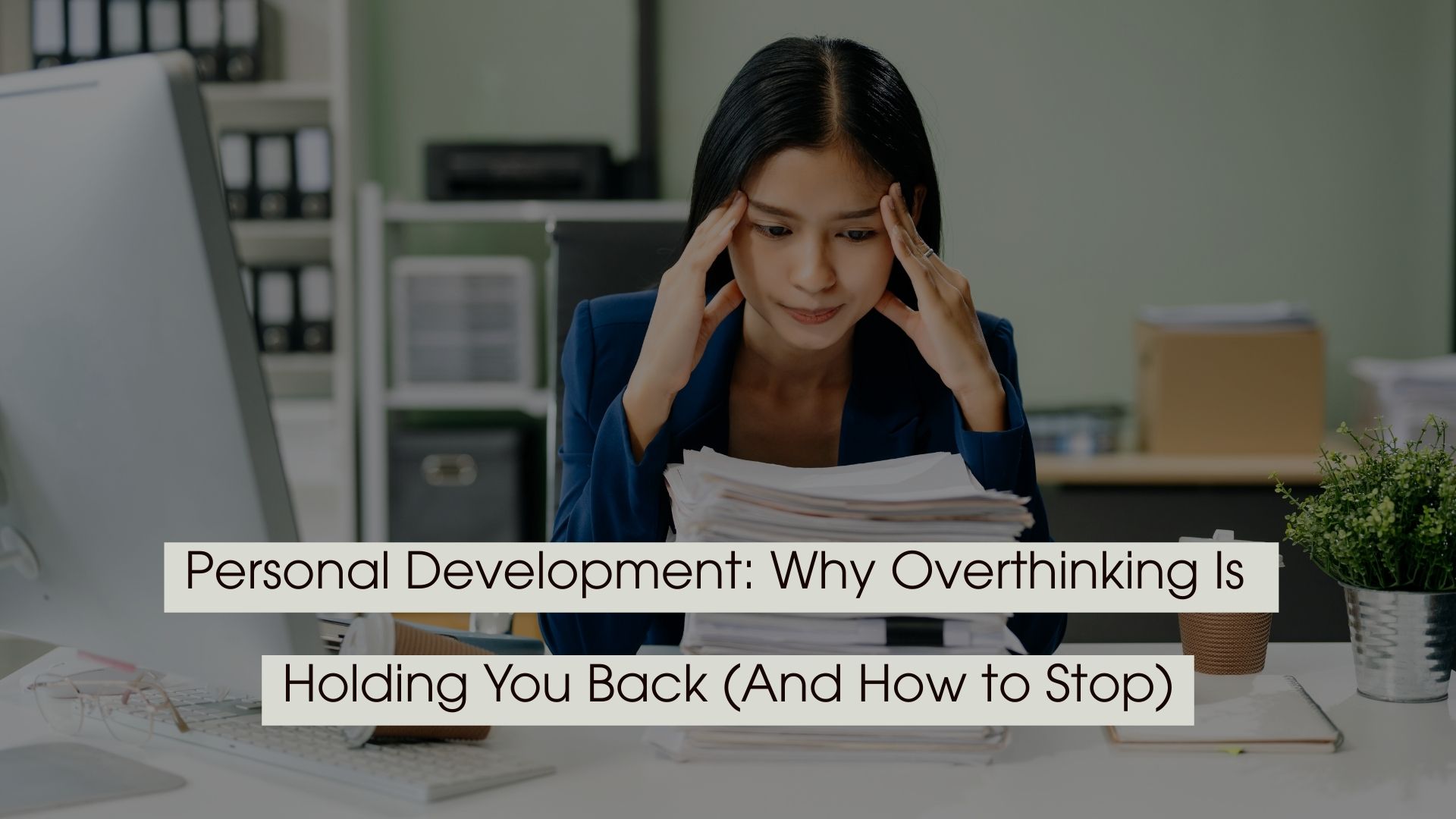
Personal Development: Why Overthinking Is Holding You Back (And How to Stop)
Overthinking feels safe, but it quietly steals your momentum, confidence, and clarity. The more you analyze, the less you act….
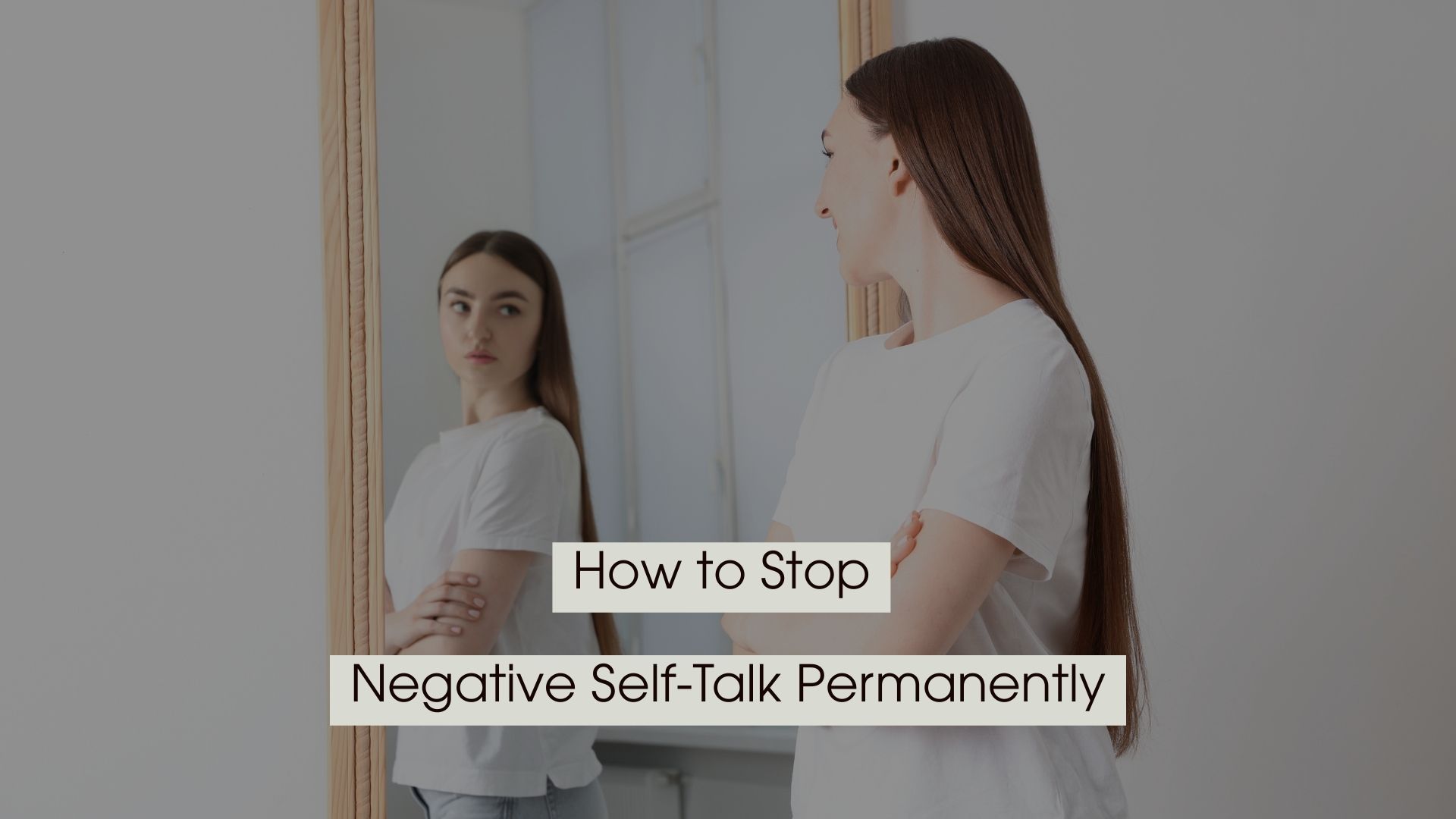
How Stop Negative Self-Talk Permanently
Negative self-talk is not permanent, it is a learned pattern that can be rewired. Through awareness, cognitive restructuring, and self-compassion,…