Table of Contents
- Motivation vs Discipline – Vusi Thembekwayo
- Motivation vs. Self-Discipline: What’s the Difference?
- The Psychology Behind Self-Discipline
- Why Motivation Fails
- The Science of Habit and Discipline
- The Compound Effect of Discipline
- How to Build Self-Discipline (Step-by-Step)
- Common Myths About Self-Discipline
- Sources & Further Reading
Personal development advice often tells you to “stay motivated.”
But here’s the truth: motivation is unreliable.
Some days you feel inspired. Other days, you don’t.
If your success depends on how you feel, your progress will always fluctuate. Self-discipline, however, creates results regardless of mood.
The most successful people don’t rely on bursts of inspiration, they rely on systems, habits, and discipline.
Motivation vs Discipline – Vusi Thembekwayo
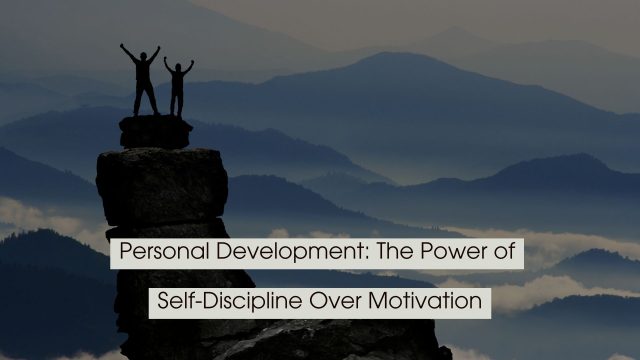
Motivation vs. Self-Discipline: What’s the Difference?
Motivation
- Emotion-driven
- Temporary
- Influenced by environment and mood
- Reactive
Self-Discipline
- Habit-driven
- Consistent
- Independent of emotion
- Proactive
Motivation gets you started.
Self-discipline keeps you going.
The Psychology Behind Self-Discipline
Research shows that long-term achievement is more closely tied to self-control than raw intelligence. In a landmark study by Angela Duckworth, perseverance and sustained effort, what she calls “grit”, were stronger predictors of success than talent.
In her book Grit: The Power of Passion and Perseverance, Duckworth explains that consistent effort over time compounds into extraordinary achievement.
Self-discipline is essentially applied grit.
Why Motivation Fails
1. It’s Emotion-Dependent
Motivation rises when things are exciting and disappears when things are difficult. But growth happens precisely when things get hard.
2. It Doesn’t Survive Obstacles
When obstacles appear, motivation weakens. Discipline adapts.
3. It Creates a Waiting Habit
If you wait to “feel ready,” you train your brain to delay action.
Waiting is the enemy of progress.
The Science of Habit and Discipline
Habits automate behavior. Once a behavior becomes automatic, it requires less willpower.
In Atomic Habits, James Clear explains that small daily improvements lead to remarkable results over time. Systems beat goals.
Discipline becomes easier when:
- The environment supports your habits
- The action is tied to identity
- The behavior is repeated consistently
Neuroscience research on habit formation shows repeated actions strengthen neural pathways, making disciplined behavior more automatic.
The Compound Effect of Discipline
Discipline doesn’t produce dramatic results overnight. Instead, it creates incremental progress that compounds.
Daily writing → A finished book
Daily workouts → A transformed body
Daily saving → Financial freedom
Daily practice → Mastery
Personal development thrives on repetition, not intensity.
How to Build Self-Discipline (Step-by-Step)
1. Focus on Identity, Not Outcomes
Instead of:
- “I want to get fit.”
Say:
- “I am someone who trains consistently.”
Identity-based habits reinforce discipline.
2. Remove Friction
Make good habits easier:
- Lay out workout clothes the night before.
- Keep healthy food visible.
- Silence notifications during work blocks.
Discipline thrives in structured environments.
3. Use the “Do It Anyway” Rule
Commit to action regardless of mood.
You don’t negotiate with discipline.
4. Start Small
Overloading your willpower leads to burnout.
Build momentum through small, repeatable actions.
5. Track Consistency
Track streaks, not perfection.
Miss once? Resume immediately.
Never miss twice.
6. Build Recovery Into Your System
Discipline isn’t punishment. Rest and recovery sustain long-term consistency.
Signs You’re Becoming More Disciplined
- You act without waiting for motivation.
- You complete tasks even when inconvenient.
- You follow routines consistently.
- You delay gratification more easily.
- You prioritize long-term goals over short-term comfort.
Progress becomes predictable.
The Long-Term Impact of Self-Discipline
When discipline replaces motivation:
- Productivity increases.
- Confidence strengthens.
- Stress decreases.
- Goals become achievable.
- Self-trust grows.
You stop relying on emotional highs and start building reliable systems.
That’s when personal development accelerates.
Common Myths About Self-Discipline
Myth 1: Disciplined People Have Stronger Willpower
Truth: They rely on systems and habits, not willpower alone.
Myth 2: Discipline Means Being Rigid
Truth: Discipline allows flexibility because it creates stability.
Myth 3: You Either Have It or You Don’t
Truth: Discipline is trainable.
About the Author
David A. Caren is the creator of Emotional Optimization™ – helping high-performing professionals rewire emotional patterns for clarity, calm, and success.
Book a Free Consultation
Sources & Further Reading
- Angela Duckworth – Research on grit and perseverance
- Grit: The Power of Passion and Perseverance
- James Clear – Habit formation insights
- Atomic Habits
- Baumeister, R. F. (2012). Research on self-control and willpower
- Stanford behavior design research on habit loops
Is self-discipline more important than motivation?
Yes. Motivation may initiate action, but discipline sustains long-term progress.
Can self-discipline be learned?
Absolutely. Through repetition, habit-building, and environmental design, discipline strengthens over time.
How long does it take to build discipline?
Habit formation varies, but consistent repetition over weeks or months significantly increases automatic behavior.
What’s the fastest way to increase discipline?
Start small, remove distractions, and focus on consistency rather than intensity.
Does discipline reduce creativity?
No. Discipline creates structure, which actually supports sustained creative output.
Decision Fatigue and Burnout: The Silent Path to Mental Exhaustion
Decision fatigue is a hidden contributor to burnout. When individuals make too many decisions without rest, mental energy declines, leading…

Emotional Intelligence: The Hidden Skill That Drives Personal Growth
Drives Personal Growth: Emotional intelligence is the hidden skill behind personal growth. By improving self-awareness, emotional control, and empathy, you…
Perfectionism and Burnout: How Perfectionism Leads to Chronic Stress and Emotional Exhaustion
Perfectionism can quietly lead to burnout by creating constant pressure, self-criticism, and unrealistic expectations. Understanding the link between perfectionism and…
Overthinking and Burnout: The Hidden Link Between Mental Overload and Emotional Exhaustion
Overthinking can silently lead to burnout by keeping the brain in a constant state of mental activity. Understanding the link…
Chronic Stress and Burnout: How Long-Term Stress Turns Into Emotional Exhaustion
Chronic stress can gradually evolve into burnout when the brain and body remain under constant pressure without adequate recovery. Recognizing…
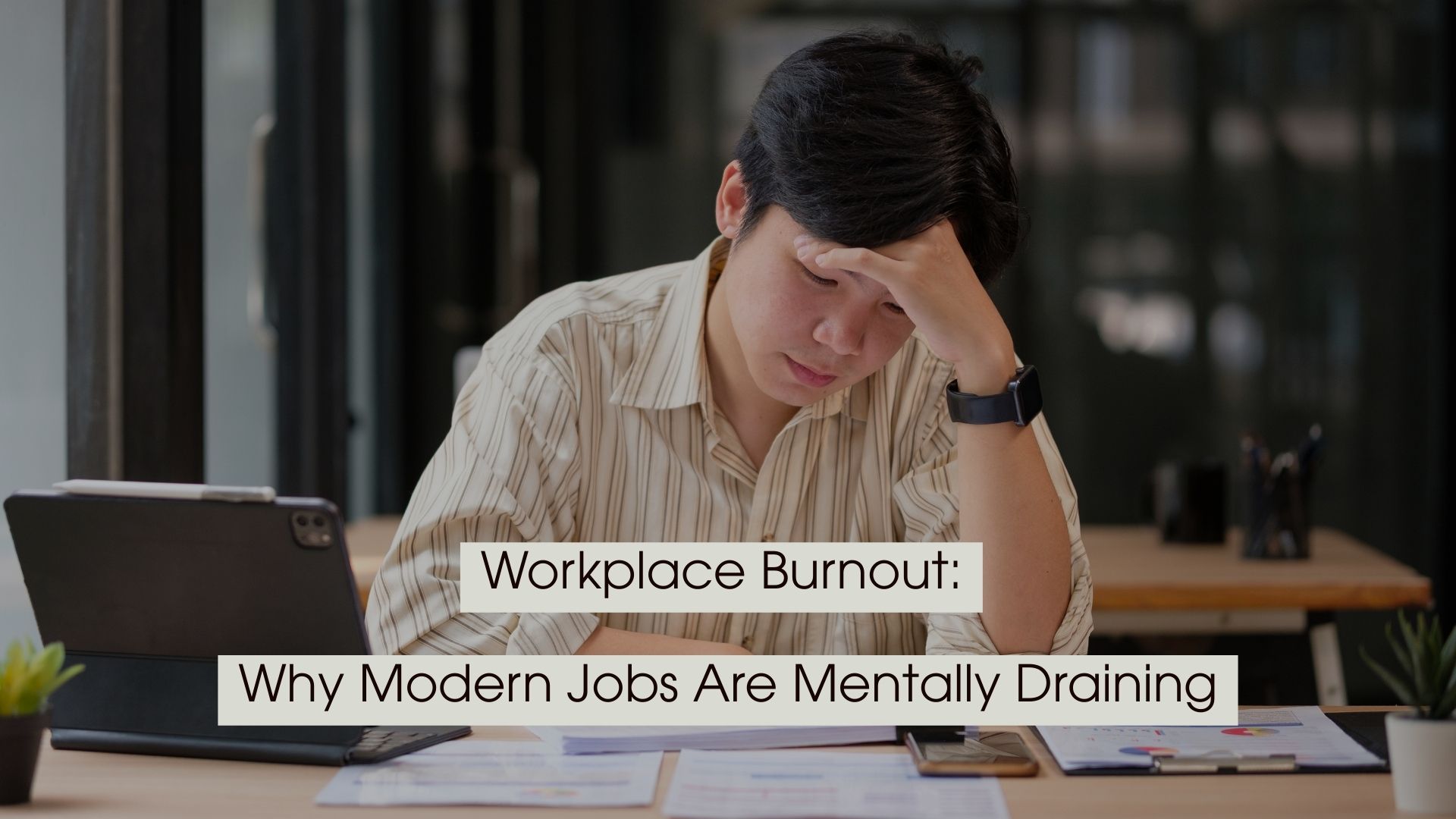
Workplace Burnout: Why Modern Jobs Are Mentally Draining
Workplace burnout is becoming increasingly common as modern jobs demand constant productivity and connectivity. Understanding the causes of burnout can…