Table of Contents
Over the past decade, the idea of hustle culture has gained widespread popularity. Social media, entrepreneurial communities, and productivity influencers often promote the idea that constant work and relentless ambition are the keys to success.
Phrases like “rise and grind,” “sleep when you're dead,” and “work harder than everyone else” have become common motivational messages.
While ambition and dedication are valuable traits, hustle culture has also created a harmful narrative: that rest is weakness and productivity should never stop.
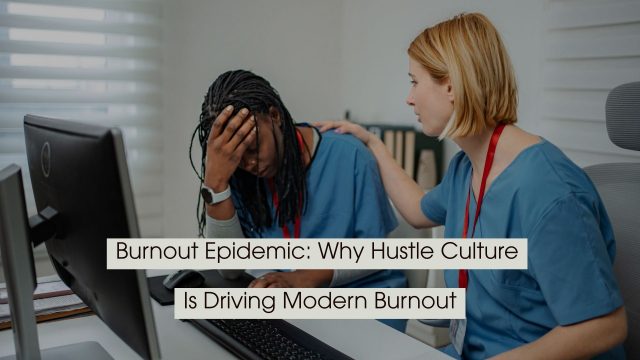
This mindset has contributed to a growing burnout epidemic, where individuals push themselves beyond healthy limits in pursuit of success.
Burnout is a state of emotional, mental, and physical exhaustion caused by prolonged stress. According to the World Health Organization, burnout is characterized by emotional exhaustion, mental detachment from work, and reduced effectiveness.
Understanding the relationship between hustle culture and burnout is essential for building healthier and more sustainable approaches to success.
The Paradox of Hustle Culture
What Is Hustle Culture?
Hustle culture refers to a social mindset that glorifies overwork, constant productivity, and relentless ambition.
In hustle culture, success is often portrayed as the result of:
- Working extremely long hours
- Sacrificing personal time and relationships
- Prioritizing productivity above well-being
While hard work is an important component of achievement, hustle culture encourages the belief that success requires constant effort without rest.
This mindset can create unrealistic expectations about what sustainable productivity looks like.
How Hustle Culture Encourages Burnout
Glorification of Overwork
One of the defining characteristics of hustle culture is the celebration of excessive work.
Working late nights, skipping vacations, and sacrificing personal life are often presented as signs of dedication and success.
However, chronic overwork increases stress levels and reduces opportunities for recovery.
Constant Comparison
Social media platforms often showcase curated success stories of entrepreneurs, influencers, and professionals who appear to work nonstop.
This constant exposure can create pressure to match the productivity levels of others.
Psychologist Leon Festinger introduced the concept of social comparison, explaining that people evaluate themselves based on the achievements of others.
When individuals constantly compare their productivity to others, they may push themselves beyond healthy limits.
Fear of Falling Behind
Hustle culture often promotes the idea that slowing down means losing opportunities.
This belief can lead individuals to overwork out of fear that competitors or peers will surpass them.
Over time, this pressure can create chronic stress.
Lack of Recovery Time
Productivity-focused environments may discourage rest or downtime.
Without adequate recovery, the brain and body remain under constant pressure.
Research summarized by the American Psychological Association shows that chronic stress without recovery significantly increases the risk of burnout.
The Psychological Effects of Hustle Culture
Hustle culture does not only affect productivity, it also impacts mental health.
Common psychological effects include:
- Emotional exhaustion
- Anxiety and stress
- Reduced motivation
- Sleep disturbances
- Difficulty concentrating
These symptoms often develop gradually as individuals maintain high levels of effort without sufficient recovery.
The Productivity Paradox
One of the most surprising findings in productivity research is that working more does not always lead to better results.
Continuous work without rest often leads to:
- Reduced focus
- Increased mistakes
- Lower creativity
- Poor decision-making
The brain requires periods of recovery to maintain optimal performance.
Overworking can actually reduce productivity over time.
Why Sustainable Success Requires Balance
Sustainable success is built on consistent effort combined with adequate recovery.
High-performing individuals often prioritize habits that support long-term well-being, such as:
- Regular sleep
- Exercise
- Personal relationships
- Time for relaxation
These habits help maintain mental clarity and resilience.
Success that depends entirely on constant overwork is rarely sustainable.
How to Avoid Burnout in a Hustle Culture Environment
Redefine Success
Success should not be measured only by hours worked.
Balanced productivity includes maintaining health, relationships, and well-being.
Prioritize Recovery
Rest, relaxation, and leisure activities help restore mental energy.
Recovery improves long-term productivity.
Set Realistic Work Expectations
Recognize that productivity naturally fluctuates.
Allowing time for rest prevents chronic exhaustion.
Limit Social Media Comparisons
Reducing exposure to unrealistic productivity standards can help individuals maintain healthier expectations.
Focus on Sustainable Growth
Sustainable progress involves consistent effort combined with recovery and reflection.
Long-term success requires endurance, not constant exhaustion.
Conclusion
Hustle culture has reshaped modern attitudes toward work and productivity. While ambition and dedication can drive achievement, the glorification of constant work has also contributed to a growing burnout epidemic.
Chronic overwork, social comparison, and fear of falling behind create conditions where individuals feel pressured to push beyond healthy limits.
Understanding the impact of hustle culture allows individuals to adopt more sustainable approaches to success.
True productivity is not about working endlessly, it is about balancing effort with recovery.
By redefining success, protecting personal well-being, and prioritizing sustainable work habits, individuals can pursue their goals without sacrificing their mental health.
Sources and Further Reading
- Leon Festinger – Social comparison theory
- American Psychological Association – Research on workplace stress and mental health
- World Health Organization – Burnout definition and occupational health research
- Maslach, C. & Leiter, M. (2016). Burnout
- Research on workplace productivity and stress
About the Author
David A. Caren is the creator of Emotional Optimization™ – helping high-performing professionals rewire emotional patterns for clarity, calm, and success.
Book a Free Consultation
What is hustle culture?
Hustle culture is a mindset that promotes constant productivity, long working hours, and relentless ambition as the path to success.
How does hustle culture cause burnout?
Hustle culture encourages overwork and discourages rest, leading to chronic stress and emotional exhaustion.
Can overworking reduce productivity?
Yes. Continuous work without recovery can reduce focus, creativity, and decision-making ability.
How can I avoid burnout in hustle culture?
Setting boundaries, prioritizing rest, and redefining success beyond constant productivity can help prevent burnout.
Is hustle culture harmful to mental health?
In many cases, yes. Constant pressure to perform can increase stress, anxiety, and burnout risk.
Managing Emotional Triggers Effectively: How to Stay in Control When Emotions Run High
A tired woman working late at a desk rubs the bridge of her nose while sitting in front of a…

How to Stay Calm in Stressful Situations: Practical Strategies for Emotional Control and Mental Clarity
How to Stay Calm in Stressful Situations: Staying calm in stressful situations is a skill built through emotional awareness, self-control,…

Building Mental Toughness in Everyday Life: How to Stay Strong, Resilient, and Unshakable
Building Mental Toughness: Mental toughness is built through everyday habits like discipline, emotional control, and resilience. By embracing discomfort and…

How to Stay Calm Under Pressure: Proven Strategies for Emotional Control and Clear Thinking
How to Stay Calm Under Pressure: Staying calm under pressure is a skill that can be developed through emotional control,…
The Power of Emotional Self-Control: Master Your Reactions, Master Your Life
Power of Emotional Self-Control: Emotional self-control is the ability to manage your reactions and respond thoughtfully under pressure. By developing…
How to Control Your Emotions Under Pressure (Proven Strategies for Staying Calm and Focused)
How to Control Your Emotions: Controlling your emotions under pressure is a skill that can be developed. By practicing awareness,…