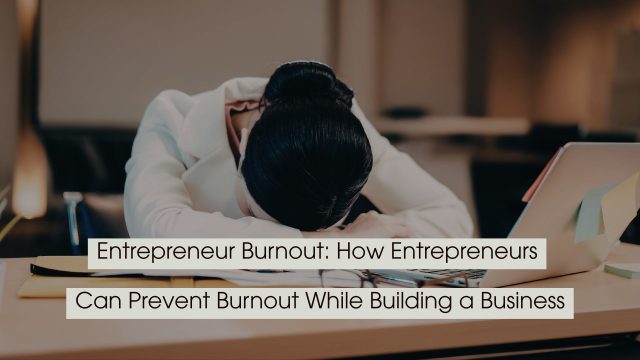
Entrepreneurship is often portrayed as exciting and rewarding. Building a business offers independence, creativity, and the opportunity to create meaningful impact. However, behind the success stories lies a challenge many founders face: entrepreneur burnout.
Entrepreneurs frequently work long hours, make constant decisions, and carry the responsibility of managing finances, employees, and business growth. These pressures can create continuous stress that gradually drains mental and emotional energy.
Burnout is a state of emotional, mental, and physical exhaustion caused by prolonged stress. According to the World Health Organization, burnout is characterized by emotional exhaustion, detachment from responsibilities, and reduced effectiveness.
For entrepreneurs, burnout can be particularly dangerous because the health of the business often depends on the founder’s energy and leadership.
Learning how to prevent burnout while building a business is essential for sustainable entrepreneurship and long-term success.
How To Avoid Burnout As An Entrepreneur
Why Entrepreneurs Are More Vulnerable to Burnout
Entrepreneurs often face unique pressures that increase the risk of burnout.
Long Working Hours
Many founders work significantly longer hours than traditional employees. Early-stage businesses often require continuous effort to build products, attract customers, and manage operations.
Without sufficient rest, mental fatigue gradually accumulates.
Financial Pressure
Entrepreneurs often carry financial responsibility for their business, employees, and sometimes investors.
Uncertainty about income and financial stability can create constant stress.
Decision Overload
Running a business requires making frequent decisions about strategy, hiring, marketing, and operations.
Psychologist Roy F. Baumeister explains that continuous decision-making consumes mental energy and can lead to decision fatigue.
Over time, decision fatigue contributes to burnout.
Emotional Responsibility
Entrepreneurs often feel responsible not only for their business but also for their employees and customers.
This emotional pressure can increase stress levels.
Isolation
Founders may feel isolated because they have fewer peers who understand the challenges of entrepreneurship.
Without support systems, stress can intensify.
Signs of Entrepreneur Burnout
Burnout often develops gradually, making early recognition important.
Common signs include:
- Persistent fatigue
- Loss of motivation
- Difficulty concentrating
- Increased irritability
- Declining productivity
- Feeling emotionally detached from the business
Research summarized by the American Psychological Association shows that chronic stress can impair decision-making, creativity, and emotional regulation.
These effects can significantly impact business performance.
Strategies Entrepreneurs Can Use to Prevent Burnout
Set Realistic Expectations
Many entrepreneurs place intense pressure on themselves to achieve rapid success.
Setting realistic goals allows founders to maintain progress without constant stress.
Prioritize Rest and Recovery
Sleep, exercise, and downtime are essential for maintaining mental clarity and energy.
Rest improves creativity, decision-making, and emotional resilience.
Delegate Responsibilities
Entrepreneurs often try to manage every aspect of the business themselves.
Delegating tasks to employees or contractors reduces workload and allows founders to focus on high-impact activities.
Create Structured Work Routines
Clear daily schedules can reduce decision fatigue and improve productivity.
Structured routines help entrepreneurs maintain balance between work and recovery.
Build a Support Network
Connecting with mentors, advisors, or fellow entrepreneurs provides emotional support and valuable guidance.
Sharing experiences with others who understand the challenges of entrepreneurship can reduce feelings of isolation.
Focus on Long-Term Sustainability
Entrepreneurship is often a long journey rather than a short sprint.
Maintaining consistent effort while protecting mental health helps founders sustain performance over time.
The Role of Mental Health in Entrepreneurship
Mental health plays a critical role in entrepreneurial success.
When entrepreneurs experience burnout, their ability to make decisions, manage teams, and innovate can decline.
Protecting mental well-being helps founders maintain clarity, creativity, and leadership effectiveness.
Entrepreneurs who prioritize well-being are often better equipped to handle challenges and adapt to change.
Building a Sustainable Business
Sustainable businesses are built by leaders who manage their energy wisely.
Entrepreneurs who create balanced routines and supportive environments are more likely to maintain motivation and resilience.
Preventing burnout is not about reducing ambition, it is about building systems that support both productivity and recovery.
Conclusion
Entrepreneurship can be one of the most rewarding career paths, but it also comes with significant pressure and responsibility.
Long working hours, financial uncertainty, decision overload, and emotional responsibility can gradually lead to burnout if not managed carefully.
Recognizing the signs of burnout and adopting preventive strategies can help entrepreneurs protect their mental health while building successful businesses.
By setting realistic expectations, prioritizing rest, delegating responsibilities, and maintaining strong support networks, founders can sustain their energy and leadership over the long term.
Entrepreneurial success is not only about working harder, it is about building a sustainable path that supports both business growth and personal well-being.
Sources and Further Reading
- Roy F. Baumeister – Research on decision fatigue and cognitive resources
- Christina Maslach – Burnout research and Maslach Burnout Inventory
- World Health Organization – Burnout definition and occupational health research
- American Psychological Association – Studies on workplace stress and mental health
- Maslach, C. & Leiter, M. (2016). Burnout
About the Author
David A. Caren is the creator of Emotional Optimization™ – helping high-performing professionals rewire emotional patterns for clarity, calm, and success.
Book a Free Consultation
Why are entrepreneurs more prone to burnout?
Entrepreneurs often face long working hours, financial pressure, constant decision-making, and high responsibility for business outcomes.
How can entrepreneurs prevent burnout?
Setting realistic expectations, prioritizing rest, delegating tasks, and maintaining support networks can help prevent burnout.
Can burnout affect business performance?
Yes. Burnout can impair decision-making, creativity, and leadership effectiveness.
How can founders manage stress?
Regular exercise, mindfulness, structured routines, and support from mentors can help manage entrepreneurial stress.
Is entrepreneur burnout reversible?
Yes. With proper rest, lifestyle adjustments, and improved work habits, entrepreneurs can recover from burnout.

What Successful People Do Differently Every Day (Daily Habits That Drive Success)
Successful people achieve more by focusing on consistent daily habits rather than relying on motivation. Through discipline, planning, and continuous…

How to Stop Procrastination and Take Action Immediately (Proven Strategies That Work)
Procrastination is driven by avoidance and fear, not laziness. By breaking tasks into small steps, taking immediate action, and removing…

What Is Self-Discipline and Why It Matters: The Foundation of Success and Personal Growth
Self-discipline is the ability to stay committed to your goals, even when motivation fades. By developing consistent habits, strengthening self-control,…

How to Transform Your Life One Day at a Time: Small Daily Changes That Lead to Extraordinary Results
Transform Your Life One Day at a Time: Transforming your life doesn’t happen overnight, it happens one day at a…

How to Develop Unbreakable Self-Discipline: The Ultimate Guide to Building Mental Strength and Consistency
Developing unbreakable self-discipline isn’t about relying on endless motivation or willpower. It’s about building consistent habits, keeping promises to yourself,…
How to Strengthen Your Willpower Every Day: Practical Strategies for Better Self-Control
Strengthening your willpower starts with small, intentional decisions. By reducing distractions, practicing delayed gratification, building supportive routines, and keeping promises…