Table of Contents
- Increase your self-awareness with one simple fix | Tasha Eurich | TEDxMileHigh
- What is Self-awareness?
- Why Self-Awareness Is Essential for Personal Development
- The Link Between Self-Awareness and Decision-Making
- How Self-Awareness Improves Decision Quality
- The Role of Emotional Intelligence
- Signs of Low Self-Awareness
- Practical Ways to Develop Self-Awareness
- Self-Awareness and Long-Term Growth
- Conclusion
- Sources and Further Reading
Personal development is not only about building new skills or achieving goals, it begins with understanding yourself.
Self-awareness is the ability to recognize your thoughts, emotions, behaviors, strengths, and weaknesses. It provides a clear view of how you respond to situations and why you make certain decisions.
Without self-awareness, individuals often operate on autopilot, repeating patterns that may not support their growth. With self-awareness, people gain the ability to make intentional choices, improve behavior, and align their actions with their goals.
Psychologist Daniel Goleman highlights self-awareness as a core component of emotional intelligence, emphasizing its importance in both personal and professional success.
Developing self-awareness is one of the most powerful steps toward improving decision-making and accelerating personal development.
Increase your self-awareness with one simple fix | Tasha Eurich | TEDxMileHigh
What is Self-awareness?
Self-awareness is the ability to observe and understand your internal experiences, including:
- Thoughts
- Emotions
- Beliefs
- Motivations
- Behaviors
It also involves recognizing how your actions affect others and how external situations influence your reactions.
Self-awareness creates a deeper understanding of who you are and how you interact with the world.
Why Self-Awareness Is Essential for Personal Development
Personal development requires intentional change, and change begins with awareness.
Without understanding your habits and patterns, it is difficult to identify what needs improvement.
Self-awareness helps individuals:
- Recognize strengths and weaknesses
- Identify limiting beliefs
- Understand emotional triggers
- Set meaningful goals
This clarity allows individuals to focus on areas that support growth.
The Link Between Self-Awareness and Decision-Making
Every decision is influenced by internal thoughts, emotions, and beliefs.
When individuals lack self-awareness, decisions may be driven by:
- Impulse
- Fear
- Habit
- External pressure
With self-awareness, individuals can pause and evaluate their choices more carefully.
This leads to more thoughtful and intentional decision-making.
How Self-Awareness Improves Decision Quality
1. Reduces Emotional Reactivity
Self-aware individuals can recognize their emotions before acting on them.
Instead of reacting impulsively, they can choose responses that align with their goals.
2. Clarifies Values and Priorities
Understanding your values helps guide decisions.
When choices align with personal values, individuals experience greater satisfaction and consistency.
3. Improves Problem-Solving
Self-awareness allows individuals to evaluate situations objectively.
By recognizing biases and assumptions, they can approach problems more effectively.
4. Enhances Confidence
When individuals understand their strengths and limitations, they make decisions with greater confidence.
Confidence grows from clarity.
The Role of Emotional Intelligence
Self-awareness is a key component of emotional intelligence.
According to Daniel Goleman, emotional intelligence includes:
- Self-awareness
- Self-regulation
- Motivation
- Empathy
- Social skills
These abilities improve communication, relationships, and decision-making.
Individuals with higher emotional intelligence tend to perform better in both personal and professional environments.
Signs of Low Self-Awareness
Recognizing a lack of self-awareness can help individuals begin improving it.
Common signs include:
- Repeating the same mistakes
- Difficulty understanding emotions
- Blaming external factors for outcomes
- Acting impulsively
- Struggling with decision-making
These patterns often limit personal growth.
Practical Ways to Develop Self-Awareness
Practice Self-Reflection
Regular reflection helps individuals understand their thoughts and behaviors.
Journaling or reviewing daily experiences can provide valuable insights.
Ask for Feedback
Feedback from others can reveal blind spots.
Constructive feedback helps individuals understand how their actions are perceived.
Observe Emotional Reactions
Pay attention to emotional triggers and responses.
Understanding emotions helps individuals manage them more effectively.
Practice Mindfulness
Mindfulness encourages individuals to focus on the present moment.
This awareness helps identify thoughts and emotions without judgment.
Evaluate Decisions
After making decisions, reflect on the outcomes.
Consider what worked well and what could be improved.
Self-Awareness and Long-Term Growth
Self-awareness is not a one-time achievement, it is an ongoing process.
As individuals grow and encounter new experiences, their understanding of themselves continues to evolve.
Maintaining self-awareness helps individuals:
- Adapt to change
- Improve relationships
- Set better goals
- Make more effective decisions
This continuous process supports long-term personal development.
Conclusion
Self-awareness is one of the most powerful tools for personal development and decision-making.
By understanding your thoughts, emotions, and behaviors, you gain the ability to make intentional choices and improve your life.
Self-awareness helps reduce impulsive reactions, clarify priorities, and strengthen confidence.
It allows individuals to break negative patterns and create habits that support growth.
Personal development begins with understanding yourself. When you develop self-awareness, you gain the clarity needed to make better decisions and build a more purposeful and fulfilling life.
Sources and Further Reading
- Daniel Goleman – Research on emotional intelligence
- American Psychological Association – Studies on self-awareness and behavior
- Goleman, D. (1995). Emotional Intelligence
- Research on cognitive psychology and decision-making
About the Author
David A. Caren is the creator of Emotional Optimization™ – helping high-performing professionals rewire emotional patterns for clarity, calm, and success.
Book a Free Consultation
What is self-awareness in personal development?
Self-awareness is the ability to understand your thoughts, emotions, and behaviors and how they influence your actions.
Why is self-awareness important for decision-making?
It helps individuals make intentional choices instead of reacting impulsively.
How can I improve self-awareness?
Practicing reflection, mindfulness, and seeking feedback can help improve self-awareness.
Can self-awareness improve relationships?
Yes. Understanding your emotions and behaviors helps improve communication and empathy.
Is self-awareness a skill?
Yes. Self-awareness can be developed and strengthened through consistent practice.
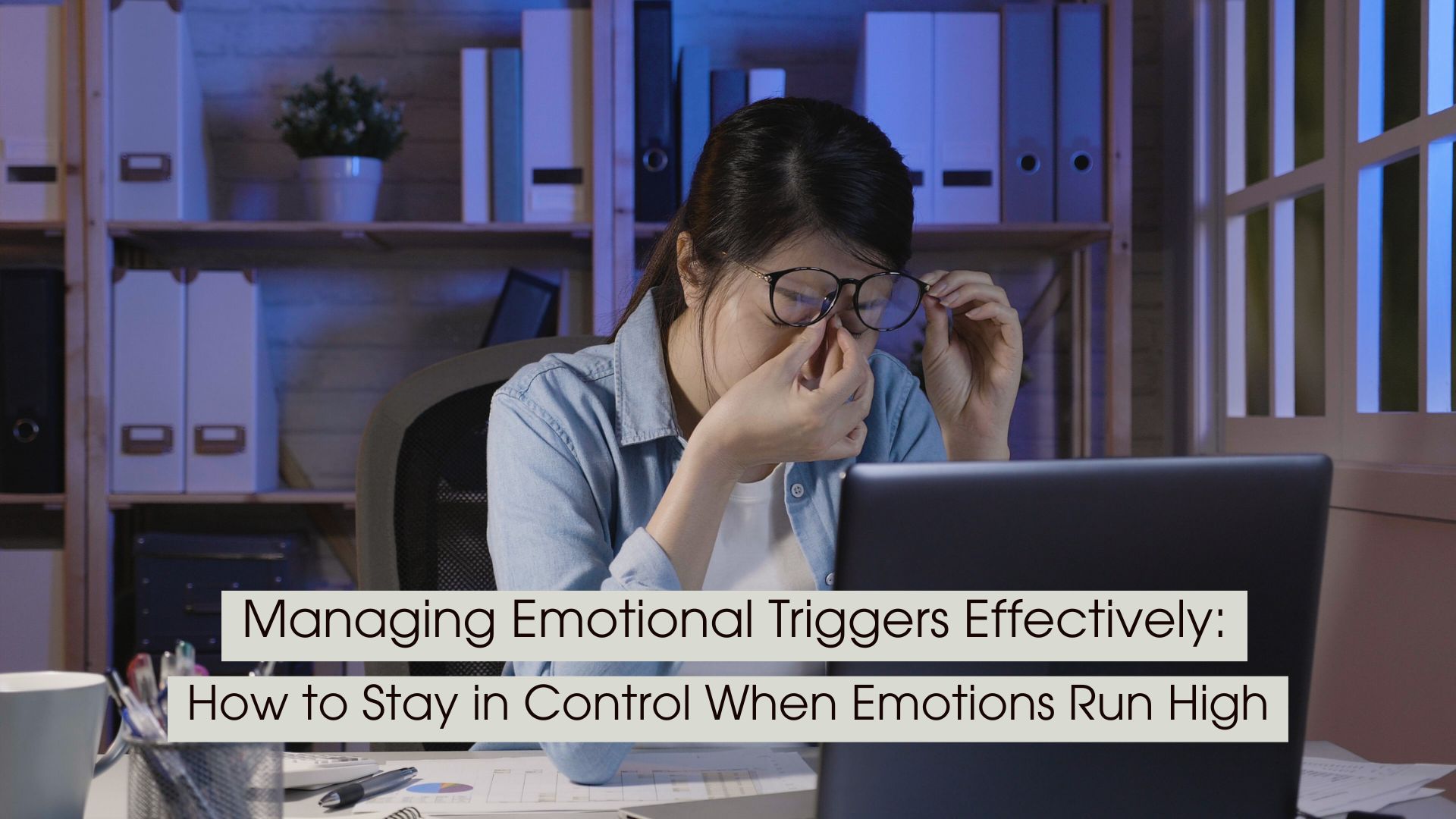
Managing Emotional Triggers Effectively: How to Stay in Control When Emotions Run High
A tired woman working late at a desk rubs the bridge of her nose while sitting in front of a…

How to Stay Calm in Stressful Situations: Practical Strategies for Emotional Control and Mental Clarity
How to Stay Calm in Stressful Situations: Staying calm in stressful situations is a skill built through emotional awareness, self-control,…

Building Mental Toughness in Everyday Life: How to Stay Strong, Resilient, and Unshakable
Building Mental Toughness: Mental toughness is built through everyday habits like discipline, emotional control, and resilience. By embracing discomfort and…

How to Stay Calm Under Pressure: Proven Strategies for Emotional Control and Clear Thinking
How to Stay Calm Under Pressure: Staying calm under pressure is a skill that can be developed through emotional control,…
The Power of Emotional Self-Control: Master Your Reactions, Master Your Life
Power of Emotional Self-Control: Emotional self-control is the ability to manage your reactions and respond thoughtfully under pressure. By developing…
How to Control Your Emotions Under Pressure (Proven Strategies for Staying Calm and Focused)
How to Control Your Emotions: Controlling your emotions under pressure is a skill that can be developed. By practicing awareness,…