Table of Contents
- What is Resilience and Why is it Important to Mental Health? Part 18
- What Is Mental Resilience?
- The Science Behind Resilience
- Why Mental Resilience Matters for Personal Development
- The Key Components of Mental Resilience
- Practical Strategies to Build Mental Resilience
- The Role of Habits in Resilience
- Resilience and Growth
- Conclusion
- Sources and Further Reading
Life inevitably brings challenges, unexpected setbacks, failures, stress, and uncertainty. While some people struggle to cope with adversity, others are able to recover, adapt, and even grow stronger from difficult experiences.
This ability is known as mental resilience.
Mental resilience is not about avoiding stress or pretending that difficulties do not exist. It is the capacity to adapt, recover, and continue moving forward despite adversity.
Psychological research shows that resilience is not an inborn trait reserved for a few individuals. It is a skill that can be developed through consistent mental habits and behaviors.
According to the American Psychological Association, resilience involves behaviors, thoughts, and actions that can be learned and strengthened over time.
Understanding the science behind mental resilience can help individuals build emotional strength, manage stress more effectively, and improve long-term personal development.
What is Resilience and Why is it Important to Mental Health? Part 18
What Is Mental Resilience?
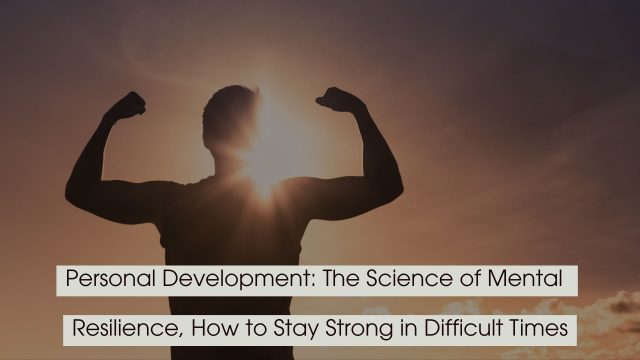
Mental resilience refers to the ability to cope with stress, adapt to change, and recover from adversity.
Resilient individuals are not immune to difficulties, they experience stress and challenges like everyone else. The difference lies in how they respond.
Key characteristics of resilient individuals include:
- Emotional stability
- Adaptability
- Persistence
- Optimism
- Problem-solving ability
These traits allow individuals to navigate challenges without becoming overwhelmed.
The Science Behind Resilience
Mental resilience is closely linked to how the brain processes stress.
When individuals face challenges, the body activates the stress response, releasing hormones such as cortisol and adrenaline.
Neuroscientist Robert Sapolsky explains that while short-term stress can enhance focus and performance, prolonged stress without recovery can impair cognitive function and emotional regulation.
Resilience helps regulate this stress response, allowing individuals to maintain balance even in difficult situations.
Why Mental Resilience Matters for Personal Development
Resilience plays a critical role in personal development because growth often occurs through challenges.
Without resilience, individuals may:
- Avoid difficult situations
- Give up after setbacks
- Experience prolonged stress
With resilience, individuals are more likely to:
- Learn from failure
- Persist through obstacles
- Adapt to change
- Maintain motivation
Resilience allows individuals to continue progressing even when circumstances are difficult.
The Key Components of Mental Resilience
1. Emotional Regulation
Resilient individuals can manage their emotions effectively.
Instead of reacting impulsively, they pause, reflect, and choose responses that align with their goals.
2. Positive Thinking
Positive thinking does not ignore challenges but focuses on solutions and possibilities.
Psychologist Martin Seligman emphasizes that optimism can improve coping strategies and increase resilience.
3. Cognitive Flexibility
Cognitive flexibility is the ability to adapt thinking patterns in response to changing situations.
This flexibility helps individuals adjust their approach when facing obstacles.
4. Strong Support Systems
Social connections provide emotional support during difficult times.
Having supportive relationships can significantly improve resilience.
5. Sense of Purpose
A clear sense of purpose provides motivation and direction.
When individuals understand why their goals matter, they are more likely to persist through challenges.
Practical Strategies to Build Mental Resilience
Practice Self-Awareness
Understanding your thoughts and emotions helps you respond to challenges more effectively.
Self-awareness allows you to identify stress triggers and manage reactions.
Develop Healthy Coping Mechanisms
Healthy coping strategies include:
- Exercise
- Meditation
- Deep breathing
- Journaling
These practices help regulate stress and improve emotional stability.
Focus on What You Can Control
Many stressful situations involve factors outside your control.
Focusing on what you can influence reduces anxiety and increases a sense of control.
Build Problem-Solving Skills
Approaching challenges as problems to solve rather than obstacles to avoid encourages proactive behavior.
Problem-solving improves confidence and resilience.
Maintain Perspective
Difficult situations often feel overwhelming in the moment.
Maintaining a broader perspective helps individuals recognize that challenges are temporary.
The Role of Habits in Resilience
Resilience is built through consistent habits.
Daily practices such as maintaining routines, prioritizing rest, and practicing gratitude strengthen emotional stability.
Over time, these habits create a foundation for long-term resilience.
Resilience and Growth
Resilience does not only help individuals recover from adversity, it can also lead to growth.
Many individuals report increased confidence, stronger relationships, and greater self-awareness after overcoming challenges.
This phenomenon is sometimes referred to as post-traumatic growth, where individuals experience positive psychological changes following difficult experiences.
Conclusion
Mental resilience is one of the most important skills for personal development.
Life’s challenges are inevitable, but resilience determines how individuals respond to them.
By understanding the science behind resilience and practicing habits that support emotional strength, individuals can improve their ability to cope with stress and adapt to change.
Resilience is not about avoiding difficulties, it is about developing the strength to face them and continue moving forward.
With consistent effort, anyone can build mental resilience and create a foundation for long-term growth, stability, and success.
Sources and Further Reading
- American Psychological Association – Research on resilience and stress
- Robert Sapolsky – Research on stress and brain function
- Martin Seligman – Research on optimism and resilience
- Seligman, M. (2011). Flourish
- Research on stress management and psychological resilience
About the Author
David A. Caren is the creator of Emotional Optimization™ – helping high-performing professionals rewire emotional patterns for clarity, calm, and success.
Book a Free Consultation
What is mental resilience?
Mental resilience is the ability to adapt to stress, recover from challenges, and maintain emotional stability.
Can resilience be learned?
Yes. Resilience is a skill that can be developed through consistent habits and mental training.
Why is resilience important?
Resilience helps individuals cope with stress, overcome challenges, and maintain motivation.
How can I build resilience?
Practicing self-awareness, developing healthy coping strategies, and maintaining supportive relationships can help build resilience.
Does resilience improve mental health?
Yes. Resilience helps regulate stress and supports emotional well-being.

What Is Self-Discipline and Why It Matters: The Foundation of Success and Personal Growth
Self-discipline is the ability to stay committed to your goals, even when motivation fades. By developing consistent habits, strengthening self-control,…


How to Transform Your Life One Day at a Time: Small Daily Changes That Lead to Extraordinary Results
Transform Your Life One Day at a Time: Transforming your life doesn’t happen overnight, it happens one day at a…

How to Develop Unbreakable Self-Discipline: The Ultimate Guide to Building Mental Strength and Consistency
Developing unbreakable self-discipline isn’t about relying on endless motivation or willpower. It’s about building consistent habits, keeping promises to yourself,…
How to Strengthen Your Willpower Every Day: Practical Strategies for Better Self-Control
Strengthening your willpower starts with small, intentional decisions. By reducing distractions, practicing delayed gratification, building supportive routines, and keeping promises…
Personal Development: The Growth Mindset Formula, How to Rewire Your Brain for Success
Personal development begins with one powerful belief: you can improve. The growth mindset formula teaches you how to rewire your…
Personal Development: Why Overthinking Is Holding You Back (And How to Stop)
Overthinking feels safe, but it quietly steals your momentum, confidence, and clarity. The more you analyze, the less you act….