Person holding a book up to their face while reading, symbolizing learning and self-improvement, with the text “Atomic Habits Explained: Small Changes That Lead to Big Results (A Complete Guide to Lasting Change)” displayed across the image.

Most people believe that success comes from big, dramatic changes.

But the truth is: Small, consistent actions create the biggest results over time.

This is the core idea behind Atomic Habits by James Clear.

Instead of focusing on massive goals, the book emphasizes the power of tiny habits, small improvements that compound into significant transformation.

If you want to improve your life, the key is not to aim for perfection, but to focus on getting 1% better every day.

In this article, we’ll break down the main ideas of Atomic Habits and show you how to apply them for lasting personal development.

Atomic Habits Summary 📖 20 Lessons – James Clear

Person holding a book up to their face while reading, symbolizing learning and self-improvement, with the text “Atomic Habits Explained: Small Changes That Lead to Big Results (A Complete Guide to Lasting Change)” displayed across the image.

What Are Atomic Habits?

Atomic habits are small, manageable actions that are easy to repeat.

They may seem insignificant, but when performed consistently, they lead to powerful results.

Examples include:

  • Reading one page a day
  • Exercising for 5–10 minutes
  • Writing a few sentences daily

These small actions build momentum over time.

Why Small Habits Work

Small habits work because they:

  • Are easier to maintain
  • Require less motivation
  • Build consistency
  • Reduce resistance

Big changes often fail because they are difficult to sustain.

Small habits succeed because they are simple and repeatable.

The Power of Compounding

Habits compound just like interest.

Improving by just 1% every day leads to significant progress over time.

This is why consistency is more important than intensity.

The Habit Loop: How Habits Are Formed

Habits follow a loop:

  1. Cue – A trigger
  2. Craving – Desire to act
  3. Response – The behavior
  4. Reward – The benefit

Understanding this loop helps you design better habits.

The 4 Laws of Behavior Change

According to James Clear, habit formation is based on four laws:

1. Make It Obvious

Make your habits visible.

Example:

  • Place your workout clothes where you can see them

This increases the likelihood of action.

2. Make It Attractive

Make habits appealing.

Example:

  • Pair a habit with something you enjoy

This increases motivation.

3. Make It Easy

Reduce friction.

Example:

  • Start with small, simple actions

This makes habits easier to repeat.

4. Make It Satisfying

Reward yourself.

Example:

  • Track progress or celebrate small wins

This reinforces behavior.

How to Build Good Habits

Start Small

Focus on simple actions that are easy to repeat.

Be Consistent

Repeat the behavior daily.

Use Habit Stacking

Attach new habits to existing ones.

Track Progress

Monitor your habits to stay accountable.

How to Break Bad Habits

Make It Invisible

Remove triggers.

Make It Unattractive

Associate negative consequences.

Make It Difficult

Increase friction.

Make It Unsatisfying

Remove rewards.

Identity-Based Habits

One of the most powerful concepts is identity.

Instead of focusing on what you want to achieve, focus on who you want to become.

Example:

  • “I want to run” → “I am a runner”

This shift strengthens behavior.

Why Habits Matter More Than Goals

Goals set direction, but habits determine results.

You don’t rise to the level of your goals, you fall to the level of your systems.

Habits create consistent progress.

Common Mistakes to Avoid

Trying to Change Too Much at Once

Start small and build gradually.

Relying on Motivation

Motivation fades, habits sustain progress.

Ignoring Environment

Your surroundings influence behavior.

Expecting Immediate Results

Habits take time to show results.

The Long-Term Impact of Atomic Habits

Small changes may seem insignificant today.

But over time, they lead to:

  • Improved skills
  • Better productivity
  • Stronger discipline
  • Long-term success

Consistency creates transformation.

Conclusion

Atomic Habits teaches that success is not about big changes, it’s about small, consistent actions.

By focusing on habits instead of goals, you can create lasting improvement.

Personal development is not about perfection, it’s about progress.

Start small, stay consistent, and trust the process.

Because small changes, repeated daily, lead to big results.

Sources and Further Reading

  • James Clear – Atomic Habits
  • Clear, J. (2018). Atomic Habits

About the Author

David A. Caren is the creator of Emotional Optimization™ – helping high-performing professionals rewire emotional patterns for clarity, calm, and success.

Book a Free Consultation

What are atomic habits?

Small habits that are easy to repeat and lead to big results over time.

How do small habits create big results?

Through consistency and compounding.

What are the 4 laws of behavior change?

Make it obvious, attractive, easy, and satisfying.

How can I build good habits?

Start small, stay consistent, and track progress.

Are habits more important than goals?

Yes. Habits determine daily behavior and long-term results.
Tap Into Your Emotional Superpowers:

Reclaim Your Mental & Emotional Resources To Do More, Be More, & LIVE More Fully

The Desire: Reclaim Your Joy, Purpose & Inner Peace with Emotional Optimization

In the hustle and bustle of today's world, do you feel like your emotions are on a rollercoaster with no brakes? Caught in a relentless storm of stress, anxiety, and uncertainty; it's all too easy to feel lost, disconnected from your true self, and powerless in steering the course of your own life.

In the bustling rhythm of modern life, where achievements are often measured in milestones and material success, it's easy to overlook the silent whispers of our inner selves. Like a ship navigating a vast, unpredictable ocean, we often find ourselves lost in the storms of overwhelm, stress, anxiety, and unfulfilled desires. This is the journey of every single soul searching for a ray of light in the darkness - a calm, peaceful, fulfilled life with emotional serenity, inner confidence and strength. Emotional Optimization is a way to navigate your inner world, to release the energy you've been wasting on old triggers and buttons, and to reclaim your mental and emotional resources so you can do more in life, create a bigger impact on the world, and live life more fully on your terms as you continue your journey to emotional mastery.

The Challenge: Emotional Triggers & Unresolved Traumas

Pause for a moment and imagine the heavy toll those unchecked emotions are having on your life. Relationships strained to their breaking points, opportunities slipping like sand through your fingers, and a constant, gnawing sense of not living up to your full potential. This isn't just about facing daily hurdles; it's about the very essence of your happiness and fulfillment being eroded away, day after draining day, WASTING your precious life REACTING to unresolved emotional triggers and old traumas.

Imagine walking through a labyrinth, where each turn represents a challenge, a moment of doubt, or a trigger of unresolved emotion. This is the odyssey of the modern high achiever. Despite the outward success, there always seems to be an underlying struggle - a battle with emotions that feel like uncharted waters. In an age where the pursuit of happiness often leads to more questions than answers, many find themselves adrift, caught in a cycle of emotional highs and lows, constantly looking for a safe place where they can achieve balance, peace, and genuine fulfillment.


The Solution: Emotional Optimization

This is where Emotional Optimization comes in. David's highly personalized coaching program is designed to equip you with the tools and strategies you need to understand, manage, and transform your emotions. By mastering emotional intelligence, you unlock the door to improved communication, stronger relationships, and heightened self-awareness. It's time to reclaim all the mental and emotional resources you've been wasting in the background on the subconscious emotional triggers from past traumas and unresolved emotions. You deserve to live FREE from the emotional baggage and burdens of your past. It's time to step into peace, confidence, and clarity, so you can be more present, have deeper relationships, and feel more fulfilled in life.

Benefits:

  • Enhanced Emotional Intelligence: Elevate your ability to understand, process, use, & manage your emotions in positive ways to relieve stress, communicate effectively, empathize with others, overcome challenges, & make choices that align with your deepest values & aspirations.
  • Improved Relationships: Transform your personal and professional relationships through self-reflection, better communication, empathy, and emotional understanding.
  • Increased Emotional Resilience: Build a robust emotional foundation that enables you to navigate life's ups & downs with grace & poise, turning potential setbacks into opportunities for growth. Arm yourself with resilience that turns life's fiercest storms into moments of strength & empowerment.
  • Personal and Professional Growth: Unlock your full potential by harnessing the power of emotional optimization to achieve your goals, boost productivity, and amplify a sense of accomplishment, satisfaction, and fulfillment in all areas of life.

About The Author

David's Team

Let's Connect!

Leave a comment

Your email address will not be published. Required fields are marked

{"email":"Email address invalid","url":"Website address invalid","required":"Required field missing"}
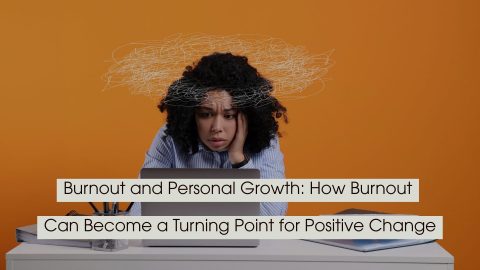
Overwhelmed woman sitting at a desk using a laptop with scribbled lines above her head symbolizing mental chaos, with the text “Burnout and Personal Growth: How Burnout Can Become a Turning Point for Positive Change” displayed across the image.

Burnout and Personal Growth: How Burnout Can Become a Turning Point for Positive Change

Burnout can feel overwhelming, but it can also become a turning point for personal growth. By reassessing priorities, building resilience, and establishing healthier boundaries, individuals can transform burnout into an opportunity for meaningful change.

Read More
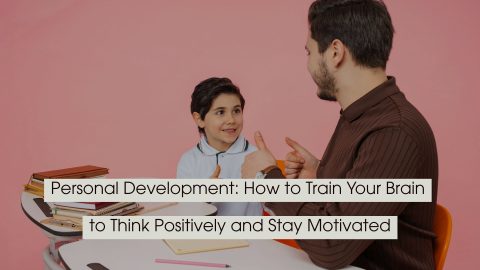
Adult mentor encouraging a young boy while studying at a table with books and notebooks, with the text “Personal Development: How to Train Your Brain to Think Positively and Stay Motivated” displayed across the image.

Personal Development: How to Train Your Brain to Think Positively and Stay Motivated

Training your brain to think positively can improve motivation, resilience, and overall personal development. By practicing self-awareness, gratitude, and constructive thinking habits, individuals can build a mindset that supports long-term success and emotional well-being.

Read More
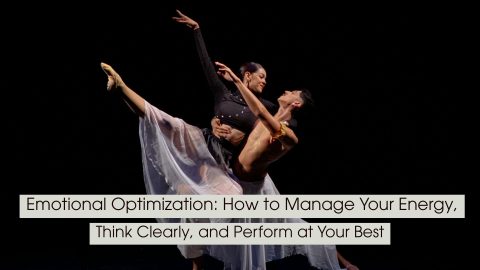
Two dancers perform an expressive partnered routine on a dark stage, demonstrating balance, coordination, focus, and controlled energy. Overlaid text reads: “Emotional Optimization: How to Manage Your Energy, Think Clearly, and Perform at Your Best.”

Emotional Optimization: How to Manage Your Energy, Think Clearly, and Perform at Your Best

Have you ever noticed how the same task can feel completely different depending on your emotional state? On some days, you approach challenges with clarity and confidence. On others, even simple responsibilities feel overwhelming. Your skills haven’t necessarily changed. Your emotional state has. Emotions influence how you interpret situations, communicate, make decisions, and direct your

Read More
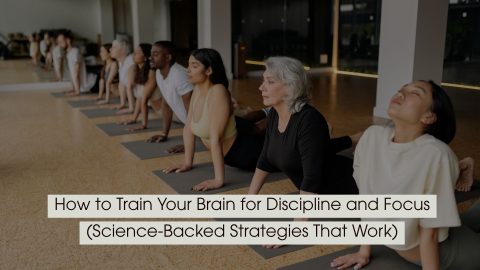
Group of people practicing yoga in a studio, focusing on breathing and posture, symbolizing mental discipline and focus, with the text “How to Train Your Brain for Discipline and Focus (Science-Backed Strategies That Work)” displayed across the image.

How to Train Your Brain for Discipline and Focus (Science-Backed Strategies That Work)

Training your brain for discipline and focus requires consistent practice, strong habits, and the right environment. By building routines and reducing distractions, you can improve concentration and achieve long-term success.

Read More
Person sitting at a desk looking overwhelmed while working on a laptop, with scribble lines above their head representing stress and mental overload, and the text “How to Prevent Burnout Before It Starts (Proven Strategies to Protect Your Energy and Well-Being)” displayed across the image.

How to Prevent Burnout Before It Starts (Proven Strategies to Protect Your Energy and Well-Being)

Burnout doesn’t happen overnight. It builds slowly, through stress, overwork, lack of rest, and constant pressure, until your energy is drained and your motivation disappears. The good news? Burnout is easier to prevent than to recover from. Instead of waiting until you feel exhausted, you can take proactive steps to protect your energy and maintain

Read More
A woman sits on the gym floor after an intense workout, appearing physically and mentally exhausted, representing struggles with motivation, consistency, and self-discipline. Overlaid text reads: “Why You Keep Losing Discipline and How to Get It Back.”

Why You Keep Losing Discipline and How to Get It Back

If you keep losing discipline, the problem may not be a lack of willpower. Unrealistic routines, unclear priorities, distractions, and poor recovery plans can all disrupt consistency. Learn how to identify what went wrong, rebuild your routine, and get back on track without starting from zero.

Read More