Person lifting dumbbells in a gym with guidance from a trainer, representing discipline, consistency, and effort, with the text “Self-Discipline Mastery: How to Stay Consistent Every Day (Proven Strategies for Long-Term Success)” displayed across the image.

Consistency is the difference between goals that stay dreams, and goals that become reality.

You may have strong motivation today, but what happens tomorrow? Or next week?

This is where self-discipline becomes essential.

Self-discipline is not about feeling motivated, it’s about showing up even when you don’t feel like it.

Many people struggle with consistency not because they lack ambition, but because they rely too much on motivation instead of building systems.

Psychologist Roy F. Baumeister explains that self-control is a key factor in maintaining behavior over time.

In this article, you’ll learn how to master self-discipline and stay consistent every day, without burnout or frustration.

How to Build Self-Discipline: The Mindset Method
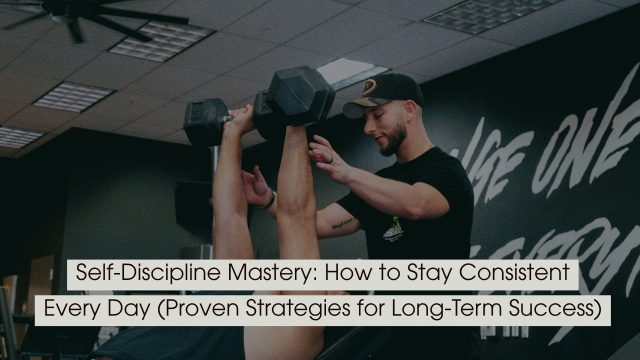
Person lifting dumbbells in a gym with guidance from a trainer, representing discipline, consistency, and effort, with the text “Self-Discipline Mastery: How to Stay Consistent Every Day (Proven Strategies for Long-Term Success)” displayed across the image.

What Is Self-Discipline?

Self-discipline is the ability to take action regardless of your mood, motivation, or circumstances.

It allows you to:

  • Stay consistent
  • Follow through on goals
  • Resist distractions
  • Build positive habits

It is one of the most important skills for personal development and success.

Why Consistency Is So Hard

1. Motivation Is Temporary

Motivation changes daily.

Relying on it leads to inconsistency.

2. The Brain Seeks Comfort

The brain naturally avoids discomfort and effort.

This leads to procrastination and avoidance.

3. Lack of Structure

Without systems, it’s easy to lose direction.

4. Overwhelming Goals

Large goals can feel intimidating, leading to inaction.

The Science Behind Self-Discipline

Self-discipline is linked to how the brain manages impulses and decisions.

Psychologist Daniel Kahneman explains that the brain often favors easy, rewarding activities over difficult tasks.

This is why:

  • Watching videos feels easier than working
  • Avoiding tasks feels more comfortable than starting

Understanding this helps you build systems that support discipline.

How to Master Self-Discipline

1. Start Small and Build Momentum

Small actions are easier to repeat.

Example:

  • Instead of “study for 2 hours” → start with 15 minutes

Small wins build confidence.

2. Create Systems, Not Just Goals

Goals give direction—but systems create consistency.

According to James Clear, systems determine daily behavior.

Example:

  • Instead of “get fit” → create a workout schedule

3. Remove Distractions

Distractions weaken discipline.

Reduce them by:

  • Turning off notifications
  • Creating a focused environment
  • Limiting social media

4. Use Time Blocking

Schedule specific times for tasks.

This creates structure and reduces decision fatigue.

5. Focus on Identity

Change how you see yourself.

Instead of:

  • “I want to be disciplined”

Say:

  • “I am a disciplined person”

Identity strengthens behavior.

6. Build Daily Habits

Habits make discipline automatic.

Repeat small actions until they become routine.

7. Track Your Progress

Tracking helps maintain accountability.

Seeing progress reinforces consistency.

8. Accept Imperfection

Missing a day does not mean failure.

Consistency over time matters more than perfection.

The Discipline Loop

Here’s a simple framework: Action → Progress → Confidence → More Action

Each step reinforces the next.

The more you act, the easier discipline becomes.

Common Mistakes to Avoid

Waiting for Motivation

Motivation follows action, not the other way around.

Doing Too Much at Once

Start small and build gradually.

Ignoring Environment

Your surroundings influence your behavior.

Lack of Consistency

Irregular effort slows progress.

The Role of Environment

Your environment can either support or weaken discipline.

Design your environment to:

  • Reduce distractions
  • Encourage productive behavior
  • Support your goals

This makes discipline easier.

Why Self-Discipline Leads to Success

Self-discipline allows you to:

  • Stay consistent
  • Build habits
  • Achieve long-term goals
  • Overcome challenges

Without discipline, progress becomes unpredictable.

Conclusion

Self-discipline is not about perfection, it’s about consistency.

By building systems, starting small, and taking action daily, you can develop discipline that lasts.

Personal development is not about extreme effort, it’s about steady progress.

When you master self-discipline, you gain control over your actions, your habits, and your future.

Stay consistent, trust the process, and keep moving forward.

Sources and Further Reading

  • James Clear – Habit systems
  • Roy F. Baumeister – Self-control research
  • Daniel Kahneman – Cognitive behavior
  • Clear, J. (2018). Atomic Habits
  • Kahneman, D. (2011). Thinking, Fast and Slow

About the Author

David A. Caren is the creator of Emotional Optimization™ – helping high-performing professionals rewire emotional patterns for clarity, calm, and success.

Book a Free Consultation

What is self-discipline?

Self-discipline is the ability to stay consistent and take action toward goals.

How can I improve my discipline?

Start small, build habits, and create structured systems.

Why is consistency important?

Consistency leads to long-term results.

Does motivation help with discipline?

Motivation helps initially, but discipline ensures consistency.

Can self-discipline be learned?

Yes. It is a skill that can be developed over time.
Tap Into Your Emotional Superpowers:

Reclaim Your Mental & Emotional Resources To Do More, Be More, & LIVE More Fully

The Desire: Reclaim Your Joy, Purpose & Inner Peace with Emotional Optimization

In the hustle and bustle of today's world, do you feel like your emotions are on a rollercoaster with no brakes? Caught in a relentless storm of stress, anxiety, and uncertainty; it's all too easy to feel lost, disconnected from your true self, and powerless in steering the course of your own life.

In the bustling rhythm of modern life, where achievements are often measured in milestones and material success, it's easy to overlook the silent whispers of our inner selves. Like a ship navigating a vast, unpredictable ocean, we often find ourselves lost in the storms of overwhelm, stress, anxiety, and unfulfilled desires. This is the journey of every single soul searching for a ray of light in the darkness - a calm, peaceful, fulfilled life with emotional serenity, inner confidence and strength. Emotional Optimization is a way to navigate your inner world, to release the energy you've been wasting on old triggers and buttons, and to reclaim your mental and emotional resources so you can do more in life, create a bigger impact on the world, and live life more fully on your terms as you continue your journey to emotional mastery.

The Challenge: Emotional Triggers & Unresolved Traumas

Pause for a moment and imagine the heavy toll those unchecked emotions are having on your life. Relationships strained to their breaking points, opportunities slipping like sand through your fingers, and a constant, gnawing sense of not living up to your full potential. This isn't just about facing daily hurdles; it's about the very essence of your happiness and fulfillment being eroded away, day after draining day, WASTING your precious life REACTING to unresolved emotional triggers and old traumas.

Imagine walking through a labyrinth, where each turn represents a challenge, a moment of doubt, or a trigger of unresolved emotion. This is the odyssey of the modern high achiever. Despite the outward success, there always seems to be an underlying struggle - a battle with emotions that feel like uncharted waters. In an age where the pursuit of happiness often leads to more questions than answers, many find themselves adrift, caught in a cycle of emotional highs and lows, constantly looking for a safe place where they can achieve balance, peace, and genuine fulfillment.


The Solution: Emotional Optimization

This is where Emotional Optimization comes in. David's highly personalized coaching program is designed to equip you with the tools and strategies you need to understand, manage, and transform your emotions. By mastering emotional intelligence, you unlock the door to improved communication, stronger relationships, and heightened self-awareness. It's time to reclaim all the mental and emotional resources you've been wasting in the background on the subconscious emotional triggers from past traumas and unresolved emotions. You deserve to live FREE from the emotional baggage and burdens of your past. It's time to step into peace, confidence, and clarity, so you can be more present, have deeper relationships, and feel more fulfilled in life.

Benefits:

  • Enhanced Emotional Intelligence: Elevate your ability to understand, process, use, & manage your emotions in positive ways to relieve stress, communicate effectively, empathize with others, overcome challenges, & make choices that align with your deepest values & aspirations.
  • Improved Relationships: Transform your personal and professional relationships through self-reflection, better communication, empathy, and emotional understanding.
  • Increased Emotional Resilience: Build a robust emotional foundation that enables you to navigate life's ups & downs with grace & poise, turning potential setbacks into opportunities for growth. Arm yourself with resilience that turns life's fiercest storms into moments of strength & empowerment.
  • Personal and Professional Growth: Unlock your full potential by harnessing the power of emotional optimization to achieve your goals, boost productivity, and amplify a sense of accomplishment, satisfaction, and fulfillment in all areas of life.

About The Author

David's Team

Let's Connect!

Leave a comment

Your email address will not be published. Required fields are marked

{"email":"Email address invalid","url":"Website address invalid","required":"Required field missing"}
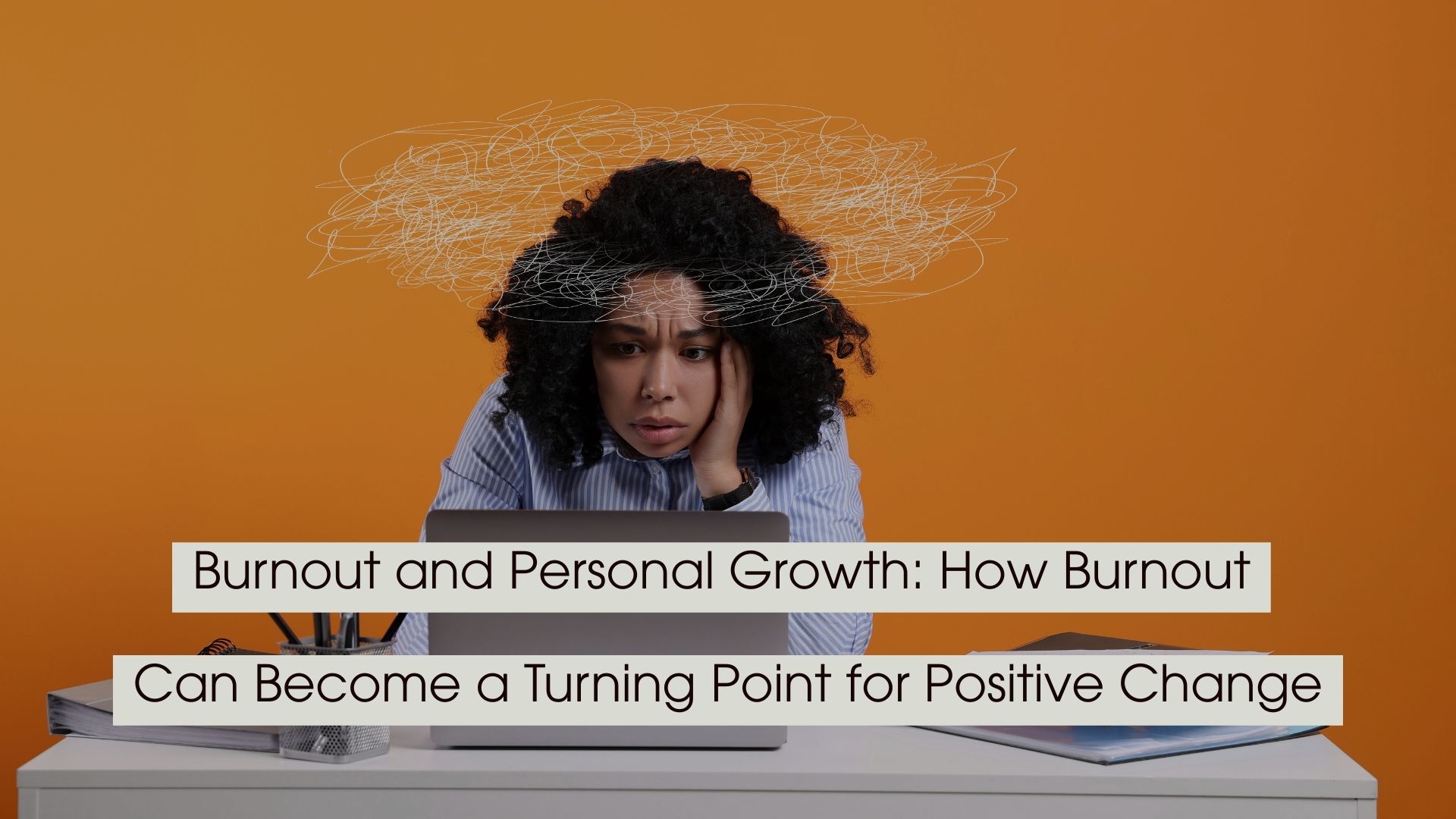
Overwhelmed woman sitting at a desk using a laptop with scribbled lines above her head symbolizing mental chaos, with the text “Burnout and Personal Growth: How Burnout Can Become a Turning Point for Positive Change” displayed across the image.

Burnout and Personal Growth: How Burnout Can Become a Turning Point for Positive Change

Burnout can feel overwhelming, but it can also become a turning point for personal growth. By reassessing priorities, building resilience, and establishing healthier boundaries, individuals can transform burnout into an opportunity for meaningful change.

Read More
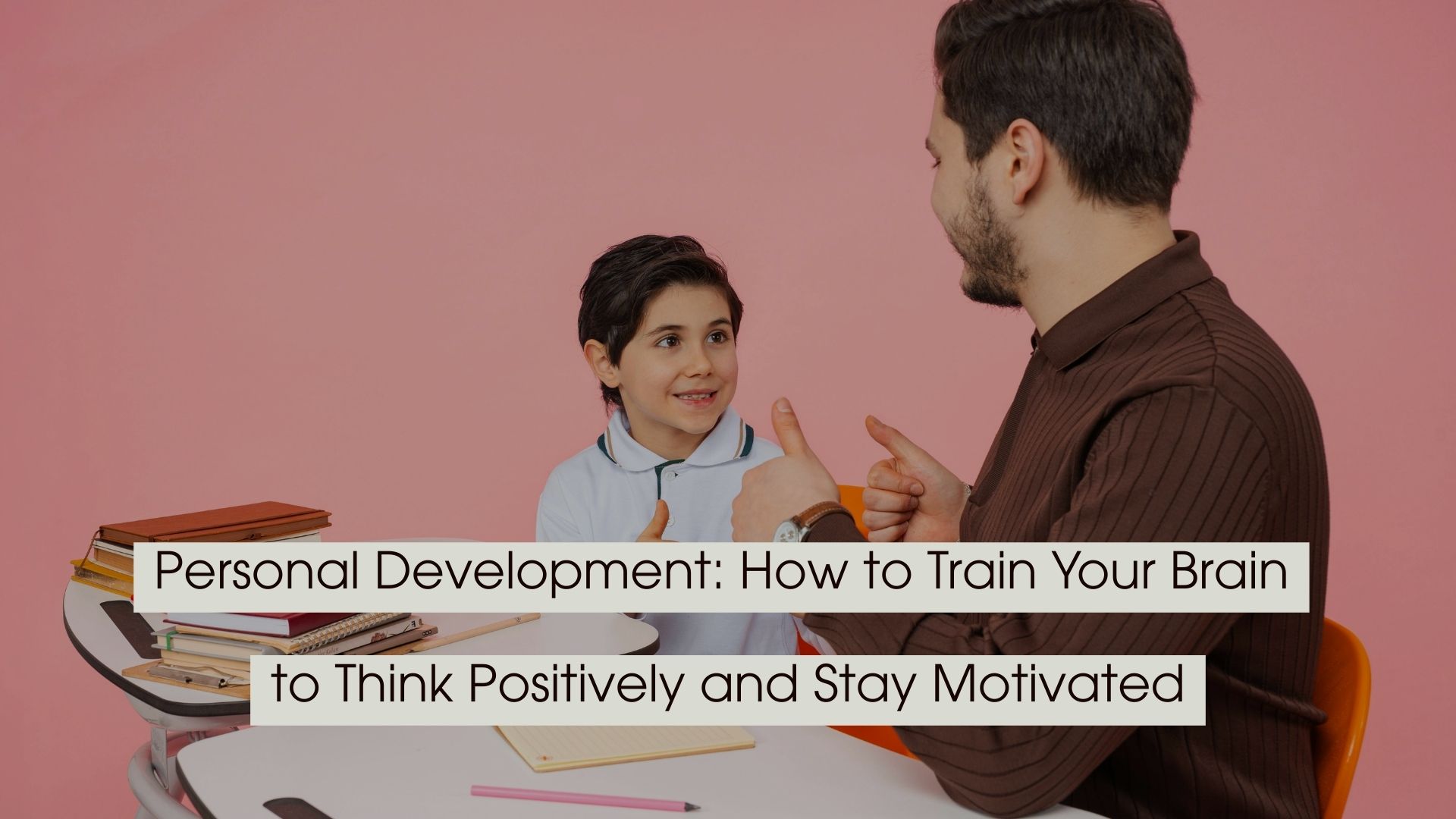
Adult mentor encouraging a young boy while studying at a table with books and notebooks, with the text “Personal Development: How to Train Your Brain to Think Positively and Stay Motivated” displayed across the image.

Personal Development: How to Train Your Brain to Think Positively and Stay Motivated

Training your brain to think positively can improve motivation, resilience, and overall personal development. By practicing self-awareness, gratitude, and constructive thinking habits, individuals can build a mindset that supports long-term success and emotional well-being.

Read More
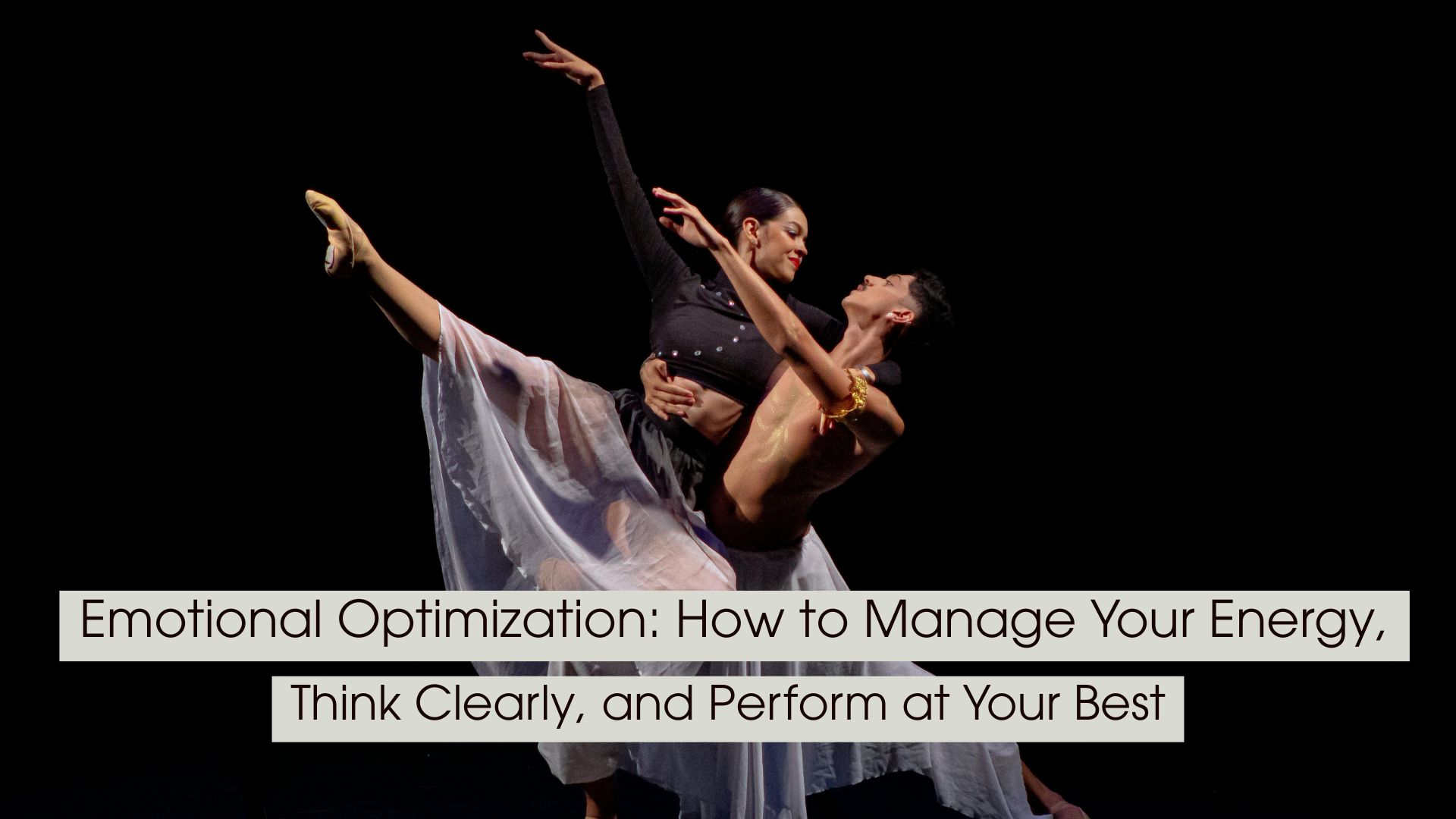
Two dancers perform an expressive partnered routine on a dark stage, demonstrating balance, coordination, focus, and controlled energy. Overlaid text reads: “Emotional Optimization: How to Manage Your Energy, Think Clearly, and Perform at Your Best.”

Emotional Optimization: How to Manage Your Energy, Think Clearly, and Perform at Your Best

Have you ever noticed how the same task can feel completely different depending on your emotional state? On some days, you approach challenges with clarity and confidence. On others, even simple responsibilities feel overwhelming. Your skills haven’t necessarily changed. Your emotional state has. Emotions influence how you interpret situations, communicate, make decisions, and direct your

Read More
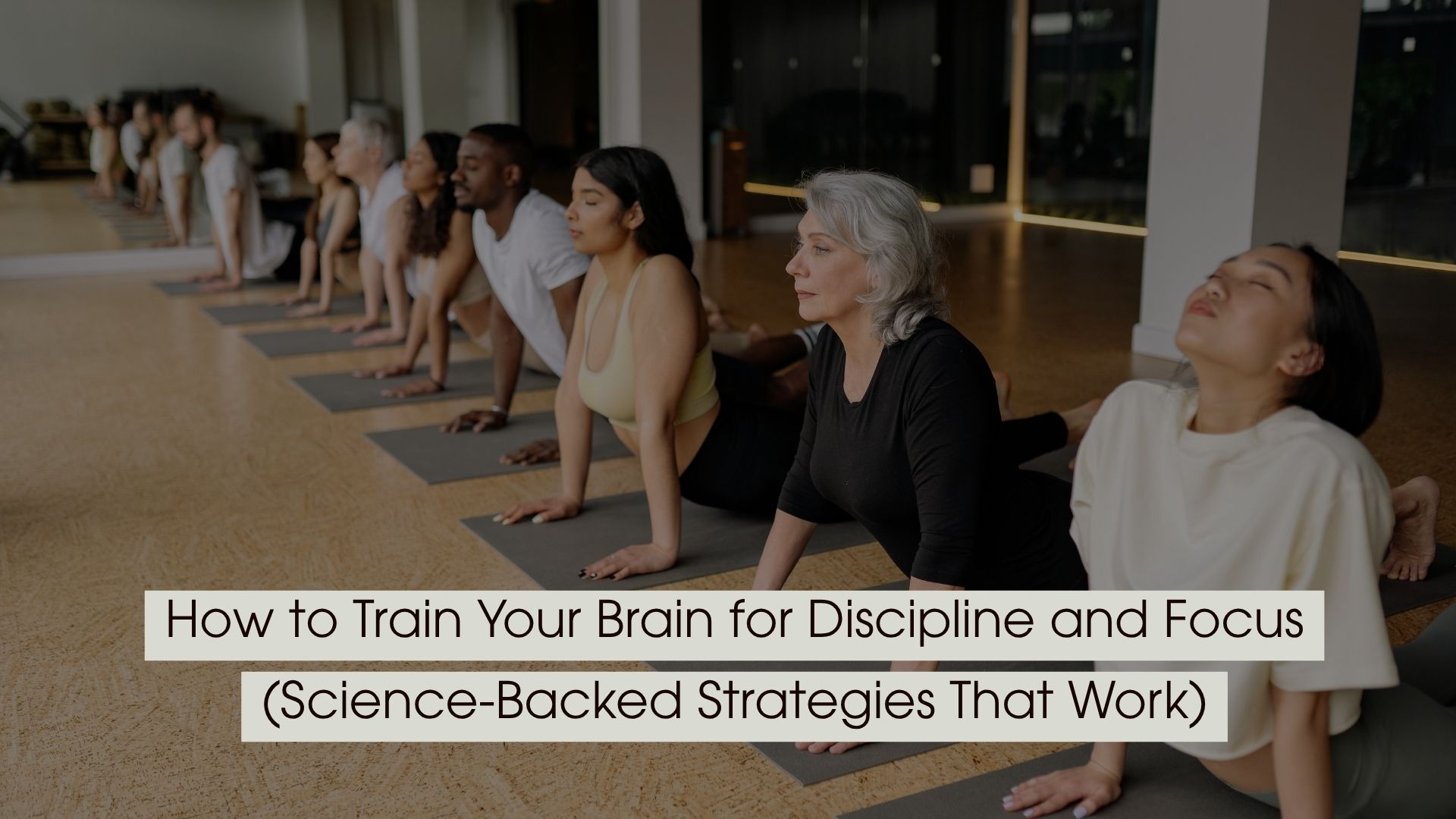
Group of people practicing yoga in a studio, focusing on breathing and posture, symbolizing mental discipline and focus, with the text “How to Train Your Brain for Discipline and Focus (Science-Backed Strategies That Work)” displayed across the image.

How to Train Your Brain for Discipline and Focus (Science-Backed Strategies That Work)

Training your brain for discipline and focus requires consistent practice, strong habits, and the right environment. By building routines and reducing distractions, you can improve concentration and achieve long-term success.

Read More
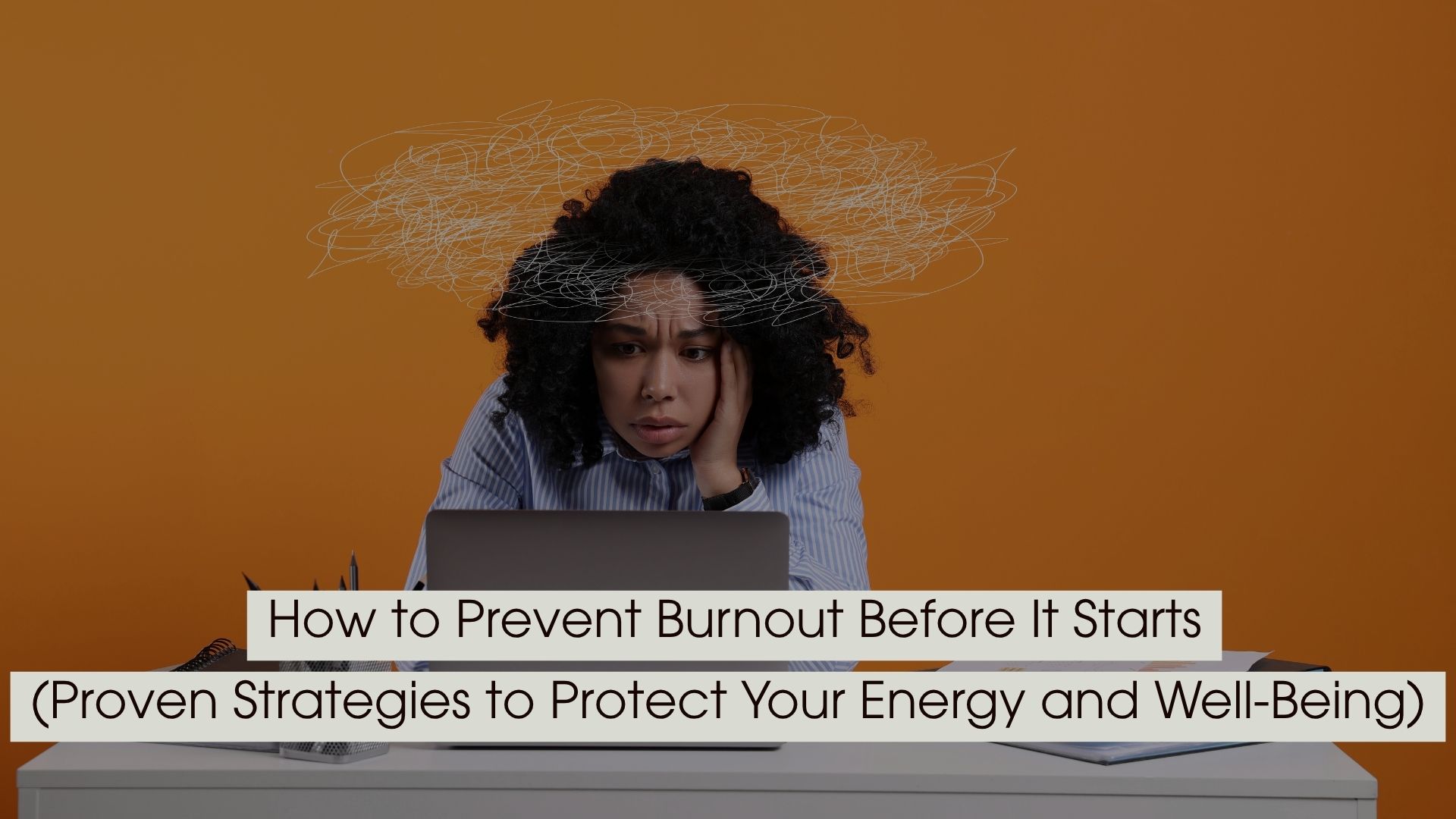
Person sitting at a desk looking overwhelmed while working on a laptop, with scribble lines above their head representing stress and mental overload, and the text “How to Prevent Burnout Before It Starts (Proven Strategies to Protect Your Energy and Well-Being)” displayed across the image.

How to Prevent Burnout Before It Starts (Proven Strategies to Protect Your Energy and Well-Being)

Burnout doesn’t happen overnight. It builds slowly, through stress, overwork, lack of rest, and constant pressure, until your energy is drained and your motivation disappears. The good news? Burnout is easier to prevent than to recover from. Instead of waiting until you feel exhausted, you can take proactive steps to protect your energy and maintain

Read More
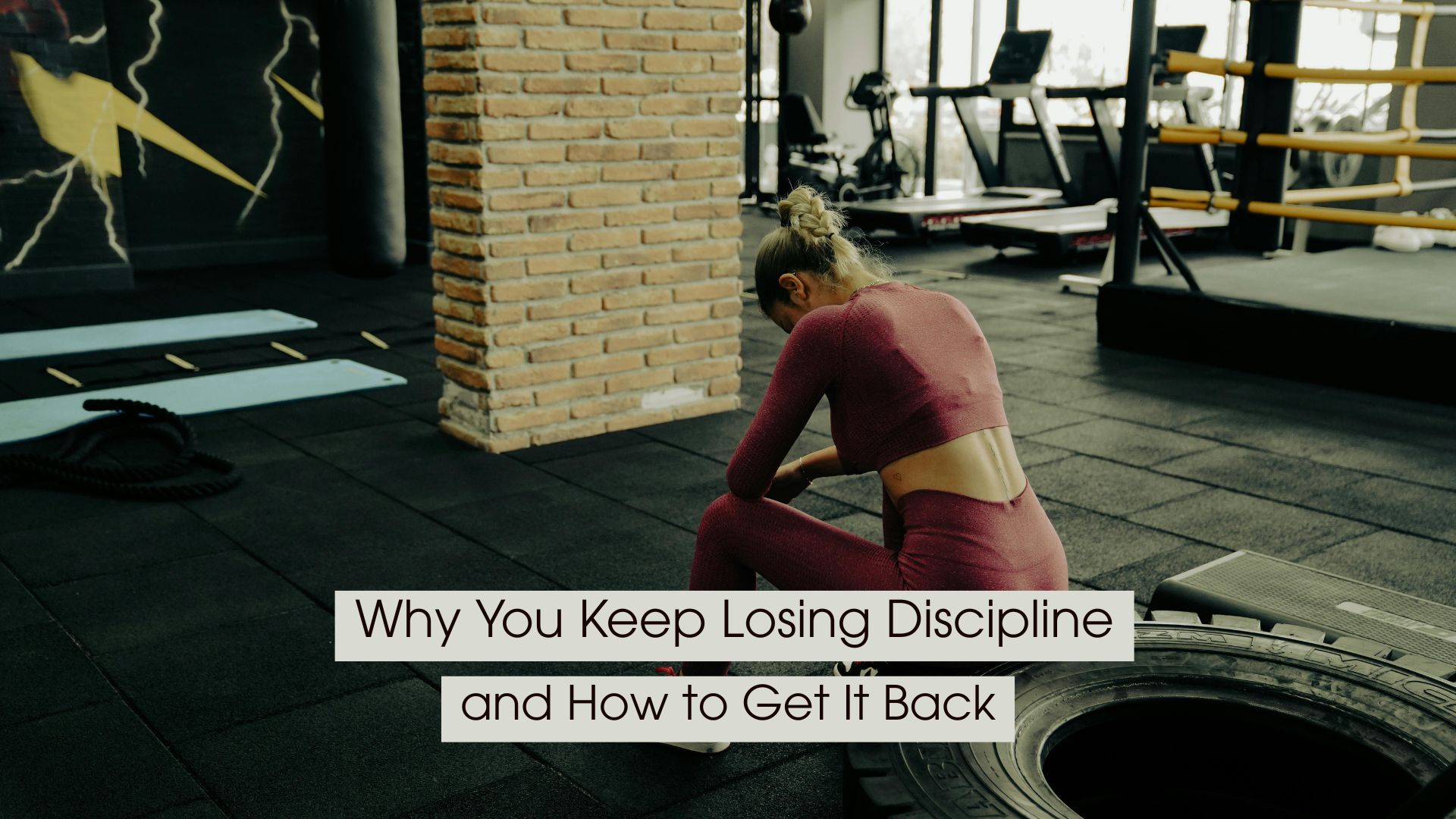
A woman sits on the gym floor after an intense workout, appearing physically and mentally exhausted, representing struggles with motivation, consistency, and self-discipline. Overlaid text reads: “Why You Keep Losing Discipline and How to Get It Back.”

Why You Keep Losing Discipline and How to Get It Back

If you keep losing discipline, the problem may not be a lack of willpower. Unrealistic routines, unclear priorities, distractions, and poor recovery plans can all disrupt consistency. Learn how to identify what went wrong, rebuild your routine, and get back on track without starting from zero.

Read More