Table of Contents
- Understanding burnout in 15 minutes
- Understanding Burnout as a Signal for Change
- Self-Awareness: The First Step Toward Growth
- Reevaluating Priorities
- Developing Emotional Resilience
- Learning the Importance of Boundaries
- Redefining Success
- Creating a Sustainable Lifestyle
- Growth Through Adversity
- Conclusion
- Sources and Further Reading
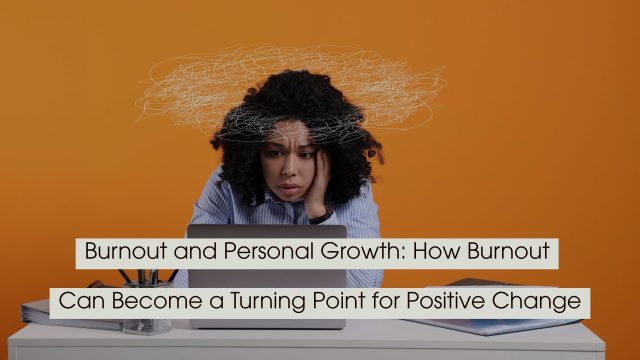
Burnout is often seen as a negative and overwhelming experience. It can leave individuals feeling emotionally exhausted, mentally drained, and disconnected from their work or personal responsibilities.
However, while burnout is painful, it can also become a powerful turning point for personal growth.
For many people, burnout serves as a wake-up call that something in their life is unsustainable. It may reveal unhealthy work habits, unrealistic expectations, or a lack of balance between personal well-being and professional demands.
Burnout is a state of emotional, physical, and mental exhaustion caused by prolonged stress. According to the World Health Organization, burnout is characterized by emotional exhaustion, mental detachment from responsibilities, and reduced effectiveness.
When individuals use burnout as an opportunity to reassess their priorities and habits, it can lead to meaningful transformation and long-term personal growth.
Understanding burnout in 15 minutes
Understanding Burnout as a Signal for Change
Burnout rarely occurs without warning. It usually develops gradually as stress accumulates and recovery becomes limited.
While burnout can feel overwhelming, it often serves as an important signal that certain aspects of life need adjustment.
Psychologist Christina Maslach identified emotional exhaustion as the core component of burnout.
This exhaustion often indicates that individuals have been investing more energy than they are able to replenish.
Recognizing burnout as a signal rather than a failure can help individuals approach recovery with a growth-oriented mindset.
Self-Awareness: The First Step Toward Growth
One of the most valuable lessons burnout can provide is increased self-awareness.
Burnout often encourages individuals to reflect on questions such as:
- What caused my exhaustion?
- Which responsibilities are draining my energy?
- What expectations have I placed on myself?
- What changes do I need to make moving forward?
This reflection helps individuals understand their limits and identify patterns that may have contributed to burnout.
Greater self-awareness allows people to make healthier choices about work, relationships, and personal priorities.
Reevaluating Priorities
Burnout can shift how individuals think about success and achievement.
Many people experiencing burnout realize that they have prioritized productivity, career advancement, or external expectations at the expense of their well-being.
This realization often leads to a reassessment of priorities.
Individuals may begin to value:
- Work-life balance
- Personal relationships
- Physical and mental health
- Meaningful experiences
These changes can lead to a more fulfilling and sustainable lifestyle.
Developing Emotional Resilience
Recovering from burnout requires individuals to rebuild emotional strength and coping skills.
Resilience refers to the ability to adapt to stress and recover from challenges.
Research summarized by the American Psychological Association shows that individuals who develop resilience are better able to manage stress and maintain psychological well-being.
Burnout recovery often encourages individuals to develop healthier coping strategies, such as:
- Mindfulness and meditation
- Regular physical activity
- Emotional reflection
- Seeking social support
These practices strengthen resilience and improve long-term mental health.
Learning the Importance of Boundaries
One of the most common lessons from burnout is the importance of boundaries.
Many individuals experience burnout because they consistently say yes to additional responsibilities or struggle to protect their personal time.
Burnout recovery often involves establishing clearer boundaries around:
- Work hours
- Communication expectations
- Personal commitments
- Emotional energy
Learning to set and maintain boundaries helps prevent future exhaustion.
Redefining Success
Burnout can change how individuals define success.
Instead of focusing solely on external achievements, people may begin to value sustainable progress and overall well-being.
Healthy success often includes:
- Maintaining mental and physical health
- Building meaningful relationships
- Pursuing work that aligns with personal values
This broader definition of success helps individuals maintain motivation without sacrificing well-being.
Creating a Sustainable Lifestyle
One of the most powerful outcomes of burnout recovery is the opportunity to build a more balanced and sustainable lifestyle.
Sustainable living includes:
- Prioritizing rest and recovery
- Managing workload realistically
- Maintaining hobbies and interests outside work
- Creating routines that support mental health
These habits help individuals maintain energy and prevent burnout from returning.
Growth Through Adversity
Psychologists often describe post-traumatic growth, a phenomenon where individuals experience positive psychological change after difficult experiences.
Burnout, although challenging, can sometimes lead to similar outcomes.
People who recover from burnout often report:
- Greater emotional awareness
- Stronger resilience
- Improved work-life balance
- More meaningful life choices
Adversity can become a catalyst for transformation.
Conclusion
Burnout is a difficult experience that can affect both mental health and daily life. However, it can also become a powerful turning point for personal growth.
By encouraging reflection, self-awareness, and lifestyle changes, burnout can help individuals identify unsustainable habits and create healthier ways of living and working.
Recovery from burnout often leads to stronger boundaries, improved resilience, and a deeper understanding of personal priorities.
Rather than viewing burnout solely as a setback, individuals can use it as an opportunity to redesign their lives in ways that support both success and well-being.
Growth often emerges from the most challenging experiences and burnout can be one of those transformative moments.
Sources and Further Reading
- Christina Maslach – Burnout research and Maslach Burnout Inventory
- American Psychological Association – Research on resilience and stress recovery
- World Health Organization – Burnout definition and workplace health research
- Maslach, C. & Leiter, M. (2016). Burnout
- Research on resilience and psychological growth
Can burnout lead to personal growth?
Yes. Burnout can encourage individuals to reflect on their habits, priorities, and lifestyle choices, leading to meaningful personal development.
What is the first step after experiencing burnout?
The first step is recognizing the need for rest and identifying the causes of chronic stress.
Can burnout change life priorities?
Many individuals reassess their goals and values after burnout, focusing more on balance and well-being.
How long does burnout recovery take?
Recovery varies depending on the severity of burnout and the changes individuals make to their routines.
Can burnout strengthen resilience?
Yes. Overcoming burnout can help individuals develop healthier coping strategies and emotional resilience

What Successful People Do Differently Every Day (Daily Habits That Drive Success)
Successful people achieve more by focusing on consistent daily habits rather than relying on motivation. Through discipline, planning, and continuous…


How to Stop Procrastination and Take Action Immediately (Proven Strategies That Work)
Procrastination is driven by avoidance and fear, not laziness. By breaking tasks into small steps, taking immediate action, and removing…

What Is Self-Discipline and Why It Matters: The Foundation of Success and Personal Growth
Self-discipline is the ability to stay committed to your goals, even when motivation fades. By developing consistent habits, strengthening self-control,…

How to Transform Your Life One Day at a Time: Small Daily Changes That Lead to Extraordinary Results
Transform Your Life One Day at a Time: Transforming your life doesn’t happen overnight, it happens one day at a…

How to Develop Unbreakable Self-Discipline: The Ultimate Guide to Building Mental Strength and Consistency
Developing unbreakable self-discipline isn’t about relying on endless motivation or willpower. It’s about building consistent habits, keeping promises to yourself,…
How to Strengthen Your Willpower Every Day: Practical Strategies for Better Self-Control
Strengthening your willpower starts with small, intentional decisions. By reducing distractions, practicing delayed gratification, building supportive routines, and keeping promises…