Table of Contents
- Digital burnout? How to keep your sanity in an online world | Shift Browser
- What Is Digital Burnout?
- Signs of Digital Burnout
- How Technology Drains Your Energy
- 1. Constant Notifications
- 2. Information Overload
- 3. Lack of Mental Rest
- 4. Reduced Attention Span
- The Psychology Behind Digital Burnout
- The Impact of Digital Burnout
- How to Recover From Digital Burnout
- 1. Set Screen Boundaries
- 2. Turn Off Non-Essential Notifications
- 3. Schedule Digital Breaks
- 4. Practice a Digital Detox
- 5. Focus on Deep Work
- 6. Improve Your Environment
- 7. Reconnect With Offline Activities
- Preventing Digital Burnout
- The Digital Balance Formula
- Common Mistakes to Avoid
- Why Digital Awareness Matters
- Conclusion
- Sources and Further Reading
Technology has made life faster, easier, and more connected.
But it has also created a hidden problem: Digital burnout.
Constant notifications, endless scrolling, and nonstop screen time are quietly draining your energy, reducing your focus, and increasing stress.
You may not even realize it, but your mind is overloaded.
According to the World Health Organization, prolonged stress, especially from work and digital environments, can significantly impact mental well-being.
In this article, you’ll learn how digital burnout happens, how to recognize it, and how to regain control of your energy and focus.
Digital burnout? How to keep your sanity in an online world | Shift Browser
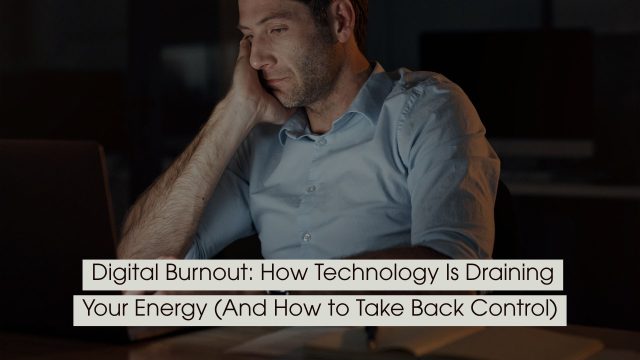
What Is Digital Burnout?
Digital burnout is a state of mental and emotional exhaustion caused by excessive use of technology.
It often results from:
- Constant screen exposure
- Information overload
- Continuous notifications
- Lack of mental breaks
Unlike traditional burnout, digital burnout is driven by overstimulation from devices.
Signs of Digital Burnout
You may be experiencing digital burnout if you notice:
- Constant fatigue after screen use
- Difficulty concentrating
- Feeling overwhelmed by information
- Reduced productivity
- Irritability or mental exhaustion
These signs are often subtle but can worsen over time.
How Technology Drains Your Energy
1. Constant Notifications
Notifications interrupt your focus.
Each interruption forces your brain to switch tasks, which increases mental fatigue.
2. Information Overload
You are exposed to more information than ever before.
Your brain struggles to process it all, leading to exhaustion.
3. Lack of Mental Rest
Scrolling and screen time don’t allow your brain to fully rest.
Even passive consumption requires mental energy.
4. Reduced Attention Span
Frequent switching between apps reduces your ability to focus deeply.
Psychologist Daniel Kahneman explains that task switching increases cognitive load and reduces efficiency.
The Psychology Behind Digital Burnout
Digital platforms are designed to capture your attention.
They trigger dopamine release, encouraging repeated use.
Over time, this creates a cycle: Stimulus → Engagement → Reward → Repeat
This cycle can lead to overuse and mental fatigue.
The Impact of Digital Burnout
Digital burnout affects:
- Productivity
- Mental clarity
- Emotional well-being
- Sleep quality
It can make even simple tasks feel difficult.
How to Recover From Digital Burnout
1. Set Screen Boundaries
Limit your screen time.
Examples:
- No phone during meals
- No screens before bed
Boundaries protect your mental energy.
2. Turn Off Non-Essential Notifications
Reduce interruptions by disabling unnecessary alerts.
Fewer distractions improve focus.
3. Schedule Digital Breaks
Take regular breaks from screens.
Step away to allow your mind to rest.
4. Practice a Digital Detox
Take time away from devices:
- A few hours daily
- A full day weekly
This helps reset your mental state.
5. Focus on Deep Work
Limit multitasking and focus on one task at a time.
This improves productivity and reduces fatigue.
6. Improve Your Environment
Create a workspace that minimizes distractions.
Keep your phone out of reach when working.
7. Reconnect With Offline Activities
Spend time on activities that don’t involve screens:
- Reading
- Exercise
- Social interaction
These restore mental energy.
Preventing Digital Burnout
Create Tech-Free Zones
Design areas or times where devices are not allowed.
Set Clear Usage Limits
Control how much time you spend online.
Be Intentional With Technology
Use technology as a tool, not a distraction.
Prioritize Rest
Give your brain time to recover.
The Digital Balance Formula
Intentional Use + Boundaries + Rest = Healthy Technology Habits
Balancing these elements helps prevent burnout.
Common Mistakes to Avoid
Constant Multitasking
Switching tasks increases mental fatigue.
Overconsumption of Content
Too much information overwhelms the brain.
Ignoring Breaks
Continuous screen time drains energy.
Using Devices Before Sleep
Screens can disrupt sleep quality.
Why Digital Awareness Matters
Technology is not the problem, how you use it is.
By becoming aware of your habits, you can:
- Improve focus
- Reduce stress
- Protect your energy
Conclusion
Digital burnout is a modern challenge, but it is manageable.
By setting boundaries, reducing screen time, and prioritizing rest, you can regain control of your energy and focus.
Personal development is not about using technology more, it’s about using it wisely.
Take control of your digital habits.
Because when you protect your attention, you protect your energy, and your life.
Sources and Further Reading
- World Health Organization – Burnout research
- Daniel Kahneman – Cognitive load and attention
- Kahneman, D. (2011). Thinking, Fast and Slow
About the Author
David A. Caren is the creator of Emotional Optimization™ – helping high-performing professionals rewire emotional patterns for clarity, calm, and success.
Book a Free Consultation
What is digital burnout?
Mental exhaustion caused by excessive screen use and digital overload.
How do I know if I have digital burnout?
Look for fatigue, lack of focus, and feeling overwhelmed by technology.
Can digital burnout be reversed?
Yes, through rest, boundaries, and reduced screen time.
How can I reduce screen fatigue?
Limit notifications, take breaks, and practice digital detox.
Is technology harmful?
Not inherently, but overuse can lead to burnout.

Emotional Optimization: How to Optimize Emotions When Starting Something New
Emotional optimization helps you stay calm, confident, and emotionally grounded when starting something new. Whether you’re beginning a new job,…

Emotional Optimization: How to Recover Faster After a Bad Day
Bad days happen but staying stuck in them doesn’t have to. Emotional optimization is the skill of helping your mind…
Emotional Optimization: How to Optimize Emotions During Life Transitions
Emotional optimization helps you stay grounded, resilient, and emotionally clear during major life transitions. Whether you’re changing careers, moving to…
Emotional Optimization for Social Anxiety: How to Feel Calm, Confident, and In Control
Emotional optimization for social anxiety helps you manage fear of judgment, overthinking, and nervous system overwhelm in social situations. Instead…

Personal Growth Through Mindfulness: A Practical Guide for Busy Professionals
In today’s fast-paced world, personal growth often takes a back seat to deadlines, responsibilities, and constant digital noise. Mindfulness offers…
Emotional Intelligence: How to Regulate Your Emotions in Stressful Situations
In moments of stress, our emotions often take control before logic has a chance to step in. Emotional intelligence helps…