Table of Contents
- Daniel Goleman Introduces Emotional Intelligence | Big Think
- What Is Emotional Intelligence?
- Why Emotional Regulation Matters in Stressful Situations
- Common Triggers That Cause Emotional Overload
- How to Regulate Your Emotions in Stressful Situations
- How Emotional Intelligence Improves Long-Term Stress Management
- Daily Habits to Strengthen Emotional Intelligence
- Final Thoughts: Emotional Intelligence Is a Life Skill
- Sources & Further Reading
- About the Author
- Book a Free Consultation
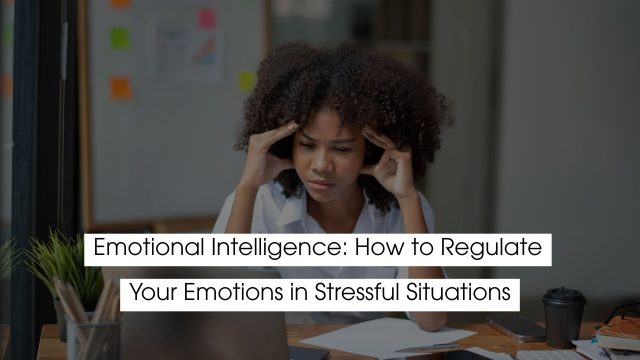
Stress is unavoidable, but how you respond to it makes all the difference. Emotional intelligence (EI) is the key skill that allows you to stay calm, think clearly, and respond intentionally even in high-pressure moments. Whether you’re navigating workplace pressure, relationship conflicts, or personal overwhelm, learning to regulate your emotions can dramatically improve your mental health, decision-making, and overall quality of life.
In this guide, we’ll explore how emotional intelligence helps you manage stress effectively, and practical ways to regulate your emotions when life feels overwhelming.
Daniel Goleman Introduces Emotional Intelligence | Big Think
What Is Emotional Intelligence?
Emotional intelligence is the ability to recognize, understand, and manage your own emotions while also being aware of the emotions of others. It consists of five core components:
- Self-awareness – recognizing what you’re feeling and why
- Self-regulation – managing emotional reactions
- Motivation – staying focused despite challenges
- Empathy – understanding others’ emotions
- Social skills – communicating and resolving conflict effectively
When it comes to stress, self-awareness and self-regulation are the most critical skills.
Why Emotional Regulation Matters in Stressful Situations
When you’re stressed, your brain enters fight-or-flight mode. This can lead to:
- Emotional outbursts
- Poor decision-making
- Anxiety or shutdown
- Damaged relationships
- Burnout
Emotional regulation allows you to pause, process what’s happening, and respond with clarity rather than impulse.
People with strong emotional intelligence:
- Stay calmer under pressure
- Recover faster from setbacks
- Communicate more effectively
- Make better decisions
- Experience less emotional exhaustion
Common Triggers That Cause Emotional Overload
Understanding your triggers is the first step toward regulation. Common stress triggers include:
- Tight deadlines or workload pressure
- Conflict or criticism
- Feeling out of control
- Perfectionism
- Fear of failure or judgment
- Lack of rest or boundaries
Once you recognize your patterns, you can respond intentionally instead of reacting automatically.
How to Regulate Your Emotions in Stressful Situations
1. Pause Before You React
The most powerful emotional skill is the pause. Even a few seconds can prevent regret.
Try this:
- Take 3 slow breaths
- Count to 10
- Ask: “What am I feeling right now?”
This activates your rational brain and reduces emotional hijacking.
2. Name the Emotion
Research shows that naming an emotion reduces its intensity.
Instead of:
- “I’m overwhelmed.”
Try:
- “I’m feeling anxious and pressured.”
This simple shift creates emotional distance and clarity.
3. Regulate Through the Body
Emotions live in the body, not just the mind. Try:
- Deep breathing (inhale 4, exhale 6)
- Grounding (feet on the floor, name 5 things you see)
- Gentle movement or stretching
- Cold water on your face or hands
These techniques calm your nervous system quickly.
4. Reframe the Situation
Ask yourself:
- “Is this a threat or a challenge?”
- “What’s actually in my control?”
- “What can I learn from this?”
Reframing helps you move from panic to problem-solving.
5. Set Emotional Boundaries
Not everything deserves your emotional energy.
Practice:
- Saying no without guilt
- Taking breaks from overstimulation
- Limiting exposure to negativity
- Protecting your time and mental space
Boundaries are a form of emotional intelligence.
6. Practice Self-Compassion
Stress often triggers self-criticism. Instead, try:
- “I’m doing the best I can.”
- “This moment will pass.”
- “I don’t need to be perfect to be worthy.”
Self-compassion reduces emotional intensity and builds resilience.
How Emotional Intelligence Improves Long-Term Stress Management
Developing emotional intelligence doesn’t just help in the moment, it transforms how you experience life.
Benefits include:
- Lower stress and anxiety
- Improved relationships
- Greater confidence
- Better leadership skills
- Stronger emotional resilience
- Increased clarity and focus
Over time, emotional regulation becomes second nature.
Daily Habits to Strengthen Emotional Intelligence
- Journaling emotional triggers
- Practicing mindfulness or meditation
- Reflecting before reacting
- Asking for feedback
- Getting enough rest
- Checking in with your emotions daily
Small habits create lasting emotional strength.
Final Thoughts: Emotional Intelligence Is a Life Skill
Stress will always be part of life, but suffering doesn’t have to be.
By strengthening your emotional intelligence, you gain the power to:
- Stay calm under pressure
- Respond instead of react
- Make better decisions
- Protect your peace
Emotional regulation isn’t about suppressing emotions, it’s about understanding them, honoring them, and choosing how you respond.
And that’s a skill you can build every single day.
Sources & Further Reading
- Goleman, Daniel. Emotional Intelligence: Why It Can Matter More Than IQ
A foundational book explaining emotional intelligence and its role in success, leadership, and emotional regulation. - Gross, J. J. (2015). Emotion Regulation: Current Status and Future Prospects – Psychological Inquiry
A leading academic paper on how emotions are regulated and why emotional control is essential for mental health. - American Psychological Association (APA) – Stress Management and Emotional Regulation
https://www.apa.org
Research-backed strategies for managing stress and emotional responses. - Harvard Business Review – How Emotional Intelligence Helps You Manage Stress
https://hbr.org
Practical insights on emotional intelligence in high-pressure environments. - Mayo Clinic – Stress Management Techniques
https://www.mayoclinic.org
Evidence-based techniques for emotional balance and stress reduction. - Mindful.org – Mindfulness and Emotional Regulation
https://www.mindful.org
Resources on mindfulness practices for emotional awareness and regulation. - Siegel, Daniel J. The Mindful Brain
Explores how mindfulness and emotional awareness improve brain function and emotional balance.
About the Author
David A. Caren is the creator of Emotional Optimization™ – helping high-performing professionals rewire emotional patterns for clarity, calm, and success.
Book a Free Consultation
What is emotional intelligence (EI)?
Emotional intelligence is the ability to recognize, understand, manage, and influence your own emotions and the emotions of others. It includes self-awareness, self-regulation, empathy, motivation, and social skills.
How does emotional intelligence help with stress management?
Emotional intelligence helps you recognize emotional triggers early, regulate reactions, and respond calmly rather than react impulsively. This reduces emotional overwhelm and improves decision-making under pressure.
Can emotional intelligence be learned or improved?
Yes. Emotional intelligence is a skill that can be developed through self-awareness, mindfulness, emotional regulation practices, and consistent reflection. With practice, anyone can improve their EI.
How does emotional intelligence affect decision-making?
When emotions are regulated, decisions become more rational and balanced. High EI helps prevent emotional reactions like fear, anger, or anxiety from driving poor choices.
Is emotional intelligence important for work and leadership?
Absolutely. Leaders with high emotional intelligence communicate better, manage conflict effectively, handle pressure with clarity, and build stronger relationships with their teams.
What Is Self-Discipline and Why It Matters: The Foundation of Success and Personal Growth
Self-discipline is the ability to stay committed to your goals, even when motivation fades. By developing consistent habits, strengthening self-control,…


How to Transform Your Life One Day at a Time: Small Daily Changes That Lead to Extraordinary Results
Transform Your Life One Day at a Time: Transforming your life doesn’t happen overnight, it happens one day at a…

How to Develop Unbreakable Self-Discipline: The Ultimate Guide to Building Mental Strength and Consistency
Developing unbreakable self-discipline isn’t about relying on endless motivation or willpower. It’s about building consistent habits, keeping promises to yourself,…
How to Strengthen Your Willpower Every Day: Practical Strategies for Better Self-Control
Strengthening your willpower starts with small, intentional decisions. By reducing distractions, practicing delayed gratification, building supportive routines, and keeping promises…
Personal Development: The Growth Mindset Formula, How to Rewire Your Brain for Success
Personal development begins with one powerful belief: you can improve. The growth mindset formula teaches you how to rewire your…
Personal Development: Why Overthinking Is Holding You Back (And How to Stop)
Overthinking feels safe, but it quietly steals your momentum, confidence, and clarity. The more you analyze, the less you act….