Burnout is often associated with physical fatigue and overwhelming workloads, but one of its most damaging forms is emotional burnout.
Emotional burnout occurs when prolonged stress drains your emotional energy, leaving you feeling mentally exhausted, detached, and unable to cope with everyday responsibilities. Tasks that once felt meaningful may begin to feel overwhelming or pointless.
Unlike temporary stress, emotional burnout builds gradually. It develops when individuals face continuous pressure without adequate emotional recovery.
According to the World Health Organization, burnout is characterized by emotional exhaustion, mental distance from responsibilities, and reduced effectiveness.
Understanding emotional burnout is essential for recognizing its warning signs and taking steps to restore mental and emotional well-being.
7 Signs of Emotional Burnout
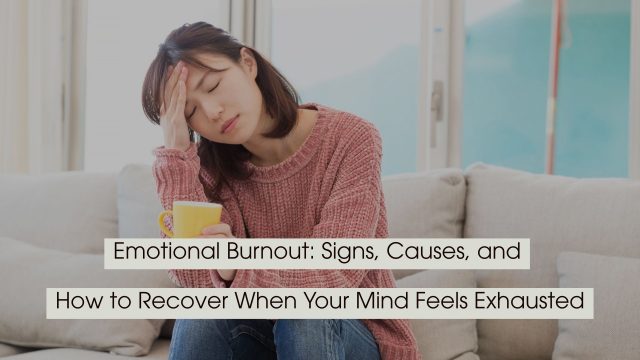
What Is Emotional Burnout?
Emotional burnout is a form of burnout that primarily affects psychological and emotional energy rather than physical stamina.
While physical exhaustion may improve with rest, emotional burnout can leave individuals feeling drained, unmotivated, and disconnected even after taking time off.
Burnout research conducted by Christina Maslach identified emotional exhaustion as the central component of burnout.
Emotional burnout often develops in situations involving:
- High emotional demands
- Constant responsibility for others
- Long periods of stress without recovery
Professions that require emotional involvement, such as healthcare, caregiving, leadership, and customer service—are particularly vulnerable.
Common Causes of Emotional Burnout
Emotional burnout can arise from several factors that gradually deplete emotional resources.
Chronic Stress
Long-term exposure to stress is one of the most common causes of burnout.
When stress remains constant, the brain’s ability to regulate emotions becomes overwhelmed.
Emotional Overload
Providing continuous emotional support to others, such as coworkers, clients, or family members, can gradually drain emotional energy.
Lack of Recognition
Feeling unappreciated or undervalued can create emotional frustration and disengagement.
Unrealistic Expectations
Perfectionism and high personal standards can increase emotional pressure and lead to burnout.
Poor Work-Life Balance
When individuals devote most of their time and energy to work or responsibilities, emotional recovery becomes difficult.
Signs of Emotional Burnout
Emotional burnout often appears through subtle changes in mood, motivation, and behavior.
Persistent Mental Exhaustion
Individuals may feel mentally drained even after resting.
Emotional Detachment
Burnout can cause people to feel disconnected from their work, relationships, or responsibilities.
Increased Irritability
Emotional exhaustion often leads to frustration, impatience, and mood swings.
Loss of Motivation
Tasks that once felt meaningful may begin to feel pointless or overwhelming.
Difficulty Concentrating
Mental fatigue can impair focus, memory, and decision-making.
Research summarized by the American Psychological Association shows that chronic stress can significantly affect emotional regulation and cognitive performance.
How Emotional Burnout Affects the Brain
Emotional burnout is closely linked to chronic stress, which can disrupt normal brain function.
When individuals experience prolonged stress, the body releases stress hormones such as cortisol.
While these hormones are useful during short-term challenges, long-term exposure can impair brain regions responsible for:
- Emotional regulation
- Memory
- Decision-making
This neurological response explains why burnout often leads to emotional numbness, difficulty concentrating, and decreased motivation.
Emotional Burnout vs Physical Burnout
Although both forms of burnout involve exhaustion, emotional burnout primarily affects psychological well-being.
| Emotional Burnout | Physical Burnout |
|---|---|
| Emotional exhaustion | Physical fatigue |
| Detachment from responsibilities | Reduced physical energy |
| Irritability and mood changes | Body exhaustion |
| Loss of motivation | Muscle fatigue |
Many individuals experience both forms simultaneously.
How to Recover From Emotional Burnout
Recovering from emotional burnout requires restoring emotional energy and reducing sources of stress.
Prioritize Emotional Rest
Emotional rest involves stepping away from situations that drain mental energy.
This may include taking time off, limiting stressful interactions, or spending time in calming environments.
Strengthen Personal Boundaries
Learning to set boundaries helps protect emotional energy.
This may involve saying no to excessive commitments or limiting work-related communication outside working hours.
Reconnect With Support Systems
Talking with trusted friends, family members, or colleagues can provide emotional relief and perspective.
Social support plays an important role in burnout recovery.
Practice Stress-Reduction Techniques
Mindfulness, meditation, and breathing exercises can help regulate the nervous system and reduce emotional stress.
Reintroduce Meaningful Activities
Engaging in hobbies, creative pursuits, or activities that bring joy can help restore emotional balance.
Reconnecting with meaningful experiences gradually rebuilds motivation.
Preventing Emotional Burnout
Preventing emotional burnout requires maintaining balance between effort and recovery.
Key strategies include:
- Taking regular breaks
- Managing workload realistically
- Maintaining strong relationships
- Practicing consistent stress management
- Protecting personal time
Maintaining these habits can help preserve emotional energy and prevent burnout from developing.
Conclusion
Emotional burnout is a powerful reminder that the mind needs rest just as much as the body.
When emotional energy becomes depleted, individuals may feel detached, exhausted, and unable to cope with daily responsibilities.
Recognizing the signs of emotional burnout early allows individuals to take meaningful steps toward recovery.
By prioritizing emotional rest, strengthening boundaries, reconnecting with supportive relationships, and managing stress effectively, it is possible to restore balance and regain emotional well-being.
Burnout recovery is not about working harder, it is about learning to protect your mental and emotional energy.
Sources and Further Reading
- Christina Maslach – Burnout research and Maslach Burnout Inventory
- World Health Organization – Burnout definition and workplace health research
- American Psychological Association – Studies on stress and emotional health
- Maslach, C. & Leiter, M. (2016). Burnout
- Research on chronic stress and emotional exhaustion
About the Author
David A. Caren is the creator of Emotional Optimization™ – helping high-performing professionals rewire emotional patterns for clarity, calm, and success.
Book a Free Consultation
What is emotional burnout?
Emotional burnout is a state of mental and emotional exhaustion caused by prolonged stress and emotional demands.
What are the early signs of emotional burnout?
Early signs include mental fatigue, irritability, loss of motivation, emotional detachment, and difficulty concentrating.
Can emotional burnout affect mental health?
Yes. Emotional burnout can contribute to anxiety, depression, and emotional instability if not addressed.
How long does emotional burnout recovery take?
Recovery time varies depending on severity but may take several weeks or months.
Can emotional burnout be prevented?
Yes. Setting boundaries, managing stress, and prioritizing emotional recovery can help prevent burnout.

What Is Self-Discipline and Why It Matters: The Foundation of Success and Personal Growth
Self-discipline is the ability to stay committed to your goals, even when motivation fades. By developing consistent habits, strengthening self-control,…


How to Transform Your Life One Day at a Time: Small Daily Changes That Lead to Extraordinary Results
Transform Your Life One Day at a Time: Transforming your life doesn’t happen overnight, it happens one day at a…

How to Develop Unbreakable Self-Discipline: The Ultimate Guide to Building Mental Strength and Consistency
Developing unbreakable self-discipline isn’t about relying on endless motivation or willpower. It’s about building consistent habits, keeping promises to yourself,…
How to Strengthen Your Willpower Every Day: Practical Strategies for Better Self-Control
Strengthening your willpower starts with small, intentional decisions. By reducing distractions, practicing delayed gratification, building supportive routines, and keeping promises…
Personal Development: The Growth Mindset Formula, How to Rewire Your Brain for Success
Personal development begins with one powerful belief: you can improve. The growth mindset formula teaches you how to rewire your…
Personal Development: Why Overthinking Is Holding You Back (And How to Stop)
Overthinking feels safe, but it quietly steals your momentum, confidence, and clarity. The more you analyze, the less you act….