Table of Contents
- Why Emotional Optimization Is Essential for Personal Growth
- Daniel Goleman Introduces Emotional Intelligence | Big Think
- The 5 Pillars of Emotional Optimization for Sustainable Growth
- The Connection Between Emotional Optimization and Inner Peace
- Practical Strategies to Begin Your Emotional Optimization Journey
- The Science Behind Emotional Optimization and Growth
- Final Reflection: Living a Life of Emotional Optimization and Inner Peace
- Sources & Further Learning
- About the Author
- Book a Free Consultation
- Frequently Asked Questions (FAQ)
- Q1: What is Emotional Optimization?
- Q2: How is Emotional Optimization different from emotional intelligence?
- Q3: Who can benefit from the Emotional Optimization Framework?
- Q4: What are the five steps of the Emotional Optimization Framework?
- Q5: Can Emotional Optimization help with stress and burnout?
- Q6: How long does it take to see results?
- Q7: Is this framework based on psychology or coaching principles?
- Q8: How can I start applying Emotional Optimization today?
- Q9: Who is Emotional Optimization for?
- Q10: What happens during a Free Consultation with David?
- Q11: How quickly can I start seeing results with Emotional Optimization?
- Q12: What’s the next step if I’m curious but not ready for coaching yet?
- Explore More Articles on Emotional Optimization
Have you ever wondered why some people seem calm and grounded, no matter what life throws at them-while others crumble under the same pressure?
It’s not luck. It’s not even just mindset. It’s emotional optimization-the missing framework that rewires how you process emotions, make decisions, and grow through challenges instead of being ruled by them.
Imagine being able to understand your emotions so well that stress, self-doubt, and overwhelm no longer control you-but fuel your growth instead.
In this step-by-step guide, you’ll discover how the Emotional Optimization Framework helps you achieve lasting inner peace and sustainable personal growth. You’ll learn how to move from emotional chaos to clarity-so you can live, lead, and love from a state of grounded alignment.
Why Emotional Optimization Is Essential for Personal Growth
Most people chase success and stability without realizing their emotional state is the foundation of both. You can have all the right strategies and still feel stuck if your emotions aren’t in sync with your vision.
Through Emotional Optimization, you begin to see emotions as data, not drama. Fear becomes feedback. Frustration becomes fuel. The more you refine your emotional responses, the faster you grow – personally, professionally, and spiritually.
Daniel Goleman Introduces Emotional Intelligence | Big Think

The 5 Pillars of Emotional Optimization for Sustainable Growth
Every lasting change begins with structure. Emotional Optimization rests on five key pillars:
- Awareness – Notice what you feel without judgment. Awareness is the first step to change.
- Acceptance – Instead of fighting your emotions, acknowledge them. Peace begins with permission.
- Regulation – Learn to calm your mind and body through breathwork, reflection, or grounding techniques.
- Alignment – Sync your emotions with your values. When you act from alignment, growth feels natural.
- Integration – Make Emotional Optimization part of your daily life so that peace and progress become your new baseline.
The Connection Between Emotional Optimization and Inner Peace
Inner peace doesn’t mean avoiding pain – it means handling it differently. When you’re emotionally optimized, you stop getting swept up in negative spirals. You start understanding that emotions aren’t enemies to silence but signals to interpret.
This emotional balance builds mental clarity. You make better decisions, deepen your relationships, and navigate life’s uncertainty with grace. Growth stops being a struggle and starts feeling like expansion.
Practical Strategies to Begin Your Emotional Optimization Journey
You don’t have to overhaul your life overnight. Start small:
- Pause before reacting. Take a breath and name what you feel.
- Journal daily. Writing brings awareness to your emotional triggers and patterns.
- Create calm rituals. Whether it’s morning meditation or an evening walk, consistency fosters peace.
- Seek support. A mentor or coach can help you navigate deeper emotional rewiring.
These small steps build powerful emotional habits that lead to lasting growth and inner peace.
The Science Behind Emotional Optimization and Growth
Science backs it up – Emotional Optimization changes your brain. When you regulate your emotions, you activate parts of the brain responsible for logic, empathy, and long-term decision-making. Over time, this rewiring makes peace your default state.
You’re not just feeling better; you’re becoming better. Optimized emotions promote better relationships, stronger resilience, and deeper fulfillment – the core ingredients of sustainable growth.
Final Reflection: Living a Life of Emotional Optimization and Inner Peace
At the heart of it all, Emotional Optimization isn’t about perfection – it’s about progress. It’s the ongoing practice of meeting yourself where you are and growing from there. When you master your emotions, you master your life.
If you’re ready to explore this deeper and experience emotional rewiring firsthand, book a consultation with David A. Caren — and begin your journey toward lasting growth and inner peace through Emotional Optimization.
Sources & Further Learning
Emotional Optimization isn’t just a mindset—it’s a practice backed by psychology, neuroscience, and emotional intelligence research.
If you’d like to dive deeper into the science and soul behind emotional growth, here are a few powerful resources to explore:
- Harvard Business Review – Emotional Agility: How Effective Leaders Manage Their Inner World
Learn how emotional flexibility empowers leaders to stay centered and make better decisions. - Mindful.org – Practicing Emotional Regulation Through Mindfulness
Simple mindfulness tools that help you stay balanced and emotionally aware in daily life. - YouTube – The Power of Emotional Intelligence | Daniel Goleman
A powerful talk from the pioneer of emotional intelligence on how mastering your emotions leads to real growth. - YouTube – The Science of Mindfulness | Dr. Jud Brewer
Explore how mindfulness rewires the brain to respond calmly and clearly under stress. - David A. Caren – Book a Consultation
Learn how the Emotional Optimization™ Framework can help you release emotional resistance, create lasting inner peace, and accelerate your growth journey.
About the Author
David A. Caren is the creator of Emotional Optimization™ – helping high-performing professionals rewire emotional patterns for clarity, calm, and success.
Book a Free Consultation
Frequently Asked Questions (FAQ)
-
Q1: What is Emotional Optimization?
Emotional Optimization is the process of understanding, managing, and aligning your emotions so they support your goals instead of sabotaging them. It’s not about suppressing negative feelings but transforming them into awareness, clarity, and action.
-
Q2: How is Emotional Optimization different from emotional intelligence?
While emotional intelligence focuses on recognizing and managing emotions, Emotional Optimization goes deeper. It integrates emotional awareness with subconscious reprogramming, helping you release old patterns and cultivate emotional states that fuel high performance and growth.
-
Q3: Who can benefit from the Emotional Optimization Framework?
Anyone who feels stuck, overwhelmed, or emotionally drained can benefit from this framework — especially entrepreneurs, leaders, and high achievers who want to sustain success without burning out.
-
Q4: What are the five steps of the Emotional Optimization Framework?
The five steps typically include:
Awareness – Identifying emotional triggers and patterns.
Acceptance – Allowing emotions to exist without judgment.
Alignment – Reconnecting emotions with goals and values.
Activation – Reprogramming limiting emotional responses.
Integration – Applying emotional mastery in daily life.
(Note: You can adjust these to match your article’s specific version of the 5 steps.) -
Q5: Can Emotional Optimization help with stress and burnout?
Absolutely. Emotional Optimization equips you with tools to regulate stress responses, set healthy boundaries, and sustain inner balance even under pressure — making it one of the most effective ways to prevent burnout.
-
Q6: How long does it take to see results?
Results vary for each person, but many begin noticing changes in emotional awareness and calmness within a few weeks of consistent practice. Long-term transformation occurs as the new emotional patterns become second nature.
-
Q7: Is this framework based on psychology or coaching principles?
It draws from both. The Emotional Optimization Framework combines psychological insights, mind-body techniques, and transformational coaching methods to bridge the gap between emotional awareness and real-world performance.
-
Q8: How can I start applying Emotional Optimization today?
Start small. Take a few minutes each day to:
Notice your emotional state.
Name what you’re feeling without judgment.
Ask, “What is this emotion trying to show me?”
Over time, pair this awareness with grounding or mindfulness techniques to retrain your emotional responses. -
Q9: Who is Emotional Optimization for?
It’s designed for high-achieving professionals, entrepreneurs, and leaders who want to break free from constant stress, self-doubt, or burnout. If you’re ready to perform at your best without sacrificing your peace, Emotional Optimization™ gives you the tools and awareness to do it.
👉 Book a Free Consultation to see if this approach fits your goals. -
Q10: What happens during a Free Consultation with David?
Your 30-minute Free Consultation is a private, judgment-free conversation focused on you. Together, we identify where emotional friction is slowing you down and map the first steps toward clarity and balance. There’s no pressure, just insight, direction, and calm.
Schedule your session here → https://DavidACaren.com/Consultation -
Q11: How quickly can I start seeing results with Emotional Optimization?
Many clients notice a shift within their first session, feeling lighter, clearer, and more focused. Because Emotional Optimization™ works at the subconscious level, transformation often happens faster than traditional talk therapy, self-help or mindset coaching.
If you’re ready to experience it firsthand, you can book a Free Consultation here and explore how this process can work for you. -
Q12: What’s the next step if I’m curious but not ready for coaching yet?
Start by simply learning more. Read the articles on Emotional Optimization™ or Subscribe my YouTube Channel for insights, tools, and real conversations about mastering emotions and achieving balance. When you’re ready, your Free Consultation will be the next natural step toward lasting peace and performance.
Explore your next step (when you’re ready) → https://DavidACaren.com/Consultation
Explore More Articles on Emotional Optimization
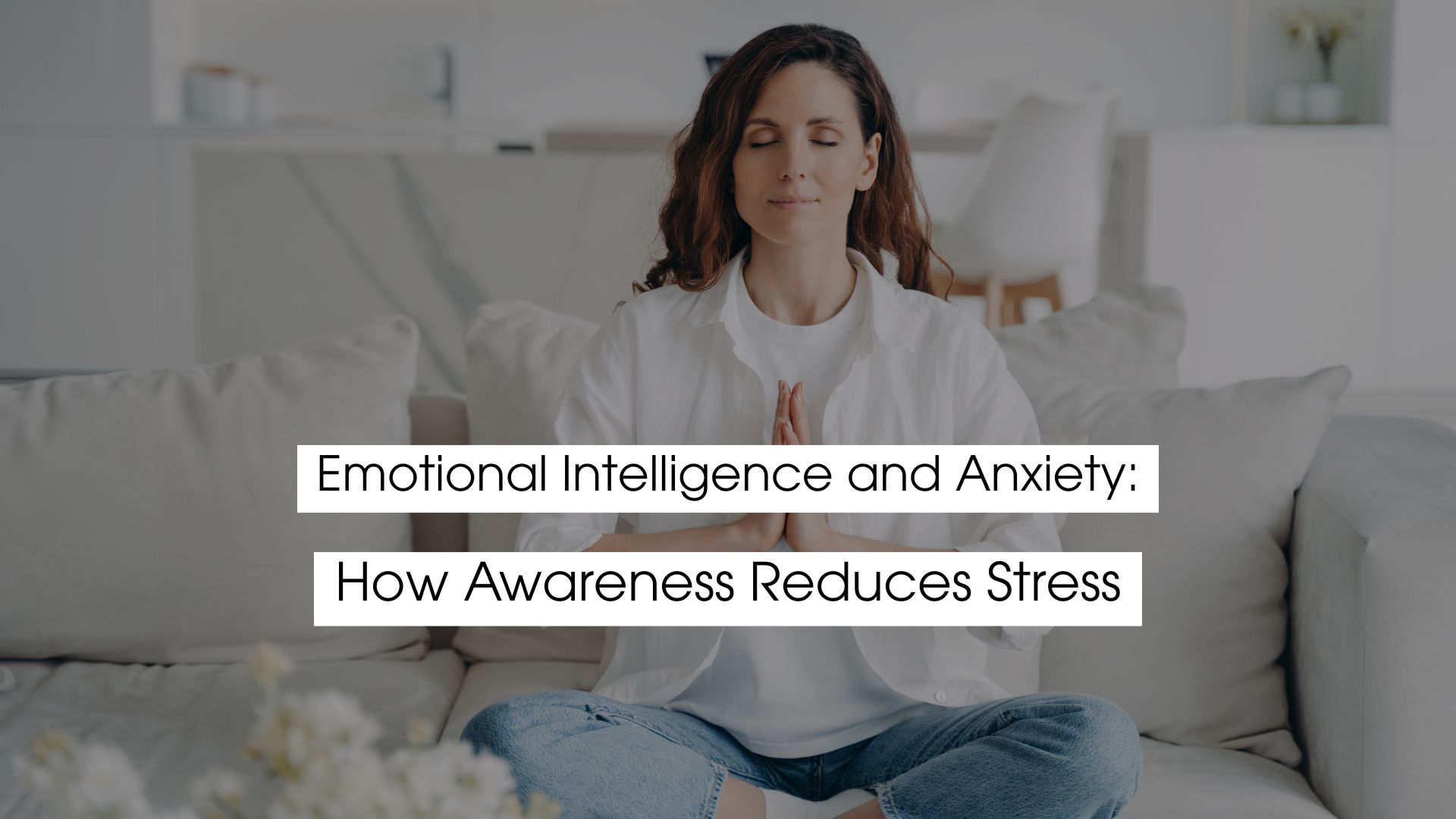
Emotional Intelligence and Anxiety: How Awareness Reduces Stress
Emotional intelligence plays a powerful role in reducing anxiety by increasing emotional awareness and self-regulation. When you learn to recognize…

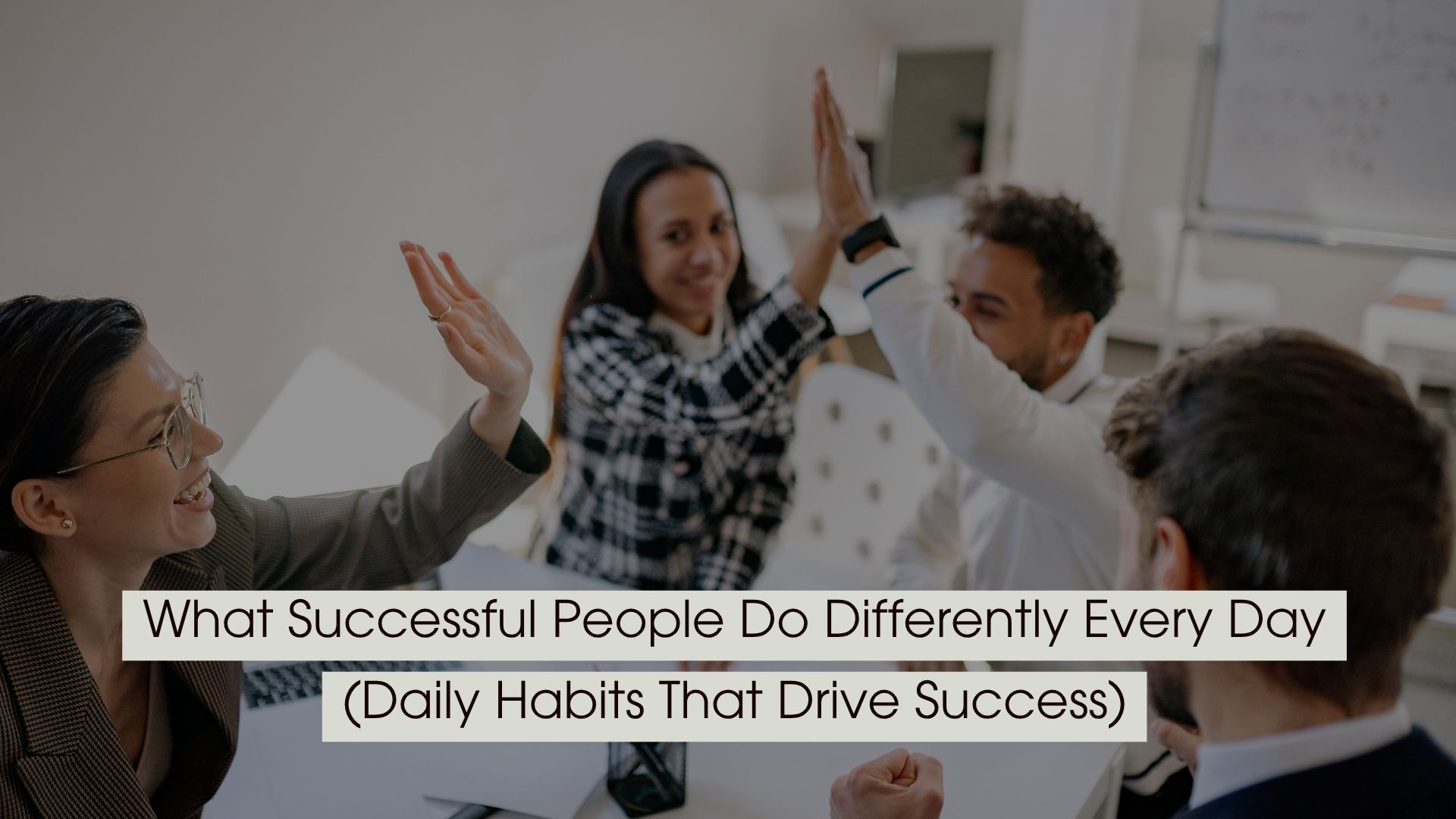
What Successful People Do Differently Every Day (Daily Habits That Drive Success)
Successful people achieve more by focusing on consistent daily habits rather than relying on motivation. Through discipline, planning, and continuous…
How to Stop Procrastination and Take Action Immediately (Proven Strategies That Work)
Procrastination is driven by avoidance and fear, not laziness. By breaking tasks into small steps, taking immediate action, and removing…
What Is Self-Discipline and Why It Matters: The Foundation of Success and Personal Growth
Self-discipline is the ability to stay committed to your goals, even when motivation fades. By developing consistent habits, strengthening self-control,…

How to Transform Your Life One Day at a Time: Small Daily Changes That Lead to Extraordinary Results
Transform Your Life One Day at a Time: Transforming your life doesn’t happen overnight, it happens one day at a…

How to Develop Unbreakable Self-Discipline: The Ultimate Guide to Building Mental Strength and Consistency
Developing unbreakable self-discipline isn’t about relying on endless motivation or willpower. It’s about building consistent habits, keeping promises to yourself,…