Table of Contents
- 1. Recognize That Uncertainty Is Part of Growth
- 2. Practice Emotional Awareness Daily
- 3. Reframe Setbacks as Data, Not Defeats
- 4. Create Grounding Rituals to Manage Stress
- 5. Build a Strong Support System
- 6. Set Boundaries to Protect Your Energy
- 7. Invest in Emotional Optimization Practices
- The Takeaway: Resilience Is the Real Measure of Success
- Sources & Further Learning:
- About the Author
- Book a Free Consultation
- Frequently Asked Questions (FAQ)
- Q1: Why is emotional resilience so important for entrepreneurs?
- Q2: Can emotional resilience really improve my business performance?
- Q3: What are the early signs that I’m losing emotional resilience?
- Q4: Can emotional resilience be trained, even if I’m naturally sensitive or easily overwhelmed?
- Q5: How long does it take to feel more emotionally grounded as an entrepreneur?
- Q6: Who is Emotional Optimization for?
- Q7: What happens during a Free Consultation with David?
- Q8: How quickly can I start seeing results with Emotional Optimization?
- Q9: What’s the next step if I’m curious but not ready for coaching yet?
- Explore More Articles on Emotional Optimization
In the fast-paced world of entrepreneurship, uncertainty is the only constant. One month you’re celebrating a successful launch, the next you’re questioning if you made the right decision at all. The emotional rollercoaster can be intense – and without resilience, even the most driven entrepreneurs can burn out.
Emotional resilience is what helps you stay centered when life and business feel unpredictable. It’s not about suppressing emotions, but mastering them – so you can lead, decide, and act from a place of calm strength instead of chaos.
Here’s how you can build the emotional foundation to thrive, no matter what challenges come your way.
1. Recognize That Uncertainty Is Part of Growth
Every entrepreneur faces moments of doubt – deals falling through, unexpected costs, or market shifts. The key difference between those who crumble and those who rise? Perspective.
Resilient entrepreneurs understand that uncertainty isn’t a threat – it’s feedback from the universe that growth is happening. Instead of resisting it, they adapt.
Pro Tip: The next time things feel unstable, ask yourself, “What’s within my control right now?” Focusing on controllable factors grounds your energy and reduces anxiety.
2. Practice Emotional Awareness Daily
You can’t manage what you don’t acknowledge. Emotional awareness helps you identify when stress, frustration, or fear starts to take over – so you can pause before reacting impulsively.
Try setting aside a few minutes each morning to check in with yourself. Ask:
- What emotion am I feeling right now?
- What triggered it?
- What do I need to feel grounded again?
Even this simple practice activates the rational part of your brain and helps regulate your emotional state.
3. Reframe Setbacks as Data, Not Defeats
Every “failure” in business holds valuable insight. Resilient leaders view setbacks as data – not as reflections of their worth.
Instead of spiraling into self-doubt, they ask: “What can I learn from this?” This mental shift transforms emotional pain into fuel for growth.
Example: Instead of saying, “My campaign flopped,” reframe it as, “Now I know what my audience doesn’t connect with – I can refine my message.”
4. Create Grounding Rituals to Manage Stress
When your business feels chaotic, your nervous system often mirrors that chaos. Grounding rituals – small, intentional practices – help you regulate your energy and stay focused.
Some powerful grounding techniques include:
- Breathwork: Try the 5-5-5 method – inhale for 5 seconds, hold for 5, exhale for 5.
- Mindful movement: Take a short walk without your phone and simply observe your surroundings.
- Journaling: Write down what’s worrying you, then note one small action you can take today.
These rituals teach your mind and body that even in uncertainty, you are safe and capable.
5. Build a Strong Support System
Entrepreneurship can be isolating, especially when everyone assumes you “have it all together.” But no one succeeds alone. Having a support system – mentors, peers, or coaches – gives you emotional stability and perspective when challenges arise.
Pro Tip: Schedule a weekly call with a trusted business friend or accountability partner to share progress, wins, and struggles. Talking through your emotions prevents burnout and keeps you grounded in reality.
6. Set Boundaries to Protect Your Energy
Overcommitment leads to emotional exhaustion. Setting boundaries helps you conserve energy for what truly matters. Say “no” to tasks or clients that drain you, and block out time in your schedule for rest and recovery.
Example: Turn off Slack and email notifications after 7 PM. Your brain – and creativity – need time to recharge.
Remember, your energy is your most valuable business asset. Protect it like you protect your profits.
7. Invest in Emotional Optimization Practices
If you’ve ever felt like you’re constantly “pushing through,” it might be time for deeper emotional work. Emotional Optimization™ helps you reprogram the subconscious patterns that fuel stress, fear, or overwhelm – allowing you to operate from clarity and balance.
Through guided emotional rewiring, mindfulness, and subconscious techniques, you can train your nervous system to stay calm under pressure.
Call to Action: Ready to master your emotions and lead from clarity?
Book a free consultation with David Caren to discover how he helps high-achieving entrepreneurs build lasting emotional resilience.
The Takeaway: Resilience Is the Real Measure of Success
Success isn’t about avoiding uncertainty – it’s about staying grounded when uncertainty hits.
When you cultivate emotional resilience, you unlock your greatest entrepreneurial superpower: the ability to stay clear, calm, and confident, even when the world around you feels chaotic.
In the end, it’s not just about building a business – it’s about building yourself into someone who thrives no matter what life throws your way.
Sources & Further Learning:
Developing emotional resilience isn’t something that happens overnight – it’s a continuous process of learning, reflection, and practice.
To deepen your understanding and apply these tools in your daily entrepreneurial life, here are some valuable resources, expert talks, and guided practices to explore:
- Mindful.org – “Mindfulness Techniques for Reducing Entrepreneurial Stress” Simple, science-backed mindfulness tools that help reduce emotional reactivity and improve clarity.
- “How Entrepreneurs Can Manage Stress and Avoid Burnout” by Simon Sinek – A motivating talk on why purpose and emotional awareness are essential for staying grounded as a leader.
- “Developing Emotional Resilience – Mindvalley Podcast with Gauranga Das” – Explore how self-mastery and emotional balance lead to sustained success and peace.
- “The Resilience Factor” by Karen Reivich & Andrew Shatté – A science-based approach to mastering emotional resilience.
- “Daring Greatly” by Brené Brown – Explore how vulnerability builds emotional strength and authentic leadership.
- “Emotional Agility” by Susan David – A practical framework for understanding and managing emotions effectively.
About the Author
David A. Caren is the creator of Emotional Optimization™ – helping high-performing professionals rewire emotional patterns for clarity, calm, and success.
Book a Free Consultation
Frequently Asked Questions (FAQ)
Q1: Why is emotional resilience so important for entrepreneurs?
Entrepreneurs face constant uncertainty, rapid decision-making, and emotional highs and lows. Emotional resilience helps you stay grounded, think clearly, and move forward even when circumstances feel unpredictable.
If you want help building deeper emotional stability, you can book a clarity consultation to identify your personal resilience gaps.
Q2: Can emotional resilience really improve my business performance?
Yes. When you’re emotionally regulated, you make better decisions, communicate more effectively, and avoid burnout-driven mistakes. Resilient entrepreneurs lead with clarity instead of panic.
If you’d like a personalized assessment of how emotional resilience can support your growth, you can book a consultation.
Q3: What are the early signs that I’m losing emotional resilience?
Common signs include overwhelm, irritability, difficulty concentrating, withdrawal, fatigue, and feeling emotionally reactive. These are signals that your nervous system needs support.
If you’re noticing any of these, you can book a session so we can map out your resilience-building strategy.
Q4: Can emotional resilience be trained, even if I’m naturally sensitive or easily overwhelmed?
Absolutely. Emotional resilience is a skill—built through awareness, emotional optimization tools, and nervous system regulation. Sensitivity does not disqualify you; it can actually become a strength.
If you want help strengthening this skill, feel free to book a consultation and I’ll guide you through the process.
Q5: How long does it take to feel more emotionally grounded as an entrepreneur?
Many entrepreneurs start feeling more calm and centered within a few weeks once they begin applying emotional optimization tools consistently. Sustainable, long-term resilience continues to grow over time.
If you’re curious what your timeline might look like, you can book a consultation and I’ll help you determine the best path forward.
Q6: Who is Emotional Optimization for?
It’s designed for high-achieving professionals, entrepreneurs, and leaders who want to break free from constant stress, self-doubt, or burnout. If you’re ready to perform at your best without sacrificing your peace, Emotional Optimization™ gives you the tools and awareness to do it.
👉 Book a Free Consultation to see if this approach fits your goals.
Q7: What happens during a Free Consultation with David?
Your 30-minute Free Consultation is a private, judgment-free conversation focused on you. Together, we identify where emotional friction is slowing you down and map the first steps toward clarity and balance. There’s no pressure, just insight, direction, and calm.
Schedule your session here → https://DavidACaren.com/Consultation
Q8: How quickly can I start seeing results with Emotional Optimization?
Many clients notice a shift within their first session, feeling lighter, clearer, and more focused. Because Emotional Optimization™ works at the subconscious level, transformation often happens faster than traditional talk therapy, self-help or mindset coaching.
If you’re ready to experience it firsthand, you can book a Free Consultation here and explore how this process can work for you.
Q9: What’s the next step if I’m curious but not ready for coaching yet?
Start by simply learning more. Read the articles on Emotional Optimization™ or Subscribe my YouTube Channel for insights, tools, and real conversations about mastering emotions and achieving balance. When you’re ready, your Free Consultation will be the next natural step toward lasting peace and performance.
Explore your next step (when you’re ready) → https://DavidACaren.com/Consultation
Explore More Articles on Emotional Optimization

Imposter Syndrome in Leadership: When Success Feels Uncomfortable
Imposter syndrome in leadership often emerges just as success and responsibility increase, leaving capable leaders feeling uncertain, anxious, or undeserving…


Emotional Optimization as a Personal Development Tool: How to Create Sustainable Growth
Emotional optimization is a powerful personal development tool that helps you create sustainable growth by working with your emotions instead…
Emotional Intelligence and Anxiety: How Awareness Reduces Stress
Emotional intelligence plays a powerful role in reducing anxiety by increasing emotional awareness and self-regulation. When you learn to recognize…
What Successful People Do Differently Every Day (Daily Habits That Drive Success)
Successful people achieve more by focusing on consistent daily habits rather than relying on motivation. Through discipline, planning, and continuous…
How to Stop Procrastination and Take Action Immediately (Proven Strategies That Work)
Procrastination is driven by avoidance and fear, not laziness. By breaking tasks into small steps, taking immediate action, and removing…
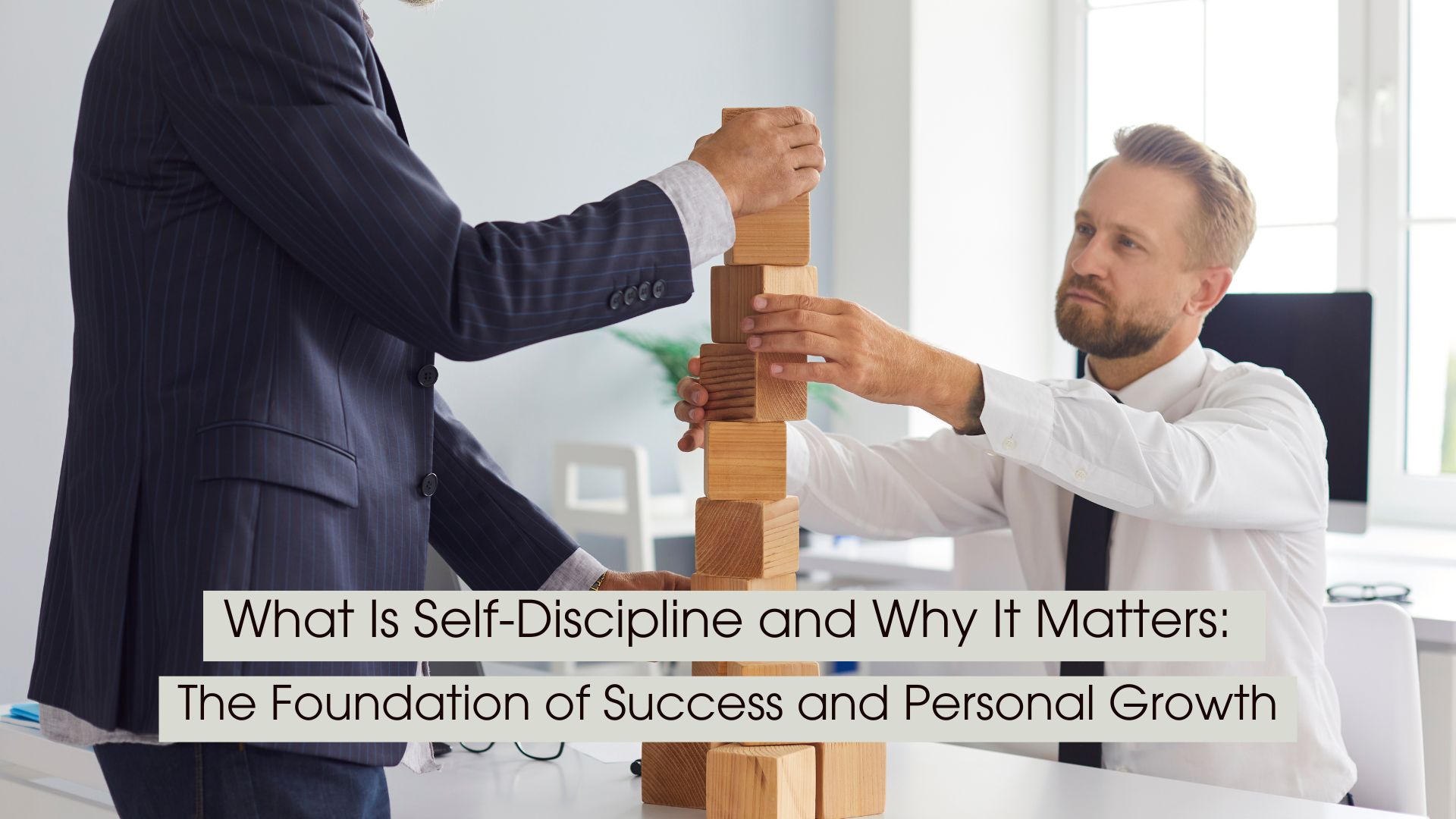
What Is Self-Discipline and Why It Matters: The Foundation of Success and Personal Growth
Self-discipline is the ability to stay committed to your goals, even when motivation fades. By developing consistent habits, strengthening self-control,…