Table of Contents
- Managing Stress & Anxiety During the Holidays | Mental Health Webinar
- Why Holiday Stress Happens
- Signs You May Be Experiencing Holiday Stress
- How to Reduce Holiday Stress and Feel More at Ease
- When to Seek Support
- Final Thoughts
- Sources & Further Learning
- About the Author
- Book a Free Consultation
- Why do I feel more stressed during the holidays?
- Is holiday stress normal?
- How can I avoid feeling overwhelmed during the holidays?
- What should I do if family gatherings trigger my anxiety?
- What are quick ways to calm anxiety during holiday events?
- How do I stop feeling guilty when I say “no” during the holidays?
- How can I enjoy the holidays more?
- When should I seek professional help for holiday stress?
If your efforts to reduce holiday stress still leave you feeling overwhelmed, exhausted, or emotionally drained, it may be time to seek additional support. When holiday season anxiety affects your sleep, appetite, productivity, relationships, or overall mental well-being, these are signs that the stress has moved beyond normal seasonal pressure. Persistent worry, emotional heaviness, irritability, or feeling constantly “on edge” during the holidays are indicators that you may benefit from professional guidance.
Speaking with a therapist or counselor can help you understand the deeper triggers behind your holiday stress and anxiety, whether they stem from family expectations, financial pressure, social commitments, or unresolved emotional patterns. A mental health professional can equip you with personalized tools to reduce holiday stress, manage emotional overwhelm, and develop healthier coping strategies that you can use every holiday season. Seeking support isn’t a weakness — it’s a proactive step toward protecting your peace and ensuring that the holiday season becomes more manageable, meaningful, and emotionally balanced.
Managing Stress & Anxiety During the Holidays | Mental Health Webinar
Why Holiday Stress Happens
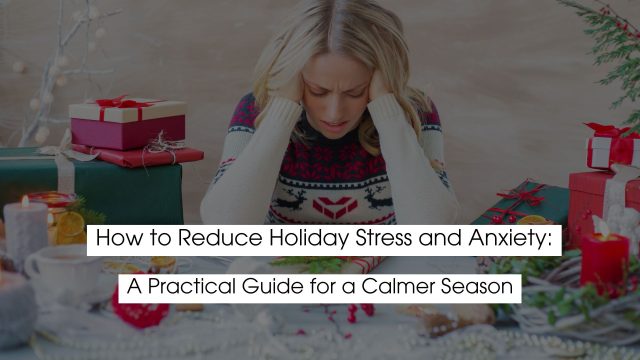
Holiday stress typically comes from a combination of emotional expectations, logistical demands, and internal pressure. Many people feel responsible for making the holidays “magical” — the perfect gifts, the perfect meal, the perfect gathering. But perfection is draining. When reality doesn’t match the idealized version of the season (often shaped by childhood memories or social media), disappointment and stress quickly follow.
Financial pressure is another major source of stress. Gift-giving, travel costs, holiday sales, school activities, parties, and food can add up fast. Even the fear of “not giving enough” can trigger anxiety or guilt. Family dynamics also play a huge role. Old conflicts, unresolved tension, or simply being around relatives you don’t see often can stir emotional discomfort. For some, the holidays highlight loneliness, grief, or the absence of loved ones, making the season even more emotionally heavy.And then there’s the schedule overload. Events, errands, decorating, shopping, cooking, traveling, and hosting responsibilities can disrupt normal routines, increase fatigue, and decrease personal time — all of which elevate stress levels.
Signs You May Be Experiencing Holiday Stress
Holiday stress doesn’t always appear suddenly — it often builds quietly over time. At first, it may look like simple tiredness or irritability, but as the holiday season becomes busier and expectations rise, the symptoms can intensify. You might catch yourself feeling unusually impatient, overwhelmed, or drained by tasks that normally wouldn’t bother you. This emotional heaviness can make even small responsibilities feel like major challenges.
You may also notice changes in your sleep, such as difficulty falling asleep, restless nights, or waking up already feeling exhausted. Social events, family gatherings, or reunions may trigger anxiety, especially if you’re navigating complex relationships, unresolved tensions, or pressure to appear cheerful. Financial stress plays a major role too — the expectation to buy gifts, contribute to events, or “make the holiday special” can create a sense of pressure to overspend or take on more than you can realistically manage.
Emotionally, holiday stress may show up as mood swings, sensitivity, or feeling triggered by things that normally wouldn’t affect you. Some people begin avoiding certain activities because they simply feel “too much,” which can lead to guilt, shame, or the belief that they’re not doing enough during a season that’s supposed to feel joyful and festive.
It’s important to remember: these reactions don’t mean you’re ungrateful or failing. They mean you’re human. The holiday season carries emotional weight, financial strain, and social expectations — and feeling stressed is a perfectly normal response. Recognizing these signs is the first step toward giving yourself the compassion, boundaries, and support you deserve.
How to Reduce Holiday Stress and Feel More at Ease
Reducing holiday stress isn’t about changing the entire season — it’s about approaching it with intentionality, boundaries, and compassion.
One of the most effective things you can do is set realistic expectations. Release the idea of creating a flawless holiday and instead focus on what truly matters to you. This might mean simplifying traditions, choosing quality over quantity, or letting go of activities that no longer bring joy. When you reduce unnecessary pressure, you create space for genuine enjoyment.
Another powerful step is protecting your finances and creating a spending plan. Decide ahead of time what you’re comfortable spending and stick to it. Remember that meaningful gifts don’t have to be expensive — handwritten letters, shared experiences, homemade treats, or thoughtful gestures carry as much (or even more) emotional value.
You can also reduce stress by managing your energy and time more intentionally. It’s okay to say no to invitations, decline events, or limit your schedule. Protecting your boundaries doesn’t make you selfish; it makes you healthier. Build pockets of rest into your days — even short breaks, slow mornings, mindful walks, or quiet evenings can help restore calm and balance.
Keeping small grounding routines in place can help your nervous system stay regulated. A few minutes of breathing exercises, journaling, stretching, or meditation can provide a sense of stability when the season feels chaotic. You don’t need a lengthy routine — consistency matters more than duration.
If you’re hosting or taking on responsibilities, don’t be afraid to ask for help. Delegating tasks like food prep, decorating, or organizing allows you to share the load instead of carrying everything alone. The holidays are meant to be shared — not shouldered by one person.
Emotionally, it’s important to acknowledge how you’re feeling — especially if the holidays bring up grief, sadness, or loneliness. Instead of forcing yourself to feel cheerful, give yourself permission to honor your emotions. Create a ritual to remember loved ones, spend time in nature, or reach out to someone who understands. Emotional validation is a powerful form of self-care.
Most importantly, practice presence over performance. Pay attention to quiet moments: the warm glow of lights, the smell of food cooking, shared laughter, meaningful conversations, or acts of kindness. These are the moments that matter — not the perfect decorations, the perfect gifts, or the perfect table setting.
When to Seek Support
If holiday stress and anxiety begin to interfere with your sleep, appetite, relationships, work performance, or overall sense of well-being, it may be a sign that you need additional support. Feeling overwhelmed from time to time is completely normal — the holidays can be emotionally charged, fast-paced, and full of expectations — but when that stress becomes persistent, physically exhausting, or emotionally destabilizing, it’s important to pay attention. These symptoms may signal that the pressure you’re experiencing has moved beyond typical holiday busyness and into something that deserves more care.
A licensed therapist or counselor can help you explore what’s contributing to your holiday stress and anxiety. For some people, this may stem from family conflicts or complicated dynamics. For others, financial strain, loneliness, grief, or the pressure to create “perfect” holiday experiences can contribute to mounting emotional distress. Whatever the cause, a mental health professional can help you identify patterns, unpack underlying emotions, and develop healthier, more sustainable strategies for coping.
Seeking support also provides a safe, judgment-free space to express your thoughts and feelings. With guidance, you can learn evidence-based tools for reducing anxiety, regulating stress, setting boundaries, and strengthening emotional resilience — skills that can help you navigate not only holiday-related challenges but the rest of the year as well.
There is absolutely no shame in asking for help. Reaching out is a sign of strength, not weakness. Taking action to address holiday stress and anxiety is one of the most proactive steps you can take to protect your mental and emotional health, both during the holiday season and long after it’s over.
Final Thoughts
You don’t have to simply “survive” the holidays — you deserve to experience them in a way that feels peaceful, meaningful, and aligned with your well-being. Many people feel pressured to keep up with traditions, attend every event, or meet expectations that no longer fit their lives. But the truth is, you’re allowed to create a holiday season that supports you. When you set boundaries, honor your emotional needs, and simplify where you can, you make room for moments that feel more grounded and authentic. Small choices — saying no to an overwhelming event, reducing financial strain, or carving out quiet time for yourself — can transform the season into something that nurtures rather than depletes you.
The holidays may come with pressure, expectations, and emotional weight — old family dynamics, financial concerns, grief, loneliness, or the desire to make everything perfect can all intensify this time of year. But these pressures don’t have to take over your well-being. By slowing down, giving yourself permission to rest, and practicing self-compassion, you create emotional space that allows you to move through the season with steadier breath and clearer intention.
Setting boundaries is not about shutting people out — it’s about protecting your energy so you can show up in ways that feel genuine. Honoring your needs doesn’t make you difficult; it makes you whole. Whether you choose a quieter celebration, spend time with people who uplift you, or skip traditions that no longer serve you, your comfort and emotional health deserve to come first.
Remember: you’re allowed to redefine what the holidays look like for you. Choosing peace isn’t selfish — it’s a powerful form of self-care that makes room for more presence, connection, and joy. When you release the pressure to create a flawless holiday and instead focus on what feels true, you give yourself permission to experience the season more fully.
The holidays don’t have to be perfect to be beautiful — they simply need to feel honest, intentional, and aligned with who you are.
Sources & Further Learning
Articles & Research
- American Psychological Association — Managing Holiday Stress
https://www.apa.org/topics/stress/holiday - Mayo Clinic — Stress, Depression, and the Holidays
https://www.mayoclinic.org/healthy-lifestyle/stress-management/in-depth/stress/art-20047544 - Cleveland Clinic — Why the Holidays Can Be Stressful
https://health.clevelandclinic.org/holiday-stress - Anxiety & Depression Association of America — Understanding Anxiety
https://adaa.org/understanding-anxiety
Helpful YouTube Videos
- How to Reduce Holiday Stress – Therapist Aid
https://www.youtube.com/watch?v=cuEcdw4ZkqE - Managing Holiday Anxiety – Therapy in a Nutshell
https://www.youtube.com/watch?v=qPNsZcR9C5E - Holiday Stress Relief Techniques – Guided Meditation & Breathwork
https://www.youtube.com/watch?v=Y-XxG7U2c6k - How to Set Boundaries During the Holidays – Nedra Tawwab
https://www.youtube.com/watch?v=IfllgGfCw6E
About the Author
David A. Caren is the creator of Emotional Optimization™ – helping high-performing professionals rewire emotional patterns for clarity, calm, and success.
Book a Free Consultation
Why do I feel more stressed during the holidays?
Holiday stress can come from many factors — financial pressure, family expectations, social obligations, disrupted routines, grief, or simply the pressure to “be happy.” When multiple emotional and practical demands pile up at once, your nervous system becomes overwhelmed, making stress and anxiety more likely.
Is holiday stress normal?
Yes. Research shows that most people experience increased stress during the holiday season. You are not alone, and feeling overwhelmed doesn’t mean you’re ungrateful — it simply means your emotional and mental load is heavier than usual.
How can I avoid feeling overwhelmed during the holidays?
The best way to avoid overwhelm is to set boundaries early, plan realistically, simplify commitments, and protect your energy. Prioritizing rest, saying “no” to unnecessary tasks, and managing expectations can dramatically reduce stress.
What should I do if family gatherings trigger my anxiety?
Prepare ahead. Set time limits, have a step-out strategy, practice grounding techniques, and focus on supportive people. You can also plan to leave early or take breaks when tension rises. Your peace matters more than tradition.
What are quick ways to calm anxiety during holiday events?
Use grounding exercises like deep breathing, sensory resets, stepping outside for fresh air, or anchoring yourself with a comforting object. Staying hydrated and limiting caffeine and alcohol also helps regulate your nervous system.
How do I stop feeling guilty when I say “no” during the holidays?
Remind yourself that boundaries protect your energy, mental health, and relationships. Saying “no” to one thing means saying “yes” to what matters more — including your well-being. Guilt is temporary; burnout is not.
How can I enjoy the holidays more?
Slow down, be intentional, choose meaningful traditions, prioritize rest, and create small pockets of joy. Focus on connection instead of perfection. The holidays are not meant to be a performance — they’re meant to be lived.
When should I seek professional help for holiday stress?
If stress or anxiety interferes with your daily functioning, affects your sleep, impacts your appetite, causes panic attacks, or triggers depression, consider reaching out to a mental health professional. Support can make the season easier and healthier.

How to Transform Your Life One Day at a Time: Small Daily Changes That Lead to Extraordinary Results
Transform Your Life One Day at a Time: Transforming your life doesn’t happen overnight, it happens one day at a…


How to Develop Unbreakable Self-Discipline: The Ultimate Guide to Building Mental Strength and Consistency
Developing unbreakable self-discipline isn’t about relying on endless motivation or willpower. It’s about building consistent habits, keeping promises to yourself,…
How to Strengthen Your Willpower Every Day: Practical Strategies for Better Self-Control
Strengthening your willpower starts with small, intentional decisions. By reducing distractions, practicing delayed gratification, building supportive routines, and keeping promises…
Personal Development: The Growth Mindset Formula, How to Rewire Your Brain for Success
Personal development begins with one powerful belief: you can improve. The growth mindset formula teaches you how to rewire your…
Personal Development: Why Overthinking Is Holding You Back (And How to Stop)
Overthinking feels safe, but it quietly steals your momentum, confidence, and clarity. The more you analyze, the less you act….
How Stop Negative Self-Talk Permanently
Negative self-talk is not permanent, it is a learned pattern that can be rewired. Through awareness, cognitive restructuring, and self-compassion,…