Table of Contents
- Avoid These Common Personal Growth MISTAKES At All Costs | Denzel Washington Motivational Speech
- What Is the #1 Personal Growth Mistake?
- Why Overthinking Slows Personal Growth
- The Psychology Behind Inaction
- Why Action Is the Key to Growth
- The Cost of Waiting
- How to Fix This Mistake
- Building an Action-Oriented Mindset
- Real Growth Happens in Motion
- Conclusion
- Sources and Further Reading
Many people invest time in personal development, reading books, watching videos, setting goals, yet still feel stuck.
They know what to do, but they’re not making real progress.
So what’s holding them back?
The answer is surprisingly simple: inaction caused by overthinking.
This is the #1 mistake that slows personal growth. It creates a cycle where individuals constantly prepare, plan, and analyze, but rarely take meaningful action.
Psychologist Daniel Kahneman explains that the brain often defaults to cautious thinking to avoid risk, which can lead to hesitation and delayed decisions.
While thinking is important, growth requires action.
Understanding this mistake is the first step toward breaking free and accelerating your personal development.
Avoid These Common Personal Growth MISTAKES At All Costs | Denzel Washington Motivational Speech
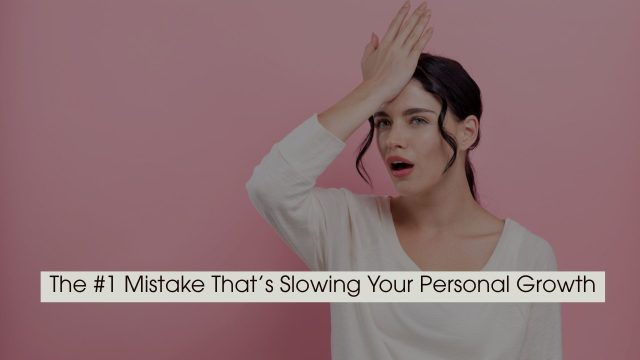
What Is the #1 Personal Growth Mistake?
The most common mistake in personal growth is:
Waiting too long to act because you’re overthinking, doubting, or trying to be perfect.
This mistake often appears in different forms:
- Waiting until you feel “ready”
- Overanalyzing every decision
- Fear of making mistakes
- Constantly consuming information without applying it
This leads to analysis paralysis, where thinking replaces action.
Why Overthinking Slows Personal Growth
Overthinking feels productive, but it often creates delays.
1. It Creates Decision Paralysis
Too many thoughts can make it difficult to choose a direction.
2. It Increases Fear
The more you think, the more risks and potential failures you imagine.
3. It Delays Progress
While you are thinking, opportunities pass and progress slows.
4. It Reduces Confidence
Lack of action prevents you from building experience and self-belief.
The Psychology Behind Inaction
The brain is designed to avoid risk.
The amygdala triggers fear responses when facing uncertainty, encouraging safety over action.
At the same time, the logical part of the brain tries to evaluate every possible outcome.
This combination often leads to hesitation.
According to Daniel Kahneman, this conflict between fast emotional thinking and slow analytical thinking can delay decisions.
Why Action Is the Key to Growth
Personal growth happens through experience, not just knowledge.
Taking action allows individuals to:
- Learn from real situations
- Build confidence
- Develop skills
- Gain clarity
Without action, knowledge remains theoretical.
The Cost of Waiting
Waiting for the “perfect moment” can lead to:
- Missed opportunities
- Slower progress
- Increased self-doubt
- Regret
Perfection rarely arrives.
Progress comes from starting before you feel fully ready.
How to Fix This Mistake
1. Take Imperfect Action
You do not need to be perfect to start.
Action creates momentum and learning.
2. Set Decision Deadlines
Giving yourself a time limit prevents overthinking.
3. Focus on Progress, Not Perfection
Progress builds confidence and motivation.
4. Limit Information Consumption
Learning is important, but too much information can delay action.
5. Reframe Failure
Failure is feedback, not a final result.
Psychologist Carol Dweck emphasizes that individuals with a growth mindset view mistakes as opportunities to learn.
Building an Action-Oriented Mindset
An action-oriented mindset focuses on doing rather than waiting.
It involves:
- Starting before you feel ready
- Learning through experience
- Adjusting along the way
Small actions taken consistently lead to significant results.
Real Growth Happens in Motion
Growth is not achieved by thinking alone.
It happens when you:
- Try new things
- Take risks
- Learn from mistakes
- Adapt and improve
Each action provides feedback that helps refine your approach.
Conclusion
The #1 mistake slowing your personal growth is not lack of knowledge, it is lack of action.
Overthinking, fear, and perfectionism create delays that prevent progress.
The solution is simple but powerful: take action.
Start small, accept imperfection, and learn as you go.
Personal growth is not about waiting for the right moment, it is about creating progress through consistent action.
The faster you move from thinking to doing, the faster you grow.
Sources and Further Reading
- Daniel Kahneman – Decision-making and thinking systems
- Carol Dweck – Growth mindset research
- American Psychological Association – Studies on behavior and decision-making
- Kahneman, D. (2011). Thinking, Fast and Slow
- Dweck, C. (2006). Mindset
About the Author
David A. Caren is the creator of Emotional Optimization™ – helping high-performing professionals rewire emotional patterns for clarity, calm, and success.
Book a Free Consultation
What is the biggest mistake in personal growth?
The biggest mistake is inaction caused by overthinking and fear.
Why do people overthink?
The brain tries to avoid risk and uncertainty, leading to hesitation.
How can I stop overthinking?
Set decision deadlines, take small actions, and focus on progress.
Is action more important than planning?
Both are important, but action is necessary for real progress.
Can taking action improve confidence?
Yes. Action builds experience, which increases confidence.
What Is Self-Discipline and Why It Matters: The Foundation of Success and Personal Growth
Self-discipline is the ability to stay committed to your goals, even when motivation fades. By developing consistent habits, strengthening self-control,…


How to Transform Your Life One Day at a Time: Small Daily Changes That Lead to Extraordinary Results
Transform Your Life One Day at a Time: Transforming your life doesn’t happen overnight, it happens one day at a…

How to Develop Unbreakable Self-Discipline: The Ultimate Guide to Building Mental Strength and Consistency
Developing unbreakable self-discipline isn’t about relying on endless motivation or willpower. It’s about building consistent habits, keeping promises to yourself,…
How to Strengthen Your Willpower Every Day: Practical Strategies for Better Self-Control
Strengthening your willpower starts with small, intentional decisions. By reducing distractions, practicing delayed gratification, building supportive routines, and keeping promises…
Personal Development: The Growth Mindset Formula, How to Rewire Your Brain for Success
Personal development begins with one powerful belief: you can improve. The growth mindset formula teaches you how to rewire your…

Personal Development: Why Overthinking Is Holding You Back (And How to Stop)
Overthinking feels safe, but it quietly steals your momentum, confidence, and clarity. The more you analyze, the less you act….