Table of Contents
- What is imposter syndrome and how can you combat it? – Elizabeth Cox
- What Is Imposter Syndrome?
- What Is Anxiety?
- How Imposter Syndrome and Anxiety Are Connected
- Signs You May Be Experiencing Both Imposter Syndrome and Anxiety
- The Psychology Behind the Cycle
- How to Break the Imposter Syndrome–Anxiety Cycle
- Why Imposter Syndrome Often Appears During Growth
- When to Seek Professional Help
- Conclusion: Confidence Is Built, Not Proved
- Sources & Further Reading
- About the Author
- Book a Free Consultation
Imposter syndrome and anxiety are deeply connected—and together, they can quietly undermine confidence, performance, and well-being. Many high achievers, professionals, entrepreneurs, and creatives struggle with the feeling that they are not “good enough,” even when evidence proves otherwise. Over time, this persistent self-doubt fuels chronic anxiety, stress, and emotional exhaustion.
Understanding how imposter syndrome and anxiety interact is the first step toward breaking the cycle. In this article, we’ll explore the psychological link between the two, how they reinforce each other, and what you can do to regain confidence and emotional balance.
What is imposter syndrome and how can you combat it? – Elizabeth Cox
What Is Imposter Syndrome?
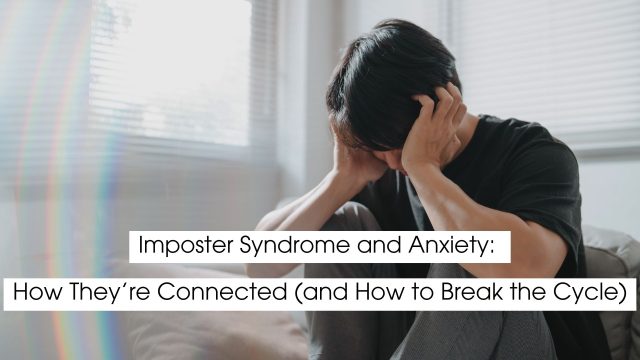
Imposter syndrome is the internal belief that your success is due to luck, timing, or external factors—not your skills or effort. People experiencing imposter syndrome often fear being “found out” as a fraud, even when they are competent, capable, and accomplished.
Common imposter thoughts include:
- “I don’t deserve this.”
- “I just got lucky.”
- “Soon they’ll realize I don’t know enough.”
- “Others are more capable than me.”
These thoughts don’t reflect reality—but they strongly influence how you feel and behave.
What Is Anxiety?
Anxiety is the body’s natural stress response to perceived threats. While occasional anxiety is normal, chronic anxiety occurs when the nervous system remains in a constant state of alert. This leads to symptoms such as restlessness, overthinking, racing thoughts, difficulty sleeping, muscle tension, and persistent worry.
When anxiety becomes habitual, it interferes with daily life, decision-making, and emotional well-being.
How Imposter Syndrome and Anxiety Are Connected
Imposter syndrome and anxiety often coexist because they feed into each other through a powerful psychological loop.
Fear of Being Exposed
Imposter syndrome creates a constant fear of failure or judgment. The brain interprets this fear as a threat, activating the body’s stress response and triggering anxiety.
Chronic Self-Doubt
Anxiety thrives on uncertainty. When imposter syndrome causes you to question your abilities, anxious thoughts spiral—“What if I mess this up?” or “What if I disappoint everyone?”
Perfectionism and Pressure
Many people with imposter syndrome believe they must perform perfectly to avoid being exposed. This unrealistic pressure creates ongoing stress and anxiety, making it difficult to relax or feel satisfied.
Overworking and Burnout
To compensate for feeling “not enough,” people often overwork, overprepare, or refuse to delegate. Exhaustion weakens emotional resilience, making anxiety symptoms worse.
Avoidance and Procrastination
Fear of being judged can lead to avoiding opportunities, speaking up, or taking risks. Avoidance temporarily reduces anxiety but reinforces long-term fear and self-doubt.
Signs You May Be Experiencing Both Imposter Syndrome and Anxiety
You may be dealing with both if you notice:
- Constant worry about performance or judgment
- Difficulty accepting compliments or success
- Overthinking decisions and conversations
- Anxiety before meetings, presentations, or deadlines
- Physical symptoms like tight chest, restlessness, or rapid heartbeat
- Fear of making mistakes
- Feeling behind or not good enough despite achievements
These signs are common—especially among high achievers—and they do not mean you are weak or incapable.
The Psychology Behind the Cycle
Imposter syndrome is rooted in cognitive patterns formed through early experiences, societal expectations, or high-pressure environments. Anxiety, meanwhile, is driven by the nervous system’s fight-or-flight response.
When your beliefs say, “I’m not enough”, your brain reacts as if you’re in danger. It cannot distinguish between:
- A real physical threat
- The imagined threat of being judged or failing
As a result, stress hormones increase, anxiety intensifies, and the cycle continues—unless consciously interrupted.
How to Break the Imposter Syndrome–Anxiety Cycle
Challenge Automatic Thoughts
Thoughts are not facts. When imposter thoughts arise, gently question them. Ask yourself, “What evidence supports this belief?” and “What evidence contradicts it?”
Track Evidence of Competence
Keep a record of wins, positive feedback, and progress. Reviewing tangible proof helps ground your thinking and reduce anxiety.
Shift from Perfection to Progress
Perfectionism fuels anxiety. Reframe success as progress, learning, and growth rather than flawless performance.
Regulate the Nervous System
Breathing exercises, grounding techniques, and mindful pauses help calm the stress response that imposter syndrome triggers.
Set Sustainable Boundaries
Overworking reinforces anxiety. Rest, recovery, and boundaries are essential—not rewards you must earn.
Normalize the Experience
Imposter syndrome often appears during growth. Feeling unsure doesn’t mean you’re failing—it means you’re expanding.
Seek Support When Needed
Coaches, therapists, or trusted mentors can help identify distorted thinking patterns and build emotional resilience.
Why Imposter Syndrome Often Appears During Growth
You don’t experience imposter syndrome when staying in your comfort zone. It shows up when:
- You take on new responsibilities
- You grow in visibility or leadership
- You challenge old identity limits
In this way, imposter syndrome is often a sign of transformation—not inadequacy.
When to Seek Professional Help
If anxiety or imposter feelings affect sleep, relationships, work performance, or daily functioning, professional support can be life-changing. Therapy or coaching can help you rewire thought patterns, regulate emotions, and rebuild confidence safely and sustainably.
Conclusion: Confidence Is Built, Not Proved
Imposter syndrome and anxiety can feel overwhelming—but they are manageable. By understanding how they’re connected and addressing both the mental and emotional components, you can break the cycle.
You don’t need to eliminate self-doubt to move forward.
You don’t need to be perfect to be worthy.
You don’t need to earn your right to succeed.
You belong exactly where you are—and you’re allowed to grow with confidence.
Sources & Further Reading
Research & Definitions
- American Psychological Association (APA) – Impostor Phenomenon
https://www.apa.org/monitor/nov01/imposter
(Overview of where imposter syndrome comes from and how it impacts people psychologically) - Verywell Mind – What Is Imposter Syndrome?
https://www.verywellmind.com/what-is-imposter-syndrome-2795042
(Clear explanation of common imposter thoughts and symptoms) - Anxiety & Depression Association of America (ADAA) – Anxiety Basics
https://adaa.org/understanding-anxiety
(Trusted resource on anxiety symptoms, causes, and treatment options)
Psychology & Emotional Patterns
- Psychology Today – Understanding Impostor Syndrome
https://www.psychologytoday.com/us/basics/imposter-syndrome
(Psychology-oriented explanation of imposter syndrome and cognitive patterns) - Greater Good Science Center – Self-Compassion & Anxiety
https://greatergood.berkeley.edu/topic/self_compassion/definition
(Research on how self-compassion counteracts negative thought loops) - Harvard Health Publishing – Overcoming Anxiety
https://www.health.harvard.edu/mind-and-mood/overcoming-anxiety
(Evidence-based strategies for easing anxiety symptoms)
Growth Mindset & Cognitive Reframing
- MindTools – Overcoming Limiting Beliefs & Anxiety
https://www.mindtools.com/pages/article/limiting-beliefs.htm
(Practical mindset exercises to challenge unhelpful beliefs) - Carol Dweck – Growth Mindset
https://www.mindsetworks.com/science/
(Foundational research on fixed vs. growth mindset) - James Clear – Identity and Behavior Change
https://jamesclear.com/identity-based-habits
(Scientific approach to long-term behavior and thought change)
About the Author
David A. Caren is the creator of Emotional Optimization™ – helping high-performing professionals rewire emotional patterns for clarity, calm, and success.
Book a Free Consultation
What is the connection between imposter syndrome and anxiety?
Imposter syndrome and anxiety are closely linked because persistent self-doubt triggers the body’s stress response. When someone constantly fears being exposed as a fraud, the brain perceives this as a threat, activating anxiety and chronic stress.
Can imposter syndrome cause anxiety?
Yes. Imposter syndrome can directly contribute to anxiety by creating constant fear of failure, judgment, or making mistakes. Over time, this fear keeps the nervous system in a heightened state of alert, leading to ongoing anxiety symptoms.
Can you have imposter syndrome without realizing it?
Absolutely. Many people experience imposter syndrome unconsciously through behaviors like overworking, avoiding opportunities, dismissing compliments, or feeling intense pressure to be perfect—without labeling it as imposter syndrome.
Who is most affected by imposter syndrome and anxiety?
High achievers, entrepreneurs, professionals, creatives, and people in leadership roles commonly experience both imposter syndrome and anxiety. It often appears during periods of growth, change, or increased responsibility.
What are common symptoms of imposter syndrome combined with anxiety?
Common symptoms include excessive self-doubt, fear of being exposed, overthinking, perfectionism, difficulty relaxing, trouble sleeping, physical tension, and constant worry about performance or approval.
Imposter Syndrome and Anxiety: How They’re Connected (and How to Break the Cycle)
Imposter syndrome and anxiety often go hand in hand, creating a cycle of self-doubt, overthinking, and emotional overwhelm. Understanding how…


Imposter Syndrome in Leadership: When Success Feels Uncomfortable
Imposter syndrome in leadership often emerges just as success and responsibility increase, leaving capable leaders feeling uncertain, anxious, or undeserving…

Emotional Optimization as a Personal Development Tool: How to Create Sustainable Growth
Emotional optimization is a powerful personal development tool that helps you create sustainable growth by working with your emotions instead…
Emotional Intelligence and Anxiety: How Awareness Reduces Stress
Emotional intelligence plays a powerful role in reducing anxiety by increasing emotional awareness and self-regulation. When you learn to recognize…
What Successful People Do Differently Every Day (Daily Habits That Drive Success)
Successful people achieve more by focusing on consistent daily habits rather than relying on motivation. Through discipline, planning, and continuous…
How to Stop Procrastination and Take Action Immediately (Proven Strategies That Work)
Procrastination is driven by avoidance and fear, not laziness. By breaking tasks into small steps, taking immediate action, and removing…