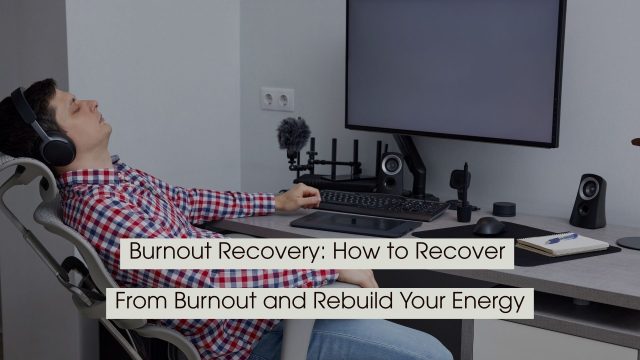
Burnout can leave you feeling physically exhausted, emotionally drained, and mentally disconnected from your work and daily responsibilities. Tasks that once felt meaningful may suddenly feel overwhelming or pointless.
Burnout is more than simple fatigue. It is a state of emotional, mental, and physical exhaustion caused by prolonged stress. According to the World Health Organization, burnout is characterized by emotional exhaustion, detachment from work, and reduced effectiveness.
Recovering from burnout takes time and intentional effort. It requires not only rest but also meaningful changes to routines, boundaries, and expectations. Understanding how burnout affects the mind and body is the first step toward rebuilding energy and restoring motivation.
How to Deal with Burnout
Understanding Burnout Recovery
Burnout recovery is not simply about taking a short break or vacation. While rest can provide temporary relief, true recovery involves addressing the underlying causes of stress and restoring emotional balance.
Burnout was extensively studied by Christina Maslach, whose research highlighted emotional exhaustion as the central component of burnout.
Recovery involves replenishing mental energy, reducing stress triggers, and rebuilding motivation over time.
Signs You May Need Burnout Recovery
Recognizing burnout is essential before beginning the recovery process.
Common burnout symptoms include:
- Persistent fatigue
- Loss of motivation
- Difficulty concentrating
- Emotional detachment from work
- Increased irritability
- Reduced productivity
Research summarized by the American Psychological Association shows that prolonged stress can significantly affect both cognitive performance and emotional well-being.
If these symptoms persist, intentional recovery strategies may be necessary.
Steps to Recover From Burnout and Rebuild Your Energy
Prioritize Rest and Recovery
The first step in burnout recovery is allowing your mind and body to rest.
Sleep, regular breaks, and periods of relaxation help restore cognitive function and emotional balance.
Taking time away from stressful environments can accelerate the recovery process.
Reduce Stress Triggers
Burnout recovery often requires identifying and reducing the sources of chronic stress.
This may involve adjusting workloads, setting clearer boundaries, or reevaluating responsibilities that contribute to excessive pressure.
Rebuild Healthy Routines
Consistent daily habits can help restore stability and energy.
Healthy routines may include:
- Regular exercise
- Balanced nutrition
- Consistent sleep schedules
- Scheduled breaks throughout the day
These habits support both physical and mental recovery.
Reconnect With Meaningful Activities
Burnout often causes individuals to lose interest in activities they once enjoyed.
Reconnecting with hobbies, creative pursuits, or meaningful work can gradually restore motivation and emotional engagement.
Strengthen Social Support
Strong social connections can help reduce stress and provide emotional encouragement during burnout recovery.
Talking with trusted friends, colleagues, or family members can offer valuable perspective and support.
Practice Stress Management
Techniques such as meditation, deep breathing, mindfulness, and physical activity can help regulate the body’s stress response.
Over time, these practices strengthen emotional resilience and improve mental clarity.
Seek Professional Support if Needed
In some cases, burnout may require professional guidance.
Therapists, counselors, or mental health professionals can help individuals identify underlying stress patterns and develop healthier coping strategies.
How Long Does Burnout Recovery Take?
Burnout recovery varies depending on the severity of the condition and the changes made to reduce stress.
Some individuals begin to feel improvement within a few weeks, while others may require several months to fully rebuild their energy and motivation.
Patience is essential during recovery, as pushing too quickly can slow the healing process.
Preventing Burnout After Recovery
Once recovery begins, it is important to maintain habits that protect mental health and prevent burnout from returning.
Helpful strategies include:
- Maintaining clear work-life boundaries
- Prioritizing regular rest and recovery
- Managing workloads realistically
- Practicing consistent stress management techniques
- Staying connected with supportive relationships
Sustainable routines help maintain long-term emotional and mental balance.
Conclusion
Burnout recovery requires more than temporary rest. It involves addressing the underlying causes of stress, rebuilding healthy routines, and restoring emotional balance.
By prioritizing recovery, reducing stress triggers, and reconnecting with meaningful activities, individuals can gradually rebuild their energy and motivation.
Burnout does not have to define your long-term well-being. With the right strategies and support, it is possible to recover, regain focus, and move forward with renewed resilience.
Taking recovery seriously is not a setback, it is an important step toward sustainable productivity and a healthier life.
Sources and Further Reading
- Christina Maslach – Burnout research and Maslach Burnout Inventory
- World Health Organization – Burnout definition and workplace health studies
- American Psychological Association – Research on stress and mental health
- Maslach, C. & Leiter, M. (2016). Burnout
- Research on chronic stress and recovery
About the Author
David A. Caren is the creator of Emotional Optimization™ – helping high-performing professionals rewire emotional patterns for clarity, calm, and success.
Book a Free Consultation
How do I know if I am experiencing burnout?
Common signs include chronic fatigue, loss of motivation, emotional exhaustion, and difficulty concentrating.
Can burnout be reversed?
Yes. With proper rest, lifestyle adjustments, and stress management, many individuals can recover from burnout.
How long does burnout recovery take?
Recovery time varies but may take several weeks or months depending on the severity.
Should I take time off work if I am burned out?
Taking time off can be helpful if work-related stress is contributing significantly to burnout.
Can burnout affect physical health?
Yes. Burnout can lead to sleep disturbances, headaches, weakened immunity, and other stress-related conditions.

What Successful People Do Differently Every Day (Daily Habits That Drive Success)
Successful people achieve more by focusing on consistent daily habits rather than relying on motivation. Through discipline, planning, and continuous…

How to Stop Procrastination and Take Action Immediately (Proven Strategies That Work)
Procrastination is driven by avoidance and fear, not laziness. By breaking tasks into small steps, taking immediate action, and removing…

What Is Self-Discipline and Why It Matters: The Foundation of Success and Personal Growth
Self-discipline is the ability to stay committed to your goals, even when motivation fades. By developing consistent habits, strengthening self-control,…

How to Transform Your Life One Day at a Time: Small Daily Changes That Lead to Extraordinary Results
Transform Your Life One Day at a Time: Transforming your life doesn’t happen overnight, it happens one day at a…

How to Develop Unbreakable Self-Discipline: The Ultimate Guide to Building Mental Strength and Consistency
Developing unbreakable self-discipline isn’t about relying on endless motivation or willpower. It’s about building consistent habits, keeping promises to yourself,…
How to Strengthen Your Willpower Every Day: Practical Strategies for Better Self-Control
Strengthening your willpower starts with small, intentional decisions. By reducing distractions, practicing delayed gratification, building supportive routines, and keeping promises…