Table of Contents
- HOW TO BECOME MORE SELF AWARE / PRACTICAL TIPS FOR PERSONAL GROWTH
- What Is Self-Awareness?
- Why Self-Awareness Matters for Personal Growth
- Signs You Have Strong Self-Awareness
- How to Strengthen Your Self-Awareness (Daily Practices)
- Common Barriers to Self-Awareness
- How Self-Awareness Transforms Your Life
- Final Thoughts
- Sources & Further Reading
- About the Author
- Book a Free Consultation
HOW TO BECOME MORE SELF AWARE / PRACTICAL TIPS FOR PERSONAL GROWTH
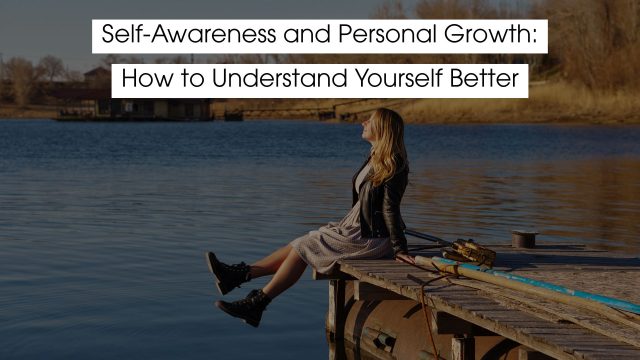
Self-awareness is the foundation of personal growth. It is the ability to recognize your thoughts, observe your emotions, understand your behaviors, and identify the patterns that shape your life. When you know yourself deeply — your strengths, weaknesses, triggers, desires, motivations, and fears — you gain the clarity needed to create meaningful and lasting change.
In today’s fast-paced world, many people move through life on autopilot. They react instead of reflect, repeat habits without questioning them, and struggle to understand why they feel stuck or overwhelmed. Developing self-awareness breaks that cycle, allowing you to become the conscious creator of your life rather than a passive participant.
This article explores the connection between self-awareness and personal growth, explains how understanding yourself leads to emotional and mental transformation, and offers practical daily tools to help you strengthen this life-changing skill.
What Is Self-Awareness?
Self-awareness is the ability to:
- Notice your thoughts without judging them
- Understand your emotional reactions
- Recognize your strengths and areas for improvement
- Observe how your behavior affects others
- Know your values, needs, and internal motivations
It means understanding not just what you do, but why you do it.
It is the first step toward emotional intelligence and the root of all personal development.
There are two forms of self-awareness:
1. Internal Self-Awareness
This is the deep understanding of your emotions, thoughts, beliefs, personality traits, and triggers. It’s your ability to observe your inner world clearly.
2. External Self-Awareness
This is how aware you are of how others perceive you. It includes being conscious of your tone, reactions, energy, and the impact you have on people around you.
Balanced self-awareness includes both — knowing yourself internally and understanding how you show up in the world.
Why Self-Awareness Matters for Personal Growth
Self-awareness is the cornerstone of genuine personal development. You cannot improve what you cannot see, and you cannot change what you do not understand.
Here’s how self-awareness accelerates your personal growth:
1. You Make Better Decisions
When you understand your values and needs, decision-making becomes clearer and more aligned.
2. You Break Negative Patterns
Self-awareness helps you recognize self-sabotaging behaviors such as procrastination, people-pleasing, avoidance, or perfectionism — and replace them with healthier habits.
3. You Manage Your Emotions Effectively
Instead of being controlled by emotions, you learn to respond with intention.
4. You Strengthen Relationships
Being aware of your communication style and emotional triggers helps you build healthier and more supportive connections.
5. You Build Confidence and Authenticity
When you know who you are, you stop comparing yourself to others and start owning your identity.
Signs You Have Strong Self-Awareness
You likely have good self-awareness if you:
- Reflect before responding
- Notice your emotions as they arise
- Understand what drains or energizes you
- Can admit mistakes without shame
- Set healthy boundaries
- Ask deeper questions about your behavior
- Take responsibility instead of blaming
If these don’t feel familiar yet — that’s okay.
Self-awareness is a skill you build over time.
How to Strengthen Your Self-Awareness (Daily Practices)
Developing self-awareness doesn’t require huge changes. It grows through small, consistent practices that help you observe your inner world with clarity.
Below are powerful methods to improve self-awareness and support your personal growth:
1. Start the Day With a Self-Check-In
Before checking your phone or jumping into tasks, pause and ask:
- What am I feeling right now?
- What do I need today?
- What intention do I want to set?
This simple practice helps you stay grounded and aligned throughout the day.
2. Journal for 3–5 Minutes
You don’t need long entries. Short reflections help you:
- Understand emotional triggers
- Notice recurring thoughts
- Track personal growth
- Release mental clutter
Prompts to try:
- “What emotion stood out today?”
- “What am I avoiding and why?”
- “What drained or energized me?”
3. Practice Mindfulness or Stillness
Mindfulness helps you observe your thoughts instead of being consumed by them.
Even 2–5 minutes of quiet breathing can increase self-awareness dramatically.
This builds emotional regulation and reduces impulsive reactions.
4. Notice Your Triggers
Triggers often reveal the parts of you that need healing or attention.
Ask yourself:
- Why did that moment upset me?
- What past experience does this connect to?
- What belief did it activate?
Understanding your triggers leads to emotional mastery.
5. Ask for Honest Feedback
We all have blind spots.
Asking trusted friends or colleagues:
- “How do I come across?”
- “What strengths do you see in me?”
- “What habits might be holding me back?”
This expands your external self-awareness and supports your growth.
6. Observe Your Patterns
Pay attention to repetitive behaviors such as:
- The situations that make you anxious
- The people who drain your energy
- The habits you fall back on when stressed
- The things that consistently make you happy
Patterns point to what needs change, healing, or reinforcement.
7. End the Day With Reflection
Before sleeping, ask:
- What did I learn about myself today?
- What am I proud of today?
- What do I want to improve tomorrow?
Reflection transforms daily experiences into personal growth.
Common Barriers to Self-Awareness
Many people struggle with self-awareness due to:
- Fear of facing uncomfortable truths
- Childhood environments where emotions weren’t discussed
- Overthinking instead of observing
- Constant busyness with no time for reflection
- Pressure to please others or avoid conflict
Becoming aware of these barriers helps you begin overcoming them.
How Self-Awareness Transforms Your Life
When you commit to building self-awareness, everything begins to shift:
- You gain emotional clarity
- You break old patterns
- You create healthier relationships
- You make confident decisions
- You develop resilience
- You live with intention
- You grow authentically
Self-awareness is not just a personal development tool — it’s a lifelong superpower.
Final Thoughts
Self-awareness is the gateway to personal development, emotional intelligence, and deeper self-understanding. When you take time to notice your thoughts, reflect on your patterns, and understand your emotional landscape, you gain the power to transform your life from the inside out.
You don’t need perfection.
You just need awareness — and the willingness to grow from it.
Sources & Further Reading
Books on Self-Awareness & Personal Development
- Emotional Intelligence 2.0 by Travis Bradberry & Jean Greaves
- The Power of Now by Eckhart Tolle
- Atomic Habits by James Clear
- Insight: The Surprising Truth About How Others See Us, How We See Ourselves, by Tasha Eurich
- The Untethered Soul by Michael A. Singer
Online Learning Resources
- Coursera – Courses on personal development, mindfulness, and emotional intelligence
- Mindful.org – Articles and practices for awareness and emotional clarity
- Verywell Mind – Evidence-based resources on self-improvement and psychology
How to Develop Self-Awareness – Improvement Pill
https://www.youtube.com/watch?v=H94H8XrLZbQ
Breaks down the concept of self-awareness and teaches practical ways to observe your thoughts and emotions.
The Power of Self-Awareness | 8 Tips to Improve Your Self-Awareness
https://www.youtube.com/watch?v=73aYA3fjeyM
Actionable techniques for enhancing self-awareness that support personal growth and emotional intelligence.
What Is Self-Awareness and Why Does It Matter? – Big Think
https://www.youtube.com/watch?v=0r5tqvJczOQ
Explains the importance of self-awareness from a psychological perspective and how it impacts choices and fulfillment.
How Self-Awareness Changes Everything – School of Life
https://www.youtube.com/watch?v=0cztPwGseh0
A thoughtful discussion on how greater self-understanding influences relationships, decisions, and life satisfaction.
The Psychology of Self-Awareness – Dr. Jordan B. Peterson
https://www.youtube.com/watch?v=Kqj2g1J0fq4
Explores the psychological layers of self-awareness and how understanding yourself deeply supports growth.
How to Train Your Brain to Be More Aware (Mindfulness Practice)
https://www.youtube.com/watch?v=i-Oa1bwvs-0
Guided practice to improve present moment awareness — a key skill for building self-awareness.
About the Author
David A. Caren is the creator of Emotional Optimization™ – helping high-performing professionals rewire emotional patterns for clarity, calm, and success.
Book a Free Consultation
What is self-awareness in personal development?
Self-awareness in personal development is the ability to understand your thoughts, emotions, behaviors, motivations, and patterns. It involves recognizing how you respond to situations, why you react a certain way, and how your internal world influences your decisions. It is the foundation for emotional intelligence and long-term personal growth.
Why is self-awareness important for personal growth?
Self-awareness is essential because you cannot change what you do not understand. When you develop self-awareness, you gain clarity about your strengths, weaknesses, triggers, values, and goals. This helps you make better decisions, improve emotional regulation, build healthier relationships, and create habits that align with your true self.
How can I become more self-aware on a daily basis?
You can strengthen self-awareness through small daily practices such as journaling, mindfulness, self-reflection questions, meditation, tracking emotional triggers, and observing your thoughts without judgment. Even 5–10 minutes a day can create significant change over time.
What are the signs that I need to improve my self-awareness?
Some common signs include repeating the same mistakes, feeling stuck in your personal development, struggling to understand your emotions, reacting impulsively, or having ongoing conflict in relationships. Lack of clarity about your goals or identity can also indicate that you need deeper self-awareness.
How does self-awareness improve emotional intelligence?
Emotional intelligence begins with understanding your own emotions. Self-awareness helps you recognize emotional patterns, identify triggers, and respond rather than react. This leads to better communication, empathy, stress management, and stronger relationships — all key components of emotional intelligence.

Emotional Optimization as a Personal Development Tool: How to Create Sustainable Growth
Emotional optimization is a powerful personal development tool that helps you create sustainable growth by working with your emotions instead…

Emotional Intelligence and Anxiety: How Awareness Reduces Stress
Emotional intelligence plays a powerful role in reducing anxiety by increasing emotional awareness and self-regulation. When you learn to recognize…

What Successful People Do Differently Every Day (Daily Habits That Drive Success)
Successful people achieve more by focusing on consistent daily habits rather than relying on motivation. Through discipline, planning, and continuous…

How to Stop Procrastination and Take Action Immediately (Proven Strategies That Work)
Procrastination is driven by avoidance and fear, not laziness. By breaking tasks into small steps, taking immediate action, and removing…

What Is Self-Discipline and Why It Matters: The Foundation of Success and Personal Growth
Self-discipline is the ability to stay committed to your goals, even when motivation fades. By developing consistent habits, strengthening self-control,…

How to Transform Your Life One Day at a Time: Small Daily Changes That Lead to Extraordinary Results
Transform Your Life One Day at a Time: Transforming your life doesn’t happen overnight, it happens one day at a…