Table of Contents
- Why Setbacks Are Essential for Personal Development
- What Having a “Growth Mindset” Actually Means
- The Growth Mindset: Turning Failure Into Feedback
- Common Setbacks That Lead to Growth
- How to Turn Setbacks Into Growth Opportunities
- The Role of Emotional Intelligence in Overcoming Setbacks
- Why Setbacks Often Lead to Breakthroughs
- Practical Daily Habits to Build Growth Through Challenges
- Final Thoughts: Your Setbacks Are Part of Your Story
- Sources & Further Reading
- About the Author
- Book a Free Consultation
Setbacks are an unavoidable part of life. Whether it’s a failed project, a missed opportunity, or a personal disappointment, moments of struggle can feel discouraging and even defeating. But what if setbacks weren’t signs of failure—what if they were powerful tools for personal development?
In this article, we’ll explore how setbacks can become catalysts for growth, resilience, and self-discovery. You’ll learn practical strategies to reframe challenges, strengthen your mindset, and turn obstacles into stepping stones toward success.
Why Setbacks Are Essential for Personal Development
Personal development isn’t built during moments of comfort—it’s forged during moments of adversity. Setbacks push you out of your comfort zone and force you to reassess your beliefs, habits, and goals.
Here’s why setbacks are essential for growth:
- They reveal blind spots and areas for improvement
- They build emotional resilience and mental strength
- They encourage adaptability and problem-solving
- They deepen self-awareness and emotional intelligence
- They foster long-term confidence through experience
Every challenge carries a lesson. The key is learning how to recognize and use it.
What Having a “Growth Mindset” Actually Means
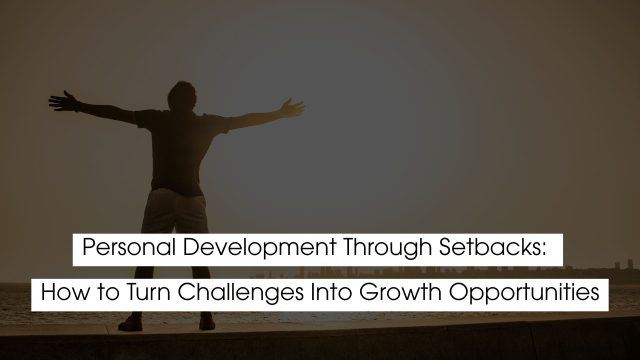
The Growth Mindset: Turning Failure Into Feedback
A growth mindset—the belief that abilities can be developed through effort—plays a crucial role in how you respond to setbacks.
When you adopt a growth mindset:
- You see failure as feedback, not a verdict
- You focus on learning instead of blaming
- You view effort as progress, not proof of inadequacy
Instead of asking “Why did this happen to me?”, you begin asking:
- What can I learn from this?
- How can this make me stronger?
- What’s the next best step forward?
This shift in perspective is foundational to personal development.
Common Setbacks That Lead to Growth
Many of the most impactful growth moments stem from challenges such as:
Career Setbacks
Job rejections, missed promotions, or burnout often push people to reassess their values and career paths—leading to more aligned work.
Relationship Challenges
Conflict, breakups, or misunderstandings can deepen emotional awareness and improve communication skills.
Personal Failures
Missed goals or poor decisions can highlight limiting beliefs and spark lasting self-improvement.
Emotional Struggles
Stress, anxiety, and self-doubt often serve as signals that change or healing is needed.
Each of these experiences, while uncomfortable, holds powerful opportunities for transformation.
How to Turn Setbacks Into Growth Opportunities
1. Pause and Acknowledge What Happened
Avoid suppressing emotions or rushing into solutions. Take time to acknowledge what you’re feeling without judgment.
2. Reflect With Purpose
Ask reflective questions such as:
- What did this experience teach me?
- What patterns am I noticing?
- What would I do differently next time?
Journaling or coaching conversations can be especially helpful here.
3. Reframe the Narrative
Instead of viewing setbacks as personal failures, reframe them as part of your development journey. Growth often requires discomfort.
4. Identify the Lesson
Every setback carries a lesson—whether it’s about boundaries, preparation, mindset, or resilience.
5. Take Aligned Action
Use what you’ve learned to make intentional changes. Even small steps forward rebuild confidence and momentum.
The Role of Emotional Intelligence in Overcoming Setbacks
Emotional intelligence (EQ) allows you to:
- Recognize emotional triggers
- Manage stress and frustration
- Respond thoughtfully instead of reacting impulsively
- Stay motivated during difficult periods
High emotional intelligence transforms setbacks into learning experiences rather than emotional roadblocks.
Why Setbacks Often Lead to Breakthroughs
Many successful people credit their growth to moments of failure rather than success. Setbacks:
- Clarify what truly matters
- Build resilience and mental toughness
- Encourage innovation and creativity
- Strengthen self-trust
Growth doesn’t happen despite setbacks—it happens because of them.
Practical Daily Habits to Build Growth Through Challenges
- Daily reflection: Write one lesson learned each day
- Mindfulness practices: Stay present instead of ruminating
- Self-compassion: Treat yourself with patience and kindness
- Goal reassessment: Adjust goals based on new insights
- Support systems: Seek coaching, mentorship, or community
Consistency in these habits builds long-term personal development.
Final Thoughts: Your Setbacks Are Part of Your Story
Setbacks do not define your worth—they refine your character. When you embrace challenges as opportunities for growth, you unlock a deeper level of resilience, clarity, and confidence.
Personal development isn’t about avoiding difficulty—it’s about learning how to rise stronger each time you face it.
Sources & Further Reading
- Dweck, C. S. (2006). Mindset: The New Psychology of Success.
A foundational book explaining the growth mindset and how challenges and failures contribute to long-term success. - Duckworth, A. (2016). Grit: The Power of Passion and Perseverance.
Explores how perseverance and resilience play a greater role in success than talent alone. - Brown, B. (2012). Daring Greatly.
A powerful exploration of vulnerability, courage, and how setbacks help us grow emotionally and personally. - American Psychological Association – Resilience Guide
https://www.apa.org/topics/resilience
Evidence-based strategies for building resilience and adapting to adversity. - Harvard Business Review – Learning From Failure
https://hbr.org
Articles on how setbacks fuel innovation, leadership growth, and emotional intelligence. - Carol Dweck – Stanford University Research
https://www.stanford.edu
Research-backed insights on mindset and behavioral change. - Positive Psychology Center – University of Pennsylvania
https://ppc.sas.upenn.edu
Resources on well-being, resilience, and post-adversity growth. - Psychology Today – Personal Growth & Resilience
https://www.psychologytoday.com
Articles exploring emotional strength, self-awareness, and overcoming challenges.
About the Author
David A. Caren is the creator of Emotional Optimization™ – helping high-performing professionals rewire emotional patterns for clarity, calm, and success.
Book a Free Consultation
Why do setbacks feel so discouraging?
Setbacks often trigger fear, self-doubt, or disappointment because they challenge our expectations and sense of control. Emotionally, they can feel like failure—but in reality, they are a normal and necessary part of growth. How you interpret a setback determines whether it becomes a stopping point or a stepping stone.
How can setbacks lead to personal growth?
Setbacks create opportunities for self-reflection, resilience, and learning. They reveal weaknesses, clarify priorities, and push you to develop new skills or perspectives. Many people experience their greatest growth after facing adversity.
What mindset helps turn challenges into opportunities?
A growth mindset is key. This mindset views mistakes as learning experiences rather than personal failures. Instead of asking, “Why did this happen to me?” try asking, “What can this teach me?”
How long does it take to recover from a setback?
There’s no fixed timeline. Recovery depends on the situation, emotional resilience, and support system. What matters most is taking consistent, small steps forward rather than rushing the process.
Can setbacks improve emotional intelligence?
Yes. Navigating setbacks strengthens emotional awareness, emotional regulation, and empathy. Over time, this improves decision-making, stress management, and relationships—key components of emotional intelligence.
Emotional Burnout: Signs, Causes, and How to Recover When Your Mind Feels Exhausted
Emotional burnout occurs when prolonged stress drains your mental and emotional energy. Recognizing the early signs—such as emotional exhaustion, irritability,…

Decision Fatigue and Burnout: The Silent Path to Mental Exhaustion
Decision fatigue is a hidden contributor to burnout. When individuals make too many decisions without rest, mental energy declines, leading…
Emotional Intelligence: The Hidden Skill That Drives Personal Growth
Drives Personal Growth: Emotional intelligence is the hidden skill behind personal growth. By improving self-awareness, emotional control, and empathy, you…
Perfectionism and Burnout: How Perfectionism Leads to Chronic Stress and Emotional Exhaustion
Perfectionism can quietly lead to burnout by creating constant pressure, self-criticism, and unrealistic expectations. Understanding the link between perfectionism and…
Overthinking and Burnout: The Hidden Link Between Mental Overload and Emotional Exhaustion
Overthinking can silently lead to burnout by keeping the brain in a constant state of mental activity. Understanding the link…
Chronic Stress and Burnout: How Long-Term Stress Turns Into Emotional Exhaustion
Chronic stress can gradually evolve into burnout when the brain and body remain under constant pressure without adequate recovery. Recognizing…