Table of Contents
- Daniel Goleman Introduces Emotional Intelligence | Big Think
- What Is Emotional Intelligence?
- What Are Healthy Boundaries?
- The Connection Between Emotional Intelligence and Boundaries
- Signs You Need Stronger Emotional Boundaries
- How Emotional Intelligence Helps You Set Healthy Boundaries
- How to Set Healthy Boundaries Using Emotional Intelligence
- The Benefits of Healthy Emotional Boundaries
- Emotional Intelligence in Relationships and Work
- Final Thoughts
- Sources & Further Reading
- About the Author
- Book a Free Consultation
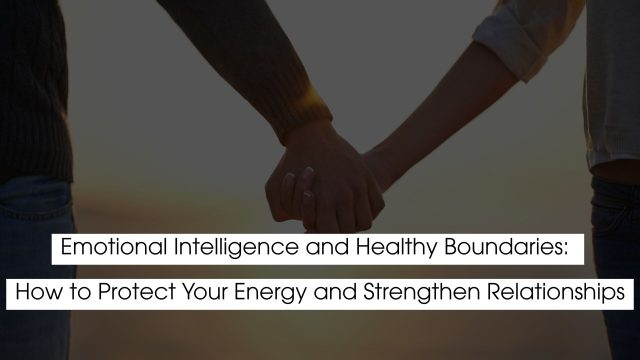
Emotional intelligence is the foundation of healthy relationships, self-respect, and personal well-being. One of the most powerful ways emotional intelligence shows up in daily life is through healthy boundaries. Without clear boundaries, people often experience burnout, resentment, anxiety, and emotional exhaustion.
In this article, we’ll explore how emotional intelligence and healthy boundaries work together, why boundaries are essential for mental health, and how you can start setting limits that protect your energy, without guilt or fear.
Daniel Goleman Introduces Emotional Intelligence | Big Think
What Is Emotional Intelligence?
Emotional intelligence (EQ) is the ability to recognize, understand, manage, and respond to emotions, both your own and others’. It consists of five core components:
- Self-awareness
- Self-regulation
- Motivation
- Empathy
- Social skills
When these skills are developed, you gain greater control over your reactions, improve communication, and build stronger personal and professional relationships.
What Are Healthy Boundaries?
Healthy boundaries are limits you set to protect your emotional, mental, and physical well-being. They define:
- What behavior you accept or reject
- How much time and energy you give others
- What responsibilities belong to you and what don’t
Boundaries aren’t about pushing people away. They’re about creating respectful, balanced relationships where both parties feel safe and valued.
The Connection Between Emotional Intelligence and Boundaries
Emotional intelligence allows you to recognize when a boundary is needed and communicate it effectively. Without EQ, people often:
- Say yes when they want to say no
- Feel guilty for prioritizing themselves
- Avoid conflict at the expense of their well-being
- Absorb other people’s emotions
With strong emotional intelligence, you can set boundaries calmly, clearly, and confidently, without anger or defensiveness.
Signs You Need Stronger Emotional Boundaries
You may need healthier boundaries if you:
- Feel drained after conversations or interactions
- Struggle to say no
- Feel responsible for others’ emotions
- Experience resentment or burnout
- Avoid conflict even when something feels wrong
These are signals your emotional energy is being overextended.
How Emotional Intelligence Helps You Set Healthy Boundaries
1. Self-Awareness Helps You Recognize Your Limits
Emotional intelligence begins with awareness. When you understand your emotions, you can identify what makes you uncomfortable, overwhelmed, or stressed, clear signs that a boundary is needed.
2. Self-Regulation Prevents Emotional Overreactions
Instead of reacting emotionally, emotionally intelligent people respond thoughtfully. This allows you to express boundaries calmly rather than out of frustration or guilt.
3. Empathy Helps You Communicate With Respect
EQ helps you consider others’ feelings while still honoring your own. You can be compassionate without sacrificing your needs.
4. Confidence Strengthens Boundary Enforcement
When you trust your emotions and values, you’re less likely to backtrack or overexplain. Healthy boundaries become easier to maintain.
How to Set Healthy Boundaries Using Emotional Intelligence
1. Identify Your Emotional Triggers
Pay attention to moments when you feel:
- Drained
- Anxious
- Resentful
- Overwhelmed
These emotions often signal crossed boundaries.
2. Get Clear on Your Needs
Ask yourself:
- What do I need more of?
- What drains my energy?
- What feels unfair or overwhelming?
Clarity makes communication easier.
3. Communicate Calmly and Clearly
Use “I” statements:
- “I need time to recharge after work.”
- “I’m not able to take on that responsibility right now.”
- “I value our relationship, but I need better balance.”
4. Let Go of Guilt
Setting boundaries does not make you selfish, it makes you emotionally healthy. People who respect you will respect your limits.
5. Be Consistent
Boundaries only work when reinforced. Inconsistency invites confusion and emotional exhaustion.
The Benefits of Healthy Emotional Boundaries
When emotional intelligence and boundaries work together, you experience:
- Less stress and burnout
- Stronger self-respect
- Healthier relationships
- Better communication
- Improved emotional well-being
- Increased confidence and clarity
You stop living reactively and start living intentionally.
Emotional Intelligence in Relationships and Work
In Relationships
Healthy boundaries prevent emotional dependency, improve communication, and create mutual respect.
In the Workplace
Emotionally intelligent boundaries help prevent burnout, reduce conflict, and improve productivity, especially for leaders and professionals.
Final Thoughts
Emotional intelligence is not just about understanding emotions, it’s about using that awareness to create a healthier life. When you develop emotional intelligence, setting boundaries becomes natural, empowering, and freeing.
Healthy boundaries don’t push people away.
They teach others how to treat you.
And most importantly, they allow you to protect your peace while building stronger, more meaningful connections.
Sources & Further Reading
- Goleman, Daniel. Emotional Intelligence: Why It Can Matter More Than IQ. Bantam Books.
– A foundational book explaining emotional intelligence and its impact on relationships, leadership, and personal growth. - Brown, Brené. Daring Greatly. Gotham Books.
– Explores vulnerability, boundaries, and emotional courage in personal and professional life. - Cloud, Henry & Townsend, John. Boundaries: When to Say Yes, How to Say No to Take Control of Your Life. Zondervan.
– A practical guide to setting healthy emotional and relational boundaries. - American Psychological Association (APA)
https://www.apa.org
– Research-based articles on emotional regulation, stress management, and emotional well-being. - Harvard Business Review – Emotional Intelligence Collection
https://hbr.org
– Insightful articles on emotional intelligence in leadership, communication, and workplace dynamics. - Greater Good Science Center – UC Berkeley
https://greatergood.berkeley.edu
– Evidence-based resources on empathy, emotional awareness, and healthy relationships. - Mayer, Salovey & Caruso (2004)
Emotional Intelligence: Theory, Findings, and Implications
– Academic research on emotional intelligence and emotional processing.
About the Author
David A. Caren is the creator of Emotional Optimization™ – helping high-performing professionals rewire emotional patterns for clarity, calm, and success.
Book a Free Consultation
What is emotional intelligence?
Emotional intelligence (EQ) is the ability to recognize, understand, manage, and respond to your own emotions while also understanding the emotions of others. It includes self-awareness, self-regulation, empathy, motivation, and social skills.
How does emotional intelligence help with setting boundaries?
Emotional intelligence helps you recognize when your limits are being crossed, understand why you feel uncomfortable, and communicate boundaries calmly and confidently without guilt or fear of conflict.
Why are healthy boundaries important for emotional well-being?
Healthy boundaries protect your energy, reduce stress, prevent burnout, and improve relationships. They allow you to maintain self-respect while fostering mutual respect with others.
What are signs that I need stronger emotional boundaries?
Common signs include feeling overwhelmed, resentful, emotionally drained, anxious about saying no, or constantly putting others’ needs before your own at the expense of your well-being.
Can emotional intelligence help with people-pleasing behavior?
Yes. Emotional intelligence increases self-awareness and confidence, helping you recognize people-pleasing patterns and replace them with healthier communication and boundary-setting habits.

How to Transform Your Life One Day at a Time: Small Daily Changes That Lead to Extraordinary Results
Transform Your Life One Day at a Time: Transforming your life doesn’t happen overnight, it happens one day at a…


How to Develop Unbreakable Self-Discipline: The Ultimate Guide to Building Mental Strength and Consistency
Developing unbreakable self-discipline isn’t about relying on endless motivation or willpower. It’s about building consistent habits, keeping promises to yourself,…
How to Strengthen Your Willpower Every Day: Practical Strategies for Better Self-Control
Strengthening your willpower starts with small, intentional decisions. By reducing distractions, practicing delayed gratification, building supportive routines, and keeping promises…

Personal Development: The Growth Mindset Formula, How to Rewire Your Brain for Success
Personal development begins with one powerful belief: you can improve. The growth mindset formula teaches you how to rewire your…
Personal Development: Why Overthinking Is Holding You Back (And How to Stop)
Overthinking feels safe, but it quietly steals your momentum, confidence, and clarity. The more you analyze, the less you act….
How Stop Negative Self-Talk Permanently
Negative self-talk is not permanent, it is a learned pattern that can be rewired. Through awareness, cognitive restructuring, and self-compassion,…