Table of Contents
- 12 traits emotionally intelligent people share (You can learn them) | Daniel Goleman for Big Think+
- What Is Emotional Optimization?
- Why Regulating Emotions During Stress Is So Important
- Common Emotional Triggers in Stressful Situations
- How to Regulate Your Emotions in Stressful Situations
- Emotional Optimization in Work and Relationships
- Long-Term Benefits of Emotional Optimization
- Final Thoughts: Emotional Optimization Is a Life Skill
- Sources & Further Reading
Stress is unavoidable—but how you respond to it determines your emotional health, decision-making, and overall quality of life. Emotional optimization is the skill of understanding, managing, and channeling your emotions effectively, especially during high-pressure moments. When practiced consistently, it allows you to stay calm, think clearly, and respond rather than react.
In this article, we’ll explore what emotional optimization really means, why emotional regulation is essential during stress, and practical strategies you can use to stay grounded—even in the most overwhelming situations.
12 traits emotionally intelligent people share (You can learn them) | Daniel Goleman for Big Think+
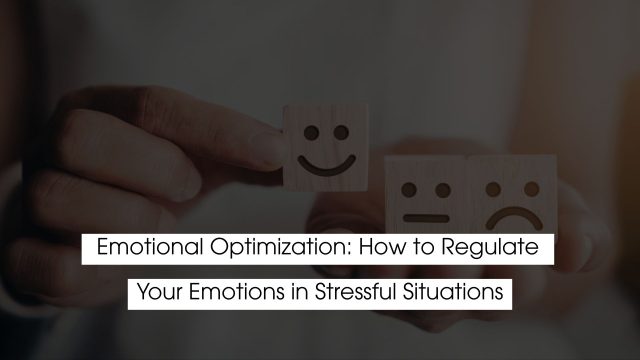
What Is Emotional Optimization?
Emotional optimization is the ability to recognize emotional responses, regulate them intentionally, and use emotional awareness to make better decisions. Unlike suppressing emotions, emotional optimization encourages healthy processing and conscious control.
It combines:
- Emotional intelligence
- Self-awareness
- Stress management
- Cognitive reframing
- Mind-body regulation
When optimized, emotions become tools rather than obstacles.
Why Regulating Emotions During Stress Is So Important
Stress triggers the body’s fight-or-flight response, flooding the system with cortisol and adrenaline. Without emotional regulation, this can lead to:
- Emotional outbursts
- Poor decision-making
- Anxiety or burnout
- Strained relationships
- Reduced productivity
Emotional optimization helps you:
✔ Stay calm under pressure
✔ Think clearly and logically
✔ Communicate effectively
✔ Protect your mental health
✔ Recover faster from stress
Common Emotional Triggers in Stressful Situations
Understanding your triggers is the first step to regulating them. Common emotional stressors include:
- Heavy workloads or deadlines
- Conflict or confrontation
- Fear of failure or judgment
- Lack of control or uncertainty
- Personal or financial pressure
Recognizing these triggers allows you to respond with awareness instead of reaction.
How to Regulate Your Emotions in Stressful Situations
1. Practice Emotional Awareness
Before you can regulate emotions, you must identify them.
Ask yourself:
- What am I feeling right now?
- Where do I feel this emotion in my body?
- What triggered this response?
Labeling emotions reduces their intensity and increases self-control.
2. Use Controlled Breathing
Breathing is one of the fastest ways to regulate emotional responses.
Try this:
- Inhale for 4 seconds
- Hold for 4 seconds
- Exhale for 6 seconds
This signals your nervous system to shift from stress mode to calm.
3. Pause Before Reacting
When emotions run high, pause before responding.
A short pause:
- Prevents impulsive reactions
- Allows logical thinking
- Creates emotional space
Even a 10-second pause can completely change your response.
4. Reframe the Situation
Emotional optimization involves changing how you interpret stress.
Instead of: “This is overwhelming.”
Try: “This is challenging, but I can handle it step by step.”
Reframing builds emotional resilience and reduces anxiety.
5. Ground Yourself in the Present Moment
Use grounding techniques to calm racing thoughts:
- Name 5 things you can see
- 4 things you can touch
- 3 things you can hear
- 2 things you can smell
- 1 thing you can taste
This brings your focus back to the present and reduces emotional overload.
6. Strengthen Emotional Regulation Through Daily Habits
Consistency builds emotional strength. Helpful habits include:
- Journaling emotions daily
- Mindfulness or meditation
- Physical movement
- Adequate sleep
- Healthy boundaries
These habits train your nervous system to remain stable under pressure.
Emotional Optimization in Work and Relationships
At Work:
- Respond calmly to criticism
- Manage deadlines without burnout
- Communicate clearly under pressure
- Improve leadership presence
In Relationships:
- Reduce emotional reactions
- Improve conflict resolution
- Build emotional safety
- Strengthen connection and trust
Long-Term Benefits of Emotional Optimization
When you master emotional regulation, you experience:
✔ Improved mental clarity
✔ Stronger relationships
✔ Reduced anxiety and stress
✔ Better decision-making
✔ Increased emotional resilience
✔ Greater self-confidence
Emotional optimization doesn’t remove challenges—it equips you to handle them with strength and balance.
Final Thoughts: Emotional Optimization Is a Life Skill
Learning how to regulate your emotions during stressful situations is one of the most valuable skills you can develop. Emotional optimization empowers you to stay calm, grounded, and intentional—no matter what life throws your way.
With practice, emotional regulation becomes second nature, helping you lead a more balanced, confident, and emotionally intelligent life.
Sources & Further Reading
- Goleman, Daniel. Emotional Intelligence: Why It Can Matter More Than IQ. Bantam Books.
– A foundational book explaining emotional intelligence and its impact on relationships, leadership, and personal growth. - Brown, Brené. Daring Greatly. Gotham Books.
– Explores vulnerability, boundaries, and emotional courage in personal and professional life. - Cloud, Henry & Townsend, John. Boundaries: When to Say Yes, How to Say No to Take Control of Your Life. Zondervan.
– A practical guide to setting healthy emotional and relational boundaries. - American Psychological Association (APA)
https://www.apa.org
– Research-based articles on emotional regulation, stress management, and emotional well-being. - Harvard Business Review – Emotional Intelligence Collection
https://hbr.org
– Insightful articles on emotional intelligence in leadership, communication, and workplace dynamics. - Greater Good Science Center – UC Berkeley
https://greatergood.berkeley.edu
– Evidence-based resources on empathy, emotional awareness, and healthy relationships. - Mayer, Salovey & Caruso (2004)
Emotional Intelligence: Theory, Findings, and Implications
– Academic research on emotional intelligence and emotional processing.
What is emotional optimization?
Emotional optimization is the practice of understanding, managing, and responding to emotions in a healthy and productive way. It goes beyond emotional control by helping you use emotions as information to make better decisions, reduce stress, and improve overall well-being.
How does emotional intelligence help with stress management?
Emotional intelligence helps you recognize stress triggers, regulate emotional reactions, and respond calmly instead of reacting impulsively. This leads to better decision-making, improved relationships, and reduced emotional burnout.
What Successful People Do Differently Every Day (Daily Habits That Drive Success)
Successful people achieve more by focusing on consistent daily habits rather than relying on motivation. Through discipline, planning, and continuous…

How to Stop Procrastination and Take Action Immediately (Proven Strategies That Work)
Procrastination is driven by avoidance and fear, not laziness. By breaking tasks into small steps, taking immediate action, and removing…
What Is Self-Discipline and Why It Matters: The Foundation of Success and Personal Growth
Self-discipline is the ability to stay committed to your goals, even when motivation fades. By developing consistent habits, strengthening self-control,…

How to Transform Your Life One Day at a Time: Small Daily Changes That Lead to Extraordinary Results
Transform Your Life One Day at a Time: Transforming your life doesn’t happen overnight, it happens one day at a…

How to Develop Unbreakable Self-Discipline: The Ultimate Guide to Building Mental Strength and Consistency
Developing unbreakable self-discipline isn’t about relying on endless motivation or willpower. It’s about building consistent habits, keeping promises to yourself,…
How to Strengthen Your Willpower Every Day: Practical Strategies for Better Self-Control
Strengthening your willpower starts with small, intentional decisions. By reducing distractions, practicing delayed gratification, building supportive routines, and keeping promises…