Table of Contents
- What is imposter syndrome and how can you combat it? – Elizabeth Cox
- What Is Imposter Syndrome?
- Understanding the Fear of Failure
- How Imposter Syndrome and Fear of Failure Are Connected
- The Psychological Root of Imposter Syndrome
- Signs You’re Struggling With Imposter Syndrome and Fear of Failure
- How Emotional Intelligence Helps Break the Cycle
- Practical Ways to Overcome Imposter Syndrome and Fear of Failure
- How to Rebuild Confidence Long-Term
- Final Thoughts
- Sources and Further Reading
- About the Author
- Book a Free Consultation
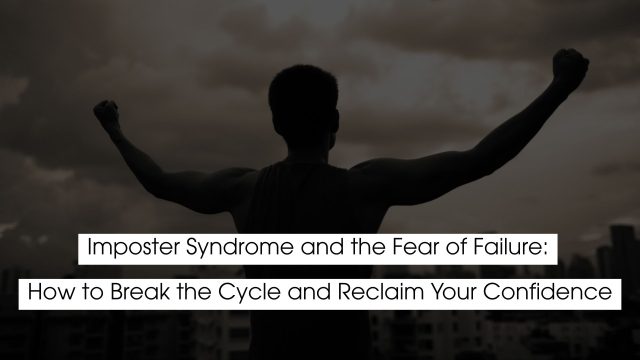
Imposter syndrome and the fear of failure often go hand in hand, silently shaping how we think, act, and limit ourselves. You may appear confident on the outside, yet internally feel like a fraud waiting to be exposed. Every success feels accidental. Every mistake feels catastrophic.
If this sounds familiar, you’re not alone.
Millions of high-achievers, professionals, creatives, and entrepreneurs struggle with imposter syndrome fueled by fear of failure. The good news? These patterns can be understood, managed, and overcome.
In this article, we’ll explore:
- What imposter syndrome really is
- How fear of failure reinforces it
- The psychological roots behind both
- Practical strategies to break free
What is imposter syndrome and how can you combat it? – Elizabeth Cox
What Is Imposter Syndrome?
Imposter syndrome is a psychological pattern where individuals doubt their abilities and feel undeserving of their achievements, despite evidence of competence.
Common thoughts include:
- “I just got lucky.”
- “I’m not as capable as people think.”
- “Soon they’ll realize I don’t belong here.”
While not a formal mental health diagnosis, imposter syndrome is widely recognized in psychology and personal development research.
Understanding the Fear of Failure
The fear of failure is the anxiety or avoidance that comes from the possibility of making mistakes, being judged, or falling short of expectations.
It often shows up as:
- Perfectionism
- Procrastination
- Overworking
- Avoiding new opportunities
- Fear of visibility or leadership
When paired with imposter syndrome, this fear becomes even stronger, creating a cycle that keeps you stuck.
How Imposter Syndrome and Fear of Failure Are Connected
Imposter syndrome and fear of failure reinforce each other in powerful ways:
- Fear of failure fuels self-doubt
You believe failure will confirm you’re “not good enough.” - Self-doubt increases pressure to be perfect
You overwork or avoid taking risks. - Avoidance reinforces imposter beliefs
You never get evidence that you’re capable, because you don’t try. - Success feels undeserved
Even when you succeed, you credit luck instead of skill.
This creates a loop that keeps confidence low and anxiety high.
The Psychological Root of Imposter Syndrome
Imposter syndrome often stems from:
- Early criticism or high expectations
- Comparison culture and social media
- Perfectionist tendencies
- Conditional praise (“You’re good when you succeed”)
- Lack of emotional validation
Your brain learns to associate worth with performance, making failure feel like a threat to identity rather than a normal part of growth.
Signs You’re Struggling With Imposter Syndrome and Fear of Failure
You may be affected if you:
- Constantly downplay achievements
- Feel anxious before new opportunities
- Avoid challenges you might fail at
- Overprepare or procrastinate
- Feel like you don’t belong in your role
- Struggle to accept praise
Recognizing these patterns is the first step toward change.
How Emotional Intelligence Helps Break the Cycle
Emotional intelligence (EQ) plays a powerful role in overcoming imposter syndrome. It helps you:
1. Recognize Emotional Triggers
You learn to identify when fear, not logic, is driving your behavior.
2. Regulate Emotional Responses
Instead of reacting with avoidance or perfectionism, you respond with clarity.
3. Reframe Negative Thinking
You challenge thoughts like:
- “I’m not good enough”
- “I’ll fail and embarrass myself”
4. Build Self-Trust
You begin trusting your experience, effort, and growth.
Practical Ways to Overcome Imposter Syndrome and Fear of Failure
1. Redefine Failure
Failure is feedback, not proof of inadequacy. Every successful person has failed repeatedly.
2. Track Your Wins
Keep a “success log” of achievements, compliments, and milestones to counter self-doubt.
3. Separate Feelings from Facts
Feeling like a fraud does not mean you are one.
4. Practice Self-Compassion
Talk to yourself the way you would encourage a close friend.
5. Take Imperfect Action
Progress builds confidence—not perfection.
6. Normalize Discomfort
Growth feels uncomfortable. That doesn’t mean you’re doing something wrong.
How to Rebuild Confidence Long-Term
- Develop emotional awareness
- Practice reflection instead of self-criticism
- Set realistic expectations
- Celebrate effort, not just outcomes
- Surround yourself with supportive people
- Work with a coach or mentor
Confidence isn’t about eliminating fear, it’s about moving forward despite it.
Final Thoughts
Imposter syndrome and the fear of failure don’t mean you’re incapable, they mean you care about doing well. When you learn to manage your emotions, reframe your thoughts, and take aligned action, you break free from self-doubt and step into your true potential.
You are not behind.
You are not a fraud.
You are growing.
Sources and Further Reading
For readers who want to explore imposter syndrome, emotional intelligence, and the fear of failure more deeply, the following trusted resources offer valuable insights and research-based guidance:
Books
- Clance, P. R., & Imes, S. A. (1978). The Impostor Phenomenon in High Achieving Women. Psychotherapy: Theory, Research & Practice.
- Brown, B. (2018). Dare to Lead. Random House.
- Goleman, D. (2005). Emotional Intelligence: Why It Can Matter More Than IQ. Bantam Books.
- Dweck, C. S. (2006). Mindset: The New Psychology of Success. Random House.
- Neff, K. (2011). Self-Compassion: The Proven Power of Being Kind to Yourself. HarperCollins.
Academic & Research Sources
- American Psychological Association (APA) – Imposter Phenomenon & Self-Efficacy
https://www.apa.org - Harvard Business Review – Articles on imposter syndrome, leadership, and emotional intelligence
https://hbr.org - National Institute of Mental Health – Anxiety, stress, and emotional regulation
https://www.nimh.nih.gov
Online Resources
- Psychology Today – Imposter Syndrome & Fear of Failure
https://www.psychologytoday.com - Greater Good Science Center (UC Berkeley) – Emotional intelligence & resilience
https://greatergood.berkeley.edu - MindTools – Emotional Intelligence and Personal Development
https://www.mindtools.com
Recommended Practices
- Mindfulness and emotional regulation exercises
- Cognitive Behavioral Therapy (CBT) techniques
- Journaling and self-reflection practices
- Coaching or emotional intelligence training programs
About the Author
David A. Caren is the creator of Emotional Optimization™ – helping high-performing professionals rewire emotional patterns for clarity, calm, and success.
Book a Free Consultation
What is imposter syndrome?
Imposter syndrome is a psychological pattern where individuals doubt their abilities and fear being exposed as a fraud, despite evidence of success or competence.
How is imposter syndrome connected to the fear of failure?
Imposter syndrome and fear of failure often reinforce each other. People with imposter syndrome fear that failure will “prove” they are not good enough, which leads to avoidance, perfectionism, or overworking.
Who experiences imposter syndrome the most?
Imposter syndrome is common among high achievers, professionals, entrepreneurs, creatives, and leaders. It frequently affects people who set high standards for themselves or work in competitive environments.
Can imposter syndrome affect mental health?
Yes. When left unaddressed, imposter syndrome can contribute to anxiety, stress, burnout, low self-esteem, and chronic self-doubt.
Is imposter syndrome a mental illness?
No. Imposter syndrome is not a diagnosable mental disorder. It is a mindset pattern that can be changed through self-awareness, emotional intelligence, and intentional mindset work.

How to Transform Your Life One Day at a Time: Small Daily Changes That Lead to Extraordinary Results
Transform Your Life One Day at a Time: Transforming your life doesn’t happen overnight, it happens one day at a…


How to Develop Unbreakable Self-Discipline: The Ultimate Guide to Building Mental Strength and Consistency
Developing unbreakable self-discipline isn’t about relying on endless motivation or willpower. It’s about building consistent habits, keeping promises to yourself,…
How to Strengthen Your Willpower Every Day: Practical Strategies for Better Self-Control
Strengthening your willpower starts with small, intentional decisions. By reducing distractions, practicing delayed gratification, building supportive routines, and keeping promises…
Personal Development: The Growth Mindset Formula, How to Rewire Your Brain for Success
Personal development begins with one powerful belief: you can improve. The growth mindset formula teaches you how to rewire your…
Personal Development: Why Overthinking Is Holding You Back (And How to Stop)
Overthinking feels safe, but it quietly steals your momentum, confidence, and clarity. The more you analyze, the less you act….
How Stop Negative Self-Talk Permanently
Negative self-talk is not permanent, it is a learned pattern that can be rewired. Through awareness, cognitive restructuring, and self-compassion,…