Table of Contents
- Daniel Goleman Introduces Emotional Intelligence | Big Think
- What Is Emotional Intelligence?
- Why Emotional Intelligence Is Critical for Leaders
- How to Develop Emotional Intelligence as a Leader
- The Link Between Emotional Intelligence and Leadership Success
- Final Thoughts: Emotional Intelligence Is the Future of Leadership
- Sources & Further Reading
- About the Author
- Book a Free Consultation
In today’s fast-paced and people-driven workplaces, technical skills alone are no longer enough to lead effectively. The most successful leaders share one powerful trait: emotional intelligence.
Emotional intelligence (EQ) is the ability to understand, manage, and influence emotions, both your own and those of others. Leaders with high emotional intelligence create stronger teams, make better decisions under pressure, and foster trust-driven cultures that thrive long-term.
In this article, we’ll explore why emotional intelligence is essential for leadership, how it impacts performance, and how you can strengthen your emotional intelligence to become a more effective and respected leader.
Daniel Goleman Introduces Emotional Intelligence | Big Think

What Is Emotional Intelligence?
Emotional intelligence refers to the ability to recognize, understand, and manage emotions in yourself and others. Psychologist Daniel Goleman popularized EQ as a key leadership trait, identifying five core components:
- Self-awareness – Understanding your emotions and triggers
- Self-regulation – Managing reactions and staying composed
- Motivation – Staying driven beyond external rewards
- Empathy – Understanding others’ emotions and perspectives
- Social skills – Building strong relationships and communication
Together, these skills allow leaders to navigate challenges with clarity and emotional balance.
Why Emotional Intelligence Is Critical for Leaders
1. Emotionally Intelligent Leaders Build Trust
Trust is the foundation of effective leadership. Leaders who regulate their emotions, listen actively, and respond thoughtfully create safe environments where employees feel valued.
When leaders demonstrate empathy and consistency:
- Teams communicate more openly
- Conflict is resolved faster
- Employee engagement increases
People don’t just follow authority, they follow emotional safety.
2. Better Decision-Making Under Pressure
High-pressure situations often trigger emotional reactions like fear, frustration, or defensiveness. Leaders with strong emotional intelligence can:
- Pause before reacting
- Separate emotions from logic
- Make calm, strategic decisions
This ability prevents impulsive choices and allows leaders to act with clarity, even during crises.
3. Improved Communication and Influence
Emotionally intelligent leaders understand how their words and tone affect others. They know when to motivate, when to listen, and when to give feedback constructively.
This leads to:
- Clearer expectations
- Fewer misunderstandings
- Stronger collaboration
- Higher team morale
Great leaders communicate in ways that inspire, not intimidate.
4. Stronger Team Performance and Engagement
Employees don’t leave companies, they leave poor leadership.
Leaders who practice emotional intelligence:
- Recognize burnout early
- Encourage work-life balance
- Adapt leadership styles to individual needs
- Foster psychological safety
This results in higher retention, better productivity, and healthier workplace culture.
5. Emotional Intelligence Strengthens Conflict Resolution
Conflict is inevitable in leadership. Emotionally intelligent leaders approach conflict with curiosity rather than blame.
They:
- Listen without becoming defensive
- Validate emotions without escalating tension
- Find solutions that respect all parties
This transforms conflict into growth rather than division.
How to Develop Emotional Intelligence as a Leader
1. Practice Self-Awareness Daily
Reflect on your emotional responses:
- What triggered you today?
- How did you react?
- What could you do differently next time?
Journaling or mindfulness can strengthen emotional awareness.
2. Learn to Pause Before Reacting
Create space between emotion and action. A simple breath or pause can prevent emotional outbursts and lead to wiser responses.
3. Seek Feedback from Others
Ask trusted colleagues or mentors how your behavior impacts them. Honest feedback is one of the fastest ways to improve EQ.
4. Strengthen Empathy Skills
Practice active listening:
- Maintain eye contact
- Avoid interrupting
- Validate feelings
Empathy builds loyalty and trust.
5. Commit to Emotional Growth
Like any skill, emotional intelligence improves with consistent effort. Coaching, reflection, and personal development work can significantly elevate leadership capacity.
The Link Between Emotional Intelligence and Leadership Success
Research consistently shows that leaders with high emotional intelligence:
- Perform better under pressure
- Build stronger teams
- Experience less burnout
- Create positive workplace cultures
In fact, studies suggest EQ accounts for up to 90% of the difference between average and high-performing leaders.
Leadership isn’t about control, it’s about connection.
Final Thoughts: Emotional Intelligence Is the Future of Leadership
In a world driven by change, uncertainty, and human connection, emotional intelligence is no longer optional, it’s essential.
Leaders who master their emotions don’t just manage people; they inspire them. By developing self-awareness, empathy, and emotional control, you can lead with confidence, clarity, and lasting impact.
True leadership begins within.
Sources & Further Reading
- Goleman, D. (1995). Emotional Intelligence: Why It Can Matter More Than IQ
A foundational book that introduced emotional intelligence and its impact on leadership and success. - Goleman, D., Boyatzis, R., & McKee, A. (2013). Primal Leadership
Explores how emotional intelligence shapes leadership effectiveness and organizational culture. - Harvard Business Review – Emotional Intelligence Series
https://hbr.org
Research-backed articles on emotional intelligence, leadership, and workplace performance. - American Psychological Association (APA)
https://www.apa.org
Evidence-based insights on emotional regulation, stress management, and leadership psychology. - Mayer, J. D., Salovey, P., & Caruso, D. R. (2004). Emotional Intelligence: Theory, Findings, and Implications
Foundational academic research defining emotional intelligence as a measurable skill. - Center for Creative Leadership (CCL)
https://www.ccl.org
Leadership research emphasizing emotional intelligence as a predictor of leadership success. - Forbes – Leadership & Emotional Intelligence
https://www.forbes.com
Practical leadership insights and case studies on emotional intelligence in modern organizations. - MindTools – Emotional Intelligence in Leadership
https://www.mindtools.com
Practical tools and exercises for developing emotional intelligence at work.
About the Author
David A. Caren is the creator of Emotional Optimization™ – helping high-performing professionals rewire emotional patterns for clarity, calm, and success.
Book a Free Consultation
What is emotional intelligence in leadership?
Emotional intelligence in leadership refers to the ability to understand and manage emotions while effectively guiding and supporting others.
Can emotional intelligence be learned?
Yes. Emotional intelligence can be developed through self-awareness, practice, feedback, and emotional regulation techniques.
Why is emotional intelligence important for managers?
It helps managers communicate effectively, resolve conflicts, motivate employees, and build trust within teams.
How does emotional intelligence improve leadership performance?
It enhances decision-making, reduces stress, improves relationships, and increases team engagement.
Is emotional intelligence more important than IQ for leaders?
In many leadership roles, emotional intelligence is more predictive of success than technical intelligence or IQ.
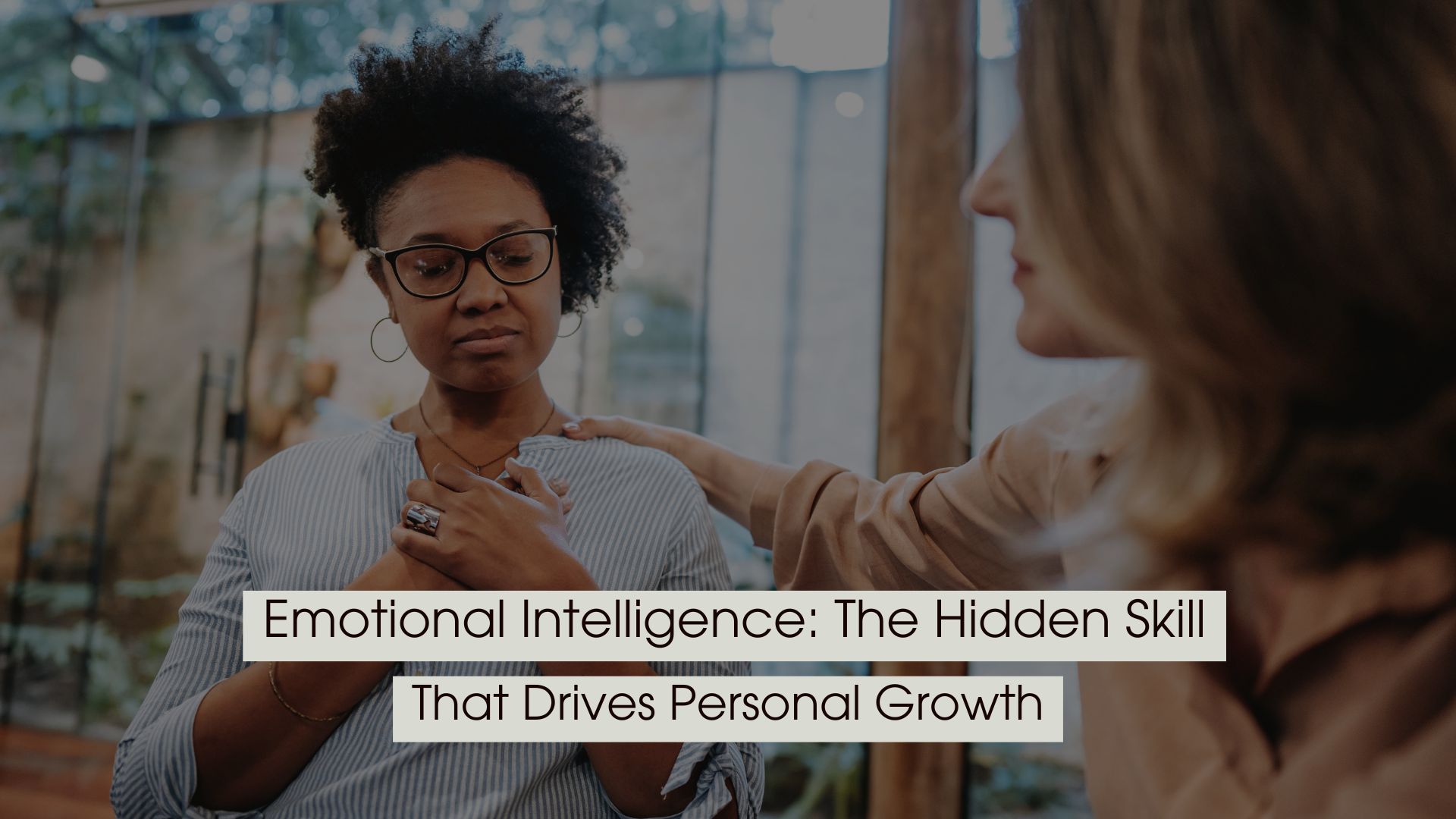
Emotional Intelligence: The Hidden Skill That Drives Personal Growth
Drives Personal Growth: Emotional intelligence is the hidden skill behind personal growth. By improving self-awareness, emotional control, and empathy, you…

Perfectionism and Burnout: How Perfectionism Leads to Chronic Stress and Emotional Exhaustion
Perfectionism can quietly lead to burnout by creating constant pressure, self-criticism, and unrealistic expectations. Understanding the link between perfectionism and…
Overthinking and Burnout: The Hidden Link Between Mental Overload and Emotional Exhaustion
Overthinking can silently lead to burnout by keeping the brain in a constant state of mental activity. Understanding the link…
Chronic Stress and Burnout: How Long-Term Stress Turns Into Emotional Exhaustion
Chronic stress can gradually evolve into burnout when the brain and body remain under constant pressure without adequate recovery. Recognizing…

Workplace Burnout: Why Modern Jobs Are Mentally Draining
Workplace burnout is becoming increasingly common as modern jobs demand constant productivity and connectivity. Understanding the causes of burnout can…

The Science of Rest: Why Your Brain Needs Recovery to Stay Healthy and Productive
In a world that celebrates productivity, hustle, and constant activity, rest is often misunderstood. Many people believe that taking breaks…