Table of Contents
- What is Emotional Intelligence?
- What Is Emotional Intelligence?
- Why Emotional Intelligence Matters at Every Age
- How Emotional Intelligence Develops Over Time
- How to Develop Emotional Intelligence at Any Age
- Benefits of Developing Emotional Intelligence
- Emotional Intelligence and Lifelong Personal Growth
- Final Thoughts: Emotional Intelligence Is a Lifelong Skill
- Sources & Further Reading
- About the Author
- Book a Free Consultation
Many people believe emotional intelligence is something you’re either born with or not, but that couldn’t be further from the truth. Emotional intelligence is a learnable skill that can be developed at any stage of life, regardless of age, background, or experience.
Whether you’re in your 20s navigating career challenges, in your 40s managing leadership responsibilities, or later in life seeking emotional balance, emotional intelligence plays a critical role in personal success, relationships, and mental well-being.
In this article, you’ll learn what emotional intelligence is, why it matters at every age, and how to strengthen it through simple, practical strategies.
What is Emotional Intelligence?
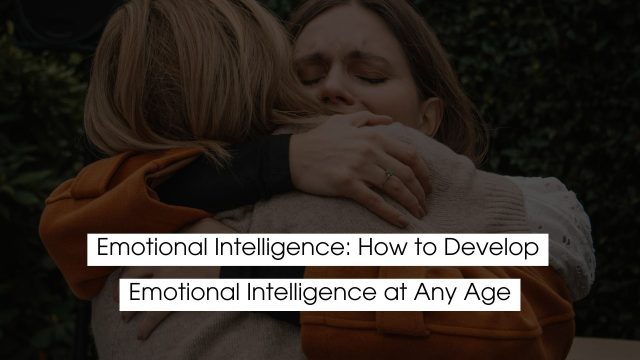
What Is Emotional Intelligence?
Emotional intelligence (EI) is the ability to recognize, understand, manage, and influence emotions, both your own and those of others.
Psychologist Daniel Goleman identified five key components of emotional intelligence:
- Self-awareness – recognizing emotions and triggers
- Self-regulation – managing emotional reactions
- Motivation – staying driven and resilient
- Empathy – understanding others’ emotions
- Social skills – communicating and building relationships
Together, these skills shape how you handle stress, relationships, decision-making, and personal growth.
Why Emotional Intelligence Matters at Every Age
Emotional intelligence is not limited to a specific life stage. In fact, its importance grows as responsibilities and relationships become more complex.
In Early Adulthood
- Helps manage stress and uncertainty
- Improves communication and self-confidence
- Supports career development
In Midlife
- Enhances leadership and emotional resilience
- Improves relationship dynamics
- Helps navigate work-life balance
Later in Life
- Strengthens emotional well-being
- Reduces stress and anxiety
- Improves social connection and self-awareness
No matter your age, emotional intelligence improves quality of life.
How Emotional Intelligence Develops Over Time
Unlike IQ, emotional intelligence continues to grow with experience, reflection, and practice. Life experiences, both positive and challenging, offer opportunities to strengthen emotional awareness and emotional control.
The key is intentional development rather than automatic reaction.
How to Develop Emotional Intelligence at Any Age
1. Build Self-Awareness Through Reflection
Self-awareness is the foundation of emotional intelligence.
Ask yourself:
- What am I feeling right now?
- What triggered this emotion?
- How did I respond?
Journaling or daily reflection helps you recognize emotional patterns and gain clarity.
2. Practice Emotional Regulation
Emotional regulation means managing emotions without suppressing them.
Helpful techniques include:
- Deep breathing
- Pausing before reacting
- Mindfulness or meditation
- Reframing negative thoughts
These practices help you respond thoughtfully instead of emotionally.
3. Strengthen Empathy
Empathy allows you to understand others’ perspectives and emotions.
You can build empathy by:
- Listening without interrupting
- Asking open-ended questions
- Observing body language and tone
- Practicing compassion
Empathy improves relationships and reduces conflict.
4. Improve Communication Skills
Emotional intelligence improves how you communicate.
Focus on:
- Speaking clearly and calmly
- Expressing emotions respectfully
- Listening more than talking
- Being open to feedback
Strong communication reduces misunderstandings and builds trust.
5. Learn from Emotional Triggers
Triggers reveal areas that need healing or growth.
When something upsets you, ask:
- Why did this affect me so strongly?
- What belief or fear is being activated?
- What can I learn from this reaction?
This transforms emotional discomfort into growth.
6. Practice Self-Compassion
Emotional intelligence includes how you treat yourself.
Replace self-criticism with:
- Patience
- Understanding
- Encouragement
Self-compassion reduces anxiety and builds emotional resilience.
Benefits of Developing Emotional Intelligence
When you strengthen emotional intelligence, you experience:
- Better stress management
- Stronger relationships
- Improved decision-making
- Increased confidence
- Greater emotional stability
- Healthier communication
- Enhanced leadership skills
These benefits apply at every age and stage of life.
Emotional Intelligence and Lifelong Personal Growth
Developing emotional intelligence is not about perfection, it’s about progress. As you grow emotionally, you become more aware, adaptable, and grounded.
The ability to understand and manage emotions becomes one of the most valuable skills you can carry throughout your life.
Final Thoughts: Emotional Intelligence Is a Lifelong Skill
No matter your age, emotional intelligence can be developed, strengthened, and refined. With consistent self-awareness, emotional regulation, and empathy, you can improve relationships, reduce stress, and live with greater clarity and confidence.
Emotional intelligence isn’t something you’re born with, it’s something you build, one moment at a time.
Sources & Further Reading
- Goleman, D. (1995). Emotional Intelligence: Why It Can Matter More Than IQ
A foundational book that introduced emotional intelligence and its impact on leadership and success. - Goleman, D., Boyatzis, R., & McKee, A. (2013). Primal Leadership
Explores how emotional intelligence shapes leadership effectiveness and organizational culture. - Harvard Business Review – Emotional Intelligence Series
https://hbr.org
Research-backed articles on emotional intelligence, leadership, and workplace performance. - American Psychological Association (APA)
https://www.apa.org
Evidence-based insights on emotional regulation, stress management, and leadership psychology. - Mayer, J. D., Salovey, P., & Caruso, D. R. (2004). Emotional Intelligence: Theory, Findings, and Implications
Foundational academic research defining emotional intelligence as a measurable skill. - Center for Creative Leadership (CCL)
https://www.ccl.org
Leadership research emphasizing emotional intelligence as a predictor of leadership success. - Forbes – Leadership & Emotional Intelligence
https://www.forbes.com
Practical leadership insights and case studies on emotional intelligence in modern organizations. - MindTools – Emotional Intelligence in Leadership
https://www.mindtools.com
Practical tools and exercises for developing emotional intelligence at work.
About the Author
David A. Caren is the creator of Emotional Optimization™ – helping high-performing professionals rewire emotional patterns for clarity, calm, and success.
Book a Free Consultation
What is emotional intelligence?
Emotional intelligence (EI) is the ability to understand, manage, and express your emotions effectively while also recognizing and responding to the emotions of others. It includes self-awareness, emotional regulation, empathy, motivation, and social skills.
Can emotional intelligence really be developed at any age?
Yes. Emotional intelligence is a learnable skill that can be developed at any stage of life. With self-awareness, reflection, and consistent practice, people of all ages can strengthen their emotional intelligence.
Why is emotional intelligence important for personal growth?
Emotional intelligence helps you manage stress, improve relationships, make better decisions, and increase self-confidence. It allows you to respond thoughtfully instead of reacting emotionally, which supports long-term personal development.
How long does it take to improve emotional intelligence?
You may notice small improvements within a few weeks of consistent practice. However, emotional intelligence develops gradually over time through self-reflection, emotional awareness, and intentional behavior changes.
Can emotional intelligence help reduce stress and anxiety?
Yes. Emotional intelligence helps you recognize emotional triggers, regulate reactions, and manage stress more effectively. This leads to greater emotional balance and reduced anxiety over time.

What Successful People Do Differently Every Day (Daily Habits That Drive Success)
Successful people achieve more by focusing on consistent daily habits rather than relying on motivation. Through discipline, planning, and continuous…


How to Stop Procrastination and Take Action Immediately (Proven Strategies That Work)
Procrastination is driven by avoidance and fear, not laziness. By breaking tasks into small steps, taking immediate action, and removing…
What Is Self-Discipline and Why It Matters: The Foundation of Success and Personal Growth
Self-discipline is the ability to stay committed to your goals, even when motivation fades. By developing consistent habits, strengthening self-control,…

How to Transform Your Life One Day at a Time: Small Daily Changes That Lead to Extraordinary Results
Transform Your Life One Day at a Time: Transforming your life doesn’t happen overnight, it happens one day at a…

How to Develop Unbreakable Self-Discipline: The Ultimate Guide to Building Mental Strength and Consistency
Developing unbreakable self-discipline isn’t about relying on endless motivation or willpower. It’s about building consistent habits, keeping promises to yourself,…
How to Strengthen Your Willpower Every Day: Practical Strategies for Better Self-Control
Strengthening your willpower starts with small, intentional decisions. By reducing distractions, practicing delayed gratification, building supportive routines, and keeping promises…