Strong relationships are one of the most important foundations of a fulfilling life.
Whether personal or professional, healthy relationships can improve:
- Happiness
- Mental health
- Emotional resilience
- Career success
- Overall well-being
But strong relationships do not happen automatically.
They are built through trust, communication, and emotional intelligence.
Many relationships struggle not because people do not care, but because they lack the skills to connect effectively.
Psychologist Daniel Goleman emphasizes that emotional intelligence plays a major role in how we build and maintain healthy relationships.
In this article, you’ll learn how to build stronger relationships that are deeper, healthier, and more meaningful.
Why Relationships Matter
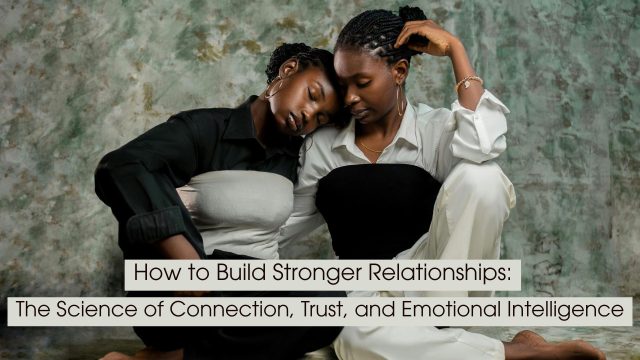
Why Relationships Matter So Much
Humans are naturally social.
Healthy relationships provide:
- Support
- Belonging
- Emotional safety
- Growth opportunities
Strong relationships improve both emotional and physical health.
The Core Foundations of Strong Relationships
1. Trust
Trust is the backbone of any strong relationship.
Without trust, connection weakens.
Trust is built through:
- Honesty
- Consistency
- Reliability
- Integrity
2. Communication
Strong relationships require clear, honest communication.
Poor communication often leads to:
- Misunderstandings
- Conflict
- Emotional distance
Healthy communication builds clarity.
3. Emotional Intelligence
Emotional intelligence helps you:
- Understand your emotions
- Recognize others’ feelings
- Respond thoughtfully
- Manage conflict better
The Psychology Behind Strong Relationships
Psychologist John Gottman found that healthy relationships are shaped by emotional responsiveness, communication patterns, and trust.
Relationships often thrive when people feel: Seen, heard, and understood.
How to Build Stronger Relationships
1. Practice Active Listening
Most people listen to respond.
Strong communicators listen to understand.
Active listening means:
- Paying full attention
- Asking thoughtful questions
- Avoiding interruptions
Listening builds trust.
2. Improve Emotional Awareness
Understand your own emotional patterns.
Ask yourself:
- Am I reacting emotionally?
- Am I communicating clearly?
Self-awareness improves connection.
3. Show Empathy
Empathy means understanding another person’s perspective.
It does not always mean agreement.
It means connection.
4. Communicate Honestly
Honesty builds emotional safety.
Avoid passive-aggression or unclear expectations.
Say what you mean respectfully.
5. Be Consistent
Trust grows through repeated reliability.
People feel safe when your actions match your words.
6. Handle Conflict Constructively
Conflict is normal.
The key is not avoiding conflict—it’s handling it well.
Healthy conflict includes:
- Calm discussion
- Respect
- Problem-solving
- Emotional control
7. Appreciate and Acknowledge Others
Feeling valued strengthens relationships.
Simple appreciation can deepen connection.
Habits That Damage Relationships
Poor Communication
Assumptions and silence create distance.
Emotional Reactivity
Overreactions can weaken trust.
Inconsistency
Unreliable behavior damages security.
Lack of Empathy
Disconnection often starts when people feel misunderstood.
The Power of Vulnerability
Strong relationships often require openness.
Vulnerability builds closeness when paired with trust.
This means:
- Sharing honestly
- Expressing needs
- Being emotionally real
Vulnerability can strengthen connection.
Personal Growth and Relationships
Healthy relationships often improve when you improve yourself.
Building:
- Self-awareness
- Emotional regulation
- Communication skills
…can transform how you connect with others.
Common Mistakes to Avoid
Trying to “Win” Every Conflict
Connection matters more than ego.
Assuming Instead of Asking
Clarify instead of guessing.
Avoiding Difficult Conversations
Healthy communication requires courage.
Neglecting Appreciation
People thrive when they feel valued.
Building Stronger Professional Relationships
The same principles apply professionally:
- Respect
- Reliability
- Clear communication
- Emotional intelligence
Strong workplace relationships can improve leadership and success.
Why Strong Relationships Change Your Life
Better relationships can lead to:
- Greater happiness
- Emotional resilience
- Better teamwork
- Increased trust
- Stronger mental health
Relationships shape your life experience.
Conclusion
Building stronger relationships is not about perfection.
It is about connection.
Through trust, communication, empathy, and emotional intelligence, you can create relationships that are healthier, deeper, and more meaningful.
Personal development is not only about growing yourself, it’s also about learning how to connect with others more effectively.
Because at the end of the day, stronger relationships often create a stronger life.
Sources and Further Reading
- Daniel Goleman – Emotional intelligence
- John Gottman – Relationship science
- Goleman, D. (1995). Emotional Intelligence
- Gottman, J. – Relationship Research
About the Author
David A. Caren is the creator of Emotional Optimization™ – helping high-performing professionals rewire emotional patterns for clarity, calm, and success.
Book a Free Consultation
What is the key to strong relationships?
Trust, communication, and emotional intelligence.
How do I improve communication?
Practice active listening, honesty, and empathy.
Why do relationships fail?
Often due to poor communication, lack of trust, or emotional disconnection.
Can emotional intelligence improve relationships?
Yes. It strengthens understanding and conflict management.
How do I build trust?
Be honest, reliable, and consistent.
Emotional Intelligence and Anxiety: How Awareness Reduces Stress
Emotional intelligence plays a powerful role in reducing anxiety by increasing emotional awareness and self-regulation. When you learn to recognize…


What Successful People Do Differently Every Day (Daily Habits That Drive Success)
Successful people achieve more by focusing on consistent daily habits rather than relying on motivation. Through discipline, planning, and continuous…

How to Stop Procrastination and Take Action Immediately (Proven Strategies That Work)
Procrastination is driven by avoidance and fear, not laziness. By breaking tasks into small steps, taking immediate action, and removing…

What Is Self-Discipline and Why It Matters: The Foundation of Success and Personal Growth
Self-discipline is the ability to stay committed to your goals, even when motivation fades. By developing consistent habits, strengthening self-control,…

How to Transform Your Life One Day at a Time: Small Daily Changes That Lead to Extraordinary Results
Transform Your Life One Day at a Time: Transforming your life doesn’t happen overnight, it happens one day at a…

How to Develop Unbreakable Self-Discipline: The Ultimate Guide to Building Mental Strength and Consistency
Developing unbreakable self-discipline isn’t about relying on endless motivation or willpower. It’s about building consistent habits, keeping promises to yourself,…