Table of Contents
- The Science of Emotion Regulation: How Our Brains Process Emotions
- What Is Emotional Regulation?
- Why Emotional Regulation Matters
- The Brain Science Behind Emotional Regulation
- The Emotional Regulation Process
- Common Emotional Regulation Strategies
- 1. Cognitive Reappraisal
- 2. Mindfulness
- 3. Response Modulation
- 4. Situation Selection
- How to Improve Emotional Regulation
- 1. Build Emotional Awareness
- 2. Name the Emotion
- 3. Pause Before Acting
- 4. Reframe Your Thoughts
- 5. Strengthen Physical Regulation
- Emotional Regulation vs Emotional Suppression
- Common Mistakes to Avoid
- Why Emotional Regulation Builds Mental Strength
- The Link Between Emotional Regulation and Emotional Intelligence
- Conclusion
- Sources and Further Reading
Emotions are powerful.
They shape your decisions, relationships, behavior, and overall quality of life.
But emotions themselves are not the problem. The real challenge is how you regulate them.
When emotions go unmanaged, they can lead to:
- Overreactions
- Anxiety
- Stress
- Poor decisions
- Damaged relationships
When regulated effectively, emotions can become a source of strength, clarity, and resilience.
This is where emotional regulation comes in.
Psychologist James Gross, a leading researcher in emotional regulation, explains that emotional regulation is the process of influencing how we experience and express emotions.
In this article, you’ll explore the science behind emotional regulation, and how to use it to improve your life.
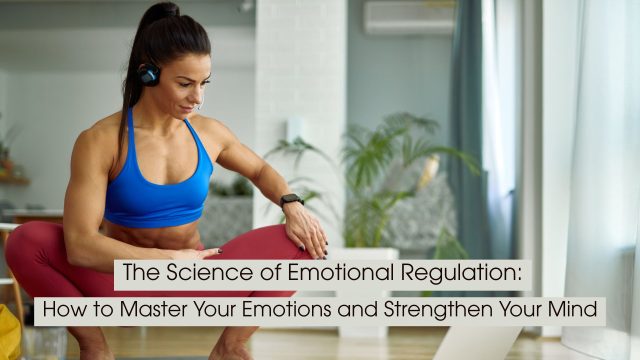
The Science of Emotion Regulation: How Our Brains Process Emotions
What Is Emotional Regulation?
Emotional regulation is your ability to:
- Recognize emotions
- Understand them
- Manage how you respond
- Adjust emotional intensity when needed
It does not mean suppressing emotions.
It means managing them effectively.
Why Emotional Regulation Matters
Strong emotional regulation helps you:
- Stay calm under pressure
- Make better decisions
- Reduce stress
- Improve relationships
- Increase resilience
Without regulation, emotions can control behavior.
The Brain Science Behind Emotional Regulation
Your brain processes emotions primarily through the amygdala, which detects emotional significance and potential threats.
The prefrontal cortex helps regulate those emotional responses through logic and self-control.
In simple terms:
Amygdala:
- Fast emotional reactions
- Survival-focused
Prefrontal Cortex:
- Rational thinking
- Decision-making
- Self-control
When stress is high, the amygdala can override logical thinking.
Emotional regulation strengthens your ability to pause and re-engage rational control.
The Emotional Regulation Process
Psychologist James Gross identifies key stages of emotional regulation: Situation → Attention → Interpretation → Response
How you interpret a situation often shapes your emotional outcome.
Common Emotional Regulation Strategies
1. Cognitive Reappraisal
This means changing how you think about a situation.
Example:
Instead of:
- “This is a disaster”
Think:
- “This is difficult, but manageable”
This can significantly reduce emotional intensity.
2. Mindfulness
Mindfulness helps you observe emotions without being overwhelmed by them.
You notice emotions without automatically reacting.
3. Response Modulation
This involves controlling your behavior even when emotions are strong.
Examples:
- Pausing before speaking
- Deep breathing
- Walking away briefly
4. Situation Selection
Sometimes emotional regulation starts with avoiding unnecessary emotional triggers.
Example:
Reducing exposure to toxic environments.
How to Improve Emotional Regulation
1. Build Emotional Awareness
Ask yourself:
- What am I feeling?
- Why do I feel this?
Awareness is foundational.
2. Name the Emotion
Research suggests naming emotions can reduce their power.
3. Pause Before Acting
The pause interrupts impulsive behavior.
4. Reframe Your Thoughts
Your interpretation shapes your emotional state.
5. Strengthen Physical Regulation
Sleep, movement, and stress management improve emotional stability.
Emotional Regulation vs Emotional Suppression
Regulation:
- Healthy awareness
- Intentional response
- Long-term resilience
Suppression:
- Avoidance
- Emotional buildup
- Increased stress
Suppressing emotions often makes them stronger later.
Common Mistakes to Avoid
Ignoring Emotions
Unacknowledged emotions can intensify.
Reacting Immediately
Fast reactions often bypass rational thought.
Overidentifying With Emotions
Feeling anger does not mean you must act angrily.
Expecting Perfection
Emotional regulation is a skill—not instant mastery.
Why Emotional Regulation Builds Mental Strength
Emotionally regulated people are often better at:
- Leadership
- Communication
- Stress management
- Confidence
- Personal growth
They do not eliminate emotion.
They master it.
The Link Between Emotional Regulation and Emotional Intelligence
Psychologist Daniel Goleman identifies self-regulation as a core component of emotional intelligence.
This means emotional regulation is essential for both personal and professional success.
Conclusion
The science of emotional regulation shows that your emotions do not have to control you.
By understanding how your brain processes emotions and practicing awareness, reframing, and self-regulation, you can build stronger emotional resilience.
Personal development is not about suppressing emotion.
It’s about learning how to work with it wisely.
Because when you master emotional regulation, you strengthen your mind, improve your decisions, and transform your life.
Sources and Further Reading
- James Gross – Emotion regulation research
- Daniel Goleman – Emotional intelligence
- Gross, J. – Emotion Regulation Theory
- Goleman, D. (1995). Emotional Intelligence
About the Author
David A. Caren is the creator of Emotional Optimization™ – helping high-performing professionals rewire emotional patterns for clarity, calm, and success.
Book a Free Consultation
What is emotional regulation?
The ability to manage and respond to emotions effectively.
Is emotional regulation the same as suppressing emotions?
No. Regulation involves awareness and control, not avoidance.
Can emotional regulation be improved?
Yes. Through practice, mindfulness, and self-awareness.
Why do emotions feel overwhelming?
Stress can activate fast emotional brain responses.
What is the best emotional regulation strategy?
Awareness + pause + cognitive reframing.
Emotional Intelligence and Anxiety: How Awareness Reduces Stress
Emotional intelligence plays a powerful role in reducing anxiety by increasing emotional awareness and self-regulation. When you learn to recognize…


What Successful People Do Differently Every Day (Daily Habits That Drive Success)
Successful people achieve more by focusing on consistent daily habits rather than relying on motivation. Through discipline, planning, and continuous…
How to Stop Procrastination and Take Action Immediately (Proven Strategies That Work)
Procrastination is driven by avoidance and fear, not laziness. By breaking tasks into small steps, taking immediate action, and removing…

What Is Self-Discipline and Why It Matters: The Foundation of Success and Personal Growth
Self-discipline is the ability to stay committed to your goals, even when motivation fades. By developing consistent habits, strengthening self-control,…

How to Transform Your Life One Day at a Time: Small Daily Changes That Lead to Extraordinary Results
Transform Your Life One Day at a Time: Transforming your life doesn’t happen overnight, it happens one day at a…

How to Develop Unbreakable Self-Discipline: The Ultimate Guide to Building Mental Strength and Consistency
Developing unbreakable self-discipline isn’t about relying on endless motivation or willpower. It’s about building consistent habits, keeping promises to yourself,…