Table of Contents
- Self-Awareness for Personal Growth: Emotional Intelligence Explained | Personal Mastery
- What Is Emotional Intelligence (EQ)?
- Why Emotional Intelligence Matters in Personal Development
- 1. EQ Builds Self-Awareness: the Foundation of Growth
- 2. EQ Strengthens Decision-Making Skills
- 3. EQ Improves Communication & Relationships
- 4. EQ Helps Manage Stress & Build Resilience
- 5. EQ Enhances Professional & Leadership Skills
- Signs You Are Developing Emotional Intelligence
- How to Strengthen Emotional Intelligence: Practical Steps
- 1. Practice Self-Reflection Daily
- 2. Use Breathwork to Regulate Emotions
- 3. Strengthen Your Empathy
- 4. Improve Your Listening Skills
- 5. Explore Your Triggers
- 6. Practice Healthy Boundaries
- 7. Journal Your Emotions
- 8. Ask for Feedback
- Emotional Intelligence Is a Lifelong Journey
- Final Thoughts
- Sources & Further Reading
- About the Author
- Book a Free Consultation
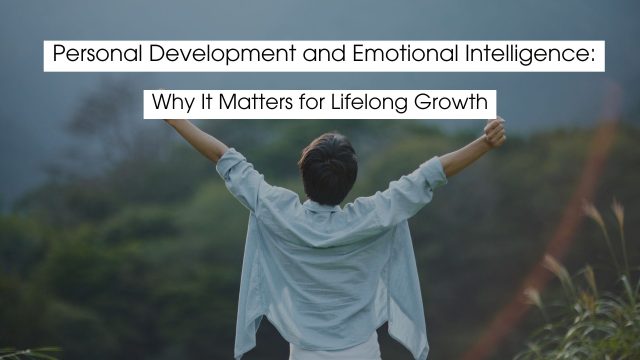
In the fast-paced world we live in, personal development is no longer optional, it’s essential. And at the heart of meaningful personal growth lies one powerful skill: Emotional Intelligence (EQ). While talent, knowledge, and strategy matter, it’s your ability to understand, manage, and use your emotions effectively that determines how you navigate life, relationships, and challenges.
This article explores how emotional intelligence fuels personal development, why it matters for lifelong growth, and practical steps you can start using today.
Self-Awareness for Personal Growth: Emotional Intelligence Explained | Personal Mastery
What Is Emotional Intelligence (EQ)?
Emotional intelligence is the ability to:
- Recognize your emotions
- Understand what they mean
- Manage your responses
- Navigate social situations with awareness and empathy
High EQ doesn’t mean avoiding emotions, it means mastering them so they work for you, not against you.
Emotional intelligence involves four key components:
- Self-awareness
- Self-management
- Social awareness (empathy)
- Relationship management
When these areas grow, your personal development expands too.
Why Emotional Intelligence Matters in Personal Development
Personal development is ultimately about becoming the best version of yourself emotionally, mentally, relationally, and professionally. EQ supports every part of that journey.
Here’s why emotional intelligence is essential for lifelong growth:
1. EQ Builds Self-Awareness: the Foundation of Growth
Self-awareness allows you to understand your strengths, weaknesses, triggers, and emotional patterns. Without it, personal development is guesswork.
High EQ helps you:
- Notice your reactions
- Understand why you behave certain ways
- Reflect before you respond
- Make healthier decisions
Self-awareness empowers real transformation.
2. EQ Strengthens Decision-Making Skills
Emotionally intelligent people make better decisions because they don’t let impulsive emotions take the lead. Instead, they blend logic with emotional understanding.
This leads to:
- Clearer priorities
- Less overthinking
- Smarter long-term choices
- Reduced regret
Good decisions shape successful personal development.
3. EQ Improves Communication & Relationships
Growth isn’t just internal, it affects how you connect with others.
Strong emotional intelligence improves your ability to:
- Communicate your needs
- Listen with empathy
- Resolve conflict calmly
- Build deeper relationships
- Set boundaries without guilt
Relationships thrive when emotional intelligence is present.
4. EQ Helps Manage Stress & Build Resilience
Life will always include challenges. EQ determines how you face them.
Emotionally intelligent people:
- Stay grounded during stress
- Regulate their nervous system
- Bounce back from setbacks faster
- View problems with a solution mindset
EQ is a powerful tool for resilience and emotional stability.
5. EQ Enhances Professional & Leadership Skills
In careers, emotional intelligence is often more important than technical skill. Leaders with high EQ inspire trust, communicate clearly, and create emotionally safe environments.
Benefits include:
- Better teamwork
- Higher productivity
- Stronger leadership presence
- Improved conflict management
- Increased career opportunities
Personal growth and professional success go hand in hand.
Signs You Are Developing Emotional Intelligence
You may be building emotional intelligence if you notice:
- You pause before reacting
- You understand your triggers
- You take responsibility for your emotions
- You communicate more clearly
- You handle conflict calmly
- You’re more empathetic toward others
- You set boundaries confidently
These subtle shifts lead to meaningful long-term growth.
How to Strengthen Emotional Intelligence: Practical Steps
Here are simple daily practices to build EQ and support lifelong personal development:
1. Practice Self-Reflection Daily
Spend 5–10 minutes reviewing your day:
- What emotions came up?
- What triggered them?
- How did you respond?
- What could you do differently next time?
Self-reflection builds emotional clarity.
2. Use Breathwork to Regulate Emotions
Breathing techniques calm your nervous system so you can respond instead of react.
Try: 4-4-6 breathing (inhale 4, hold 4, exhale 6).
3. Strengthen Your Empathy
Practice seeing situations from another person’s perspective.
Ask yourself:
“How might they be feeling?“
This builds compassion and emotional awareness.
4. Improve Your Listening Skills
Listen to understand, not to respond.
This creates better communication and deeper connections.
5. Explore Your Triggers
Triggers reveal unresolved emotions.
Instead of avoiding them, get curious:
- Why does this affect me?
- Where does this belief come from?
Understanding triggers grows EQ faster than anything else.
6. Practice Healthy Boundaries
Boundaries are self-respect in action.
Emotional intelligence helps you communicate them confidently without guilt.
7. Journal Your Emotions
Writing helps you identify patterns, release tension, and gain clarity.
8. Ask for Feedback
Trusted people can help you see blind spots you may not notice.
Emotional Intelligence Is a Lifelong Journey
There is no finish line when it comes to personal development or emotional intelligence. Growth happens gradually through reflection, awareness, and everyday choices.
As your emotional intelligence strengthens, you’ll notice:
- Better relationships
- Greater emotional balance
- Improved confidence
- Clearer communication
- Stronger leadership
- A deeper sense of fulfillment
EQ is not just a skill, it’s a lifelong advantage.
Final Thoughts
Personal development and emotional intelligence are deeply connected. When you learn to understand your emotions, manage your reactions, and navigate relationships with empathy, every area of your life improves.
You don’t need to master everything at once.
You just need to start with awareness and grow from there.
Sources & Further Reading
- Goleman, Daniel. Emotional Intelligence (Bantam Books, 1995). – The foundational book that introduced emotional intelligence to mainstream psychology and personal development research.
- Salovey, P., & Mayer, J. D. (1990). Emotional Intelligence. Imagination, Cognition and Personality. The original scientific paper that defined emotional intelligence.
- Harvard Business Review – “The Business Case for Emotional Intelligence – Research showing how EQ impacts leadership, decision-making, and workplace performance.
- Psychology Today – Emotional Intelligence Articles & Insights.
- “Improve Your Emotional Intelligence (EQ)” – TEDx Talks A powerful talk explaining what emotional intelligence is and how it shapes your communication, confidence, and relationships.
- The Power of Emotional Intelligence” – Daniel Goleman Daniel Goleman breaks down why EQ matters more than IQ in leadership, work, and personal life.
- “How to Master Your Emotions” – The School of Life A simple animated guide on understanding emotional triggers and building emotional balance.
About the Author
David A. Caren is the creator of Emotional Optimization™ – helping high-performing professionals rewire emotional patterns for clarity, calm, and success.
Book a Free Consultation
What is emotional intelligence (EQ)?
Emotional intelligence is the ability to recognize, understand, and manage your own emotions, as well as perceive and influence the emotions of others. It’s a critical skill for personal growth, decision-making, and healthy relationships.
How does emotional intelligence relate to personal development?
Emotional intelligence is foundational to personal development. It enhances self-awareness, resilience, empathy, communication, and decision-making — all key components of growth in life and career.
Can emotional intelligence be learned or improved?
Yes. Emotional intelligence is not fixed. With practice in self-awareness, self-regulation, empathy, and social skills, anyone can develop and strengthen their EQ over time.
What are simple ways to improve emotional intelligence?
Practice daily self-reflection
Use mindfulness or breathing exercises to manage emotions
Develop empathy by understanding others’ perspectives
Improve communication and active listening skills
Set healthy boundaries and practice assertiveness
Why is emotional intelligence important in professional life?
High EQ improves teamwork, leadership, problem-solving, and conflict resolution. It helps individuals navigate workplace challenges effectively and build stronger relationships with colleagues and clients.
Emotional Intelligence and Anxiety: How Awareness Reduces Stress
Emotional intelligence plays a powerful role in reducing anxiety by increasing emotional awareness and self-regulation. When you learn to recognize…


What Successful People Do Differently Every Day (Daily Habits That Drive Success)
Successful people achieve more by focusing on consistent daily habits rather than relying on motivation. Through discipline, planning, and continuous…

How to Stop Procrastination and Take Action Immediately (Proven Strategies That Work)
Procrastination is driven by avoidance and fear, not laziness. By breaking tasks into small steps, taking immediate action, and removing…
What Is Self-Discipline and Why It Matters: The Foundation of Success and Personal Growth
Self-discipline is the ability to stay committed to your goals, even when motivation fades. By developing consistent habits, strengthening self-control,…

How to Transform Your Life One Day at a Time: Small Daily Changes That Lead to Extraordinary Results
Transform Your Life One Day at a Time: Transforming your life doesn’t happen overnight, it happens one day at a…

How to Develop Unbreakable Self-Discipline: The Ultimate Guide to Building Mental Strength and Consistency
Developing unbreakable self-discipline isn’t about relying on endless motivation or willpower. It’s about building consistent habits, keeping promises to yourself,…