Table of Contents
- Understanding Emotional Intelligence in Leadership
- Daniel Goleman Introduces Emotional Intelligence | Big Think
- Beyond EQ: What Is Emotional Optimization?
- The Ripple Effect: How Leaders’ Emotions Shape Teams
- Emotional Connection: The Foundation of Team Strength
- Mastering Emotional Resilience During Pressure and Conflict
- How to Develop Emotional Optimization as a Leader
- The Future of Leadership: Emotionally Optimized and Human-Centered
- The Takeaway: Lead from the Inside Out
- Sources & Further Learning:
- About the Author
- Book a Free Consultation
- Frequently Asked Questions (FAQ)
- Q1: How does emotional intelligence directly impact the performance of my team?
- Q2: What does it mean to be an “emotionally optimized” leader?
- Q3: Can emotional optimization help reduce conflict and misunderstandings in my team?
- Q4: How quickly can leaders see improvements after working on emotional optimization?
- Q5: Is emotional optimization suitable for leaders who already consider themselves emotionally intelligent?
- Q6: Who is Emotional Optimization for?
- Q7: What happens during a Free Consultation with David?
- Q8: How quickly can I start seeing results with Emotional Optimization?
- Q9: What’s the next step if I’m curious but not ready for coaching yet?
- Explore More Articles on Emotional Optimization
Think about the best leader you’ve ever had – not just the smartest or most skilled, but the one who made you feel valued, inspired, and capable. What set them apart wasn’t just strategy or experience – it was emotional intelligence.
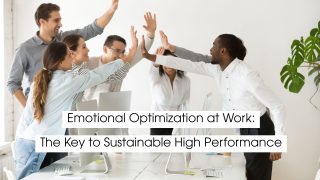
In today’s world of remote work, rapid change, and constant pressure, logic alone isn’t enough to lead effectively. Great leaders need more than IQ – they need Emotional Optimization: the ability to align emotions with purpose, stay calm under stress, and inspire stability in others.
This article explores how emotionally optimized leaders use emotional intelligence to build stronger, more resilient, and high-performing teams.
Understanding Emotional Intelligence in Leadership
Emotional Intelligence (EQ) is the ability to understand and manage emotions – both yours and others’. According to Daniel Goleman, EQ has five key components:
- Self-Awareness – Recognizing your emotions and understanding their effect on others.
- Self-Regulation – Staying composed and adaptable during challenges.
- Motivation – Remaining purpose-driven even in stressful situations.
- Empathy – Understanding team members’ emotions and perspectives.
- Social Skills – Communicating, influencing, and resolving conflicts with ease.
Leaders with high EQ foster trust, collaboration, and creativity. They create safe environments where people feel confident to speak up and contribute their best ideas.
Daniel Goleman Introduces Emotional Intelligence | Big Think
Beyond EQ: What Is Emotional Optimization?
Emotional Optimization takes emotional intelligence one step further. It’s not just about understanding emotions – it’s about aligning them with performance and purpose.
For example:
- EQ helps you notice when you’re stressed.
- Emotional Optimization helps you channel that stress into focus and determination.
Emotionally optimized leaders transform emotional energy into action. They turn anxiety into clarity, frustration into problem-solving, and fear into fuel for innovation.
This is what keeps teams motivated even in uncertainty – a leader whose calm presence becomes their anchor.
The Ripple Effect: How Leaders’ Emotions Shape Teams
Emotions are contagious. When leaders are anxious or frustrated, the entire team feels it. Conversely, when leaders project calm confidence, teams mirror that energy.
Research from Harvard Business Review found that leaders’ emotional tone directly influences team performance. In emotionally balanced teams, communication improves, burnout decreases, and collaboration thrives.
Emotionally optimized leaders use emotional awareness strategically — they model emotional balance, turning workplaces into spaces of stability rather than stress.
Emotional Connection: The Foundation of Team Strength
People don’t quit jobs – they quit leaders who make them feel unseen or undervalued. Emotional connection changes that.
When leaders take time to truly listen, acknowledge effort, and show empathy, it builds psychological safety – the number one predictor of high-performing teams according to Google’s Project Aristotle.
Here’s how emotionally optimized leaders strengthen connection:
- They practice active listening without judgment.
- They lead conversations with empathy instead of authority.
- They validate emotions before offering solutions.
When people feel understood, they give more – not because they’re told to, but because they want to.
Mastering Emotional Resilience During Pressure and Conflict
Every leader faces moments of tension – tight deadlines, disagreements, crises. The difference between chaos and growth lies in how they respond.
Emotionally optimized leaders stay grounded by practicing emotional regulation. Instead of reacting impulsively, they pause, breathe, and reframe. This response creates a ripple effect – the team mirrors their calm.
In emotionally intelligent leadership:
- Conflict becomes communication.
- Stress becomes strategy.
- Setbacks become stepping stones.
That’s how great leaders turn challenges into opportunities for collective strength.
How to Develop Emotional Optimization as a Leader
You don’t need to be born emotionally intelligent – it’s a skill you can train. Start small and stay consistent with these practices:
- Start the Day with Emotional Check-Ins
Ask yourself, “What am I feeling, and how might that affect my leadership today?”
Awareness is the first step toward mastery. - Use the Pause Technique
When you feel triggered, pause for five seconds before responding. This shifts your brain from reaction to reflection. - Cultivate Empathy Daily
Practice understanding someone’s perspective before forming an opinion. It builds trust faster than logic ever could. - Reframe Negative Emotions
Instead of resisting frustration or fear, ask what message it’s sending. Emotional reframing turns emotion into insight. - Work with a Coach
Emotional blind spots are hard to see from the inside. Coaches like David A. Caren, who specializes in Emotional Optimization for Leaders, can help you develop deeper awareness, resilience, and alignment.
The Future of Leadership: Emotionally Optimized and Human-Centered
As AI, automation, and global uncertainty reshape workplaces, the most valuable leadership skill will be emotional.
Emotionally optimized leaders represent the next evolution of leadership – they combine intelligence with intuition, logic with empathy, and performance with purpose.
They don’t just lead teams – they elevate them.
Their presence creates a ripple of emotional safety, clarity, and commitment.
The future doesn’t belong to the loudest or the smartest leaders. It belongs to those who can master their emotions, connect authentically, and inspire others to do the same.
The Takeaway: Lead from the Inside Out
At the core of effective leadership is emotional alignment. When leaders master their inner world, they transform their outer impact.
If you’re ready to lead with clarity, confidence, and compassion – start with your emotions.
Book a free Emotional Optimization consultation with David A. Caren to discover how to strengthen your leadership presence and create high-performing teams that thrive under your guidance.
Sources & Further Learning:
- Simon Sinek – “Why Good Leaders Make You Feel Safe” (TED Talk) Learn how trust and empathy are the true foundations of leadership.
- Brené Brown – “The Power of Vulnerability” (TED Talk) Explore how authentic connection and vulnerability create stronger teams.
- Daniel Goleman – “Emotional Intelligence: Why It Can Matter More Than IQ” (YouTube, Big Think) Goleman breaks down the power of emotional intelligence in leadership and success.
- Harvard Business Review – “Emotional Intelligence Has 12 Elements. Which Do You Need to Work On?” A practical guide to understanding the emotional skills that drive leadership effectiveness.
- MindTools – “Developing Emotional Intelligence” Hands-on exercises to boost EQ in personal and professional contexts.
About the Author
David A. Caren is the creator of Emotional Optimization™ – helping high-performing professionals rewire emotional patterns for clarity, calm, and success.
Book a Free Consultation
Frequently Asked Questions (FAQ)
Q1: How does emotional intelligence directly impact the performance of my team?
Emotional intelligence (EI) influences communication, trust, conflict resolution, and motivation—core elements of high-performing teams. When leaders are emotionally optimized, they respond instead of react, creating psychological safety and clarity.
Q2: What does it mean to be an “emotionally optimized” leader?
An emotionally optimized leader is someone who understands their emotional triggers, regulates stress effectively, and leads from grounded clarity rather than overwhelm. It’s about aligning your inner state with the leadership results you want.
Q3: Can emotional optimization help reduce conflict and misunderstandings in my team?
Absolutely. EI-based leadership lowers reactive behavior, improves communication, and helps leaders navigate tension with calm authority. This reduces unnecessary conflict and creates healthier team dynamics.
Q4: How quickly can leaders see improvements after working on emotional optimization?
Leaders often notice shifts in awareness and clarity within the first few sessions—especially in how they handle stress, make decisions, and communicate. The deeper transformations build over time as new emotional patterns take root.
Q5: Is emotional optimization suitable for leaders who already consider themselves emotionally intelligent?
Yes. Emotional intelligence is the foundation; emotional optimization is the upgrade. Many high-achieving leaders are self-aware, but still carry emotional blocks or stress patterns that limit their influence. Optimization helps you fine-tune and elevate your leadership impact.
Q6: Who is Emotional Optimization for?
It’s designed for high-achieving professionals, entrepreneurs, and leaders who want to break free from constant stress, self-doubt, or burnout. If you’re ready to perform at your best without sacrificing your peace, Emotional Optimization™ gives you the tools and awareness to do it.
👉 Book a Free Consultation to see if this approach fits your goals.
Q7: What happens during a Free Consultation with David?
Your 30-minute Free Consultation is a private, judgment-free conversation focused on you. Together, we identify where emotional friction is slowing you down and map the first steps toward clarity and balance. There’s no pressure, just insight, direction, and calm.
Schedule your session here → https://DavidACaren.com/Consultation
Q8: How quickly can I start seeing results with Emotional Optimization?
Many clients notice a shift within their first session, feeling lighter, clearer, and more focused. Because Emotional Optimization™ works at the subconscious level, transformation often happens faster than traditional talk therapy, self-help or mindset coaching.
If you’re ready to experience it firsthand, you can book a Free Consultation here and explore how this process can work for you.
Q9: What’s the next step if I’m curious but not ready for coaching yet?
Start by simply learning more. Read the articles on Emotional Optimization™ or Subscribe my YouTube Channel for insights, tools, and real conversations about mastering emotions and achieving balance. When you’re ready, your Free Consultation will be the next natural step toward lasting peace and performance.
Explore your next step (when you’re ready) → https://DavidACaren.com/Consultation
Explore More Articles on Emotional Optimization

How to Transform Your Life One Day at a Time: Small Daily Changes That Lead to Extraordinary Results
Transform Your Life One Day at a Time: Transforming your life doesn’t happen overnight, it happens one day at a…


How to Develop Unbreakable Self-Discipline: The Ultimate Guide to Building Mental Strength and Consistency
Developing unbreakable self-discipline isn’t about relying on endless motivation or willpower. It’s about building consistent habits, keeping promises to yourself,…
How to Strengthen Your Willpower Every Day: Practical Strategies for Better Self-Control
Strengthening your willpower starts with small, intentional decisions. By reducing distractions, practicing delayed gratification, building supportive routines, and keeping promises…
Personal Development: The Growth Mindset Formula, How to Rewire Your Brain for Success
Personal development begins with one powerful belief: you can improve. The growth mindset formula teaches you how to rewire your…
Personal Development: Why Overthinking Is Holding You Back (And How to Stop)
Overthinking feels safe, but it quietly steals your momentum, confidence, and clarity. The more you analyze, the less you act….
How Stop Negative Self-Talk Permanently
Negative self-talk is not permanent, it is a learned pattern that can be rewired. Through awareness, cognitive restructuring, and self-compassion,…